







The Nutritional Benefits of Green Vegetables: Essential Nutrients and Health Benefits
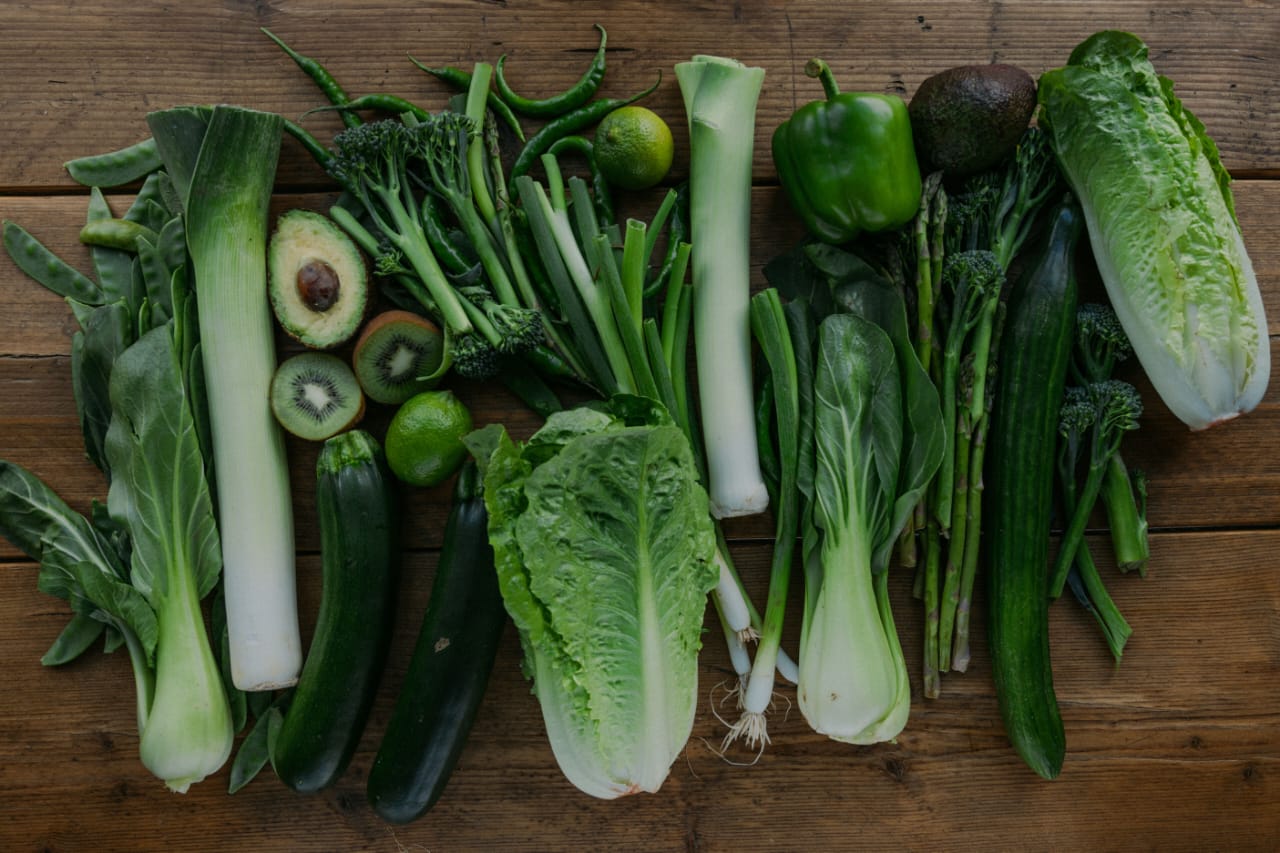
Green vegetables are among the healthiest foods that can be included in a balanced diet. They are rich in essential vitamins, minerals, dietary fiber, and natural plant compounds that support normal body functions and help maintain overall health. From leafy vegetables to green cruciferous crops, these foods provide valuable nutrients while being naturally low in calories and fat.
Regular consumption of green vegetables has been associated with improved diet quality and a lower risk of nutrient deficiencies. Health authorities around the world recommend eating a variety of vegetables every day because no single vegetable provides all the nutrients the body requires.
Whether grown in home gardens or purchased from local markets, green vegetables are affordable, versatile, and can be prepared in many different ways, making them an important part of healthy eating.
What Are Green Vegetables?
Green vegetables include a wide range of edible plants whose leaves, stems, flowers, or immature fruits are green in colour. They can be broadly grouped into leafy vegetables and non-leafy vegetables.
Leafy vegetables include spinach, kale, amaranth, pumpkin leaves, and other local leafy greens, while vegetables such as broccoli, cabbage, green beans, and peas also contribute important nutrients to the diet.
Each type of green vegetable has its own nutritional strengths, which is why eating a variety of them provides the greatest health benefits.
Nutritional Composition of Green Vegetables
Green vegetables are excellent sources of many essential nutrients needed for normal growth and good health.
They provide vitamin A, which supports healthy vision and immune function; vitamin C, which contributes to immune health and collagen production; and vitamin K, which plays an important role in normal blood clotting and bone health. Many green vegetables are also rich in folate, a vitamin required for cell growth and the formation of healthy red blood cells.
In addition, they supply important minerals including iron, calcium, magnesium, and potassium. These vegetables are also good sources of dietary fibre, which supports digestive health, and contain numerous antioxidants such as carotenoids, flavonoids, and chlorophyll that help protect body cells from oxidative stress.
Their combination of nutrients makes green vegetables some of the most nutrient-dense foods available.
Supports a Strong Immune System
A healthy immune system depends on adequate nutrition.
Green vegetables supply vitamins A and C, together with a variety of antioxidants that contribute to the normal functioning of the immune system. These nutrients help maintain healthy tissues that serve as protective barriers and support the activity of immune cells.
Including green vegetables regularly alongside fruits, whole grains, and protein-rich foods helps strengthen overall dietary quality and supports the body’s natural defence systems.
Promotes Healthy Digestion
Most green vegetables are naturally rich in dietary fibre.
Fibre promotes regular bowel movements, supports beneficial bacteria in the digestive tract, and helps maintain a healthy digestive system. It also slows digestion, contributing to longer-lasting feelings of fullness after meals.
A diet containing adequate fibre from vegetables, fruits, legumes, and whole grains supports good digestive health throughout life.
Helps Maintain Healthy Bones
Several nutrients found in green vegetables contribute to bone health.
Vitamin K supports normal bone metabolism, while calcium and magnesium help maintain strong bones and teeth. Although dairy products remain important sources of calcium, many leafy green vegetables also contribute to daily calcium intake.
Eating green vegetables as part of a balanced diet, together with regular physical activity, supports healthy bones at every stage of life.
Supports Heart Health
Green vegetables contribute to cardiovascular health through several different nutrients.
Potassium helps maintain normal blood pressure by balancing sodium levels in the body, while dietary fibre supports healthy eating patterns that benefit heart health. Many green vegetables are also naturally low in saturated fat and contain antioxidants that help protect cells from oxidative stress.
Combining green vegetables with other heart-healthy foods such as whole grains, legumes, nuts, fish, and fruits promotes overall cardiovascular well-being.
Contributes to Healthy Vision
Many green vegetables contain beta-carotene, which the body converts into vitamin A.
Vitamin A is essential for maintaining normal vision, particularly in low-light conditions, and supports the health of the surface of the eyes. Leafy vegetables also contain lutein and zeaxanthin, two plant pigments that accumulate in the retina and contribute to normal eye health.
Regular consumption of a variety of colourful vegetables helps support healthy vision over time.
Helps with Weight Management
Green vegetables are naturally low in calories while being rich in water and dietary fibre.
This combination makes them filling without providing excessive energy, making them an excellent choice for people seeking to maintain a healthy body weight. Replacing highly processed foods with generous servings of vegetables can improve overall diet quality and help support healthy eating habits.
However, maintaining a healthy weight depends on overall dietary patterns, physical activity, and lifestyle rather than any single food.
Protects Cells Through Antioxidants
Green vegetables contain numerous antioxidants that help protect the body’s cells from oxidative stress.
These compounds include vitamin C, vitamin E, carotenoids, flavonoids, and chlorophyll, all of which help neutralise free radicals produced during normal metabolism and exposure to environmental factors.
A diet rich in antioxidant-containing foods contributes to long-term health by supporting the body’s natural protective systems.
Eating a wide variety of colourful fruits and vegetables provides the broadest range of these beneficial compounds.
Nutritious Green Vegetables to Include in Your Diet
Many green vegetables can contribute valuable nutrients to your daily meals.
Some excellent choices include:
- Spinach
- Kale
- Broccoli
- Cabbage
- Amaranth leaves
- Pumpkin leaves
- Green beans
- Peas
- Swiss chard
- Other locally available leafy green vegetables
Including different vegetables throughout the week provides a wider range of vitamins, minerals, and beneficial plant compounds than relying on just one type.
Tips for Including More Green Vegetables in Your Daily Meals
Adding more green vegetables to your diet does not require major changes.
Fresh vegetables can be included in soups, stews, salads, stir-fries, omelettes, smoothies, and grain-based dishes. Light cooking methods such as steaming or quick stir-frying help preserve flavour and many nutrients while maintaining an appealing texture.
Whenever possible, combine green vegetables with other colourful vegetables, fruits, lean proteins, legumes, and whole grains to create balanced, nutritious meals.
Making vegetables a regular part of breakfast, lunch, and dinner is one of the simplest ways to improve overall diet quality.
Conclusion
Green vegetables are among the most nutritious foods available, providing vitamins A, C, and K, folate, iron, calcium, magnesium, potassium, dietary fibre, and a wide variety of antioxidants. These nutrients support immune function, digestive health, strong bones, heart health, healthy vision, weight management, and the protection of body cells from oxidative stress.
No single vegetable provides every nutrient the body needs, which is why eating a wide variety of green vegetables is recommended. Including spinach, kale, broccoli, cabbage, amaranth, pumpkin leaves, and other locally available leafy greens as part of a balanced diet can significantly improve nutritional intake and support long-term health.
Making green vegetables a regular feature of daily meals is a simple, affordable, and effective way to promote overall health and well-being for individuals and families alike.
📩 Subscribe to Agronela Insights for expert content on Aquaculture, Crop Production, Livestock & Poultry, Food Nutrition & Health, and Agribusiness.
🌱 Informing, inspiring, and empowering the agricultural community.