







The Nutritional Value of Ginger: 10 Health Benefits and Essential Nutrients
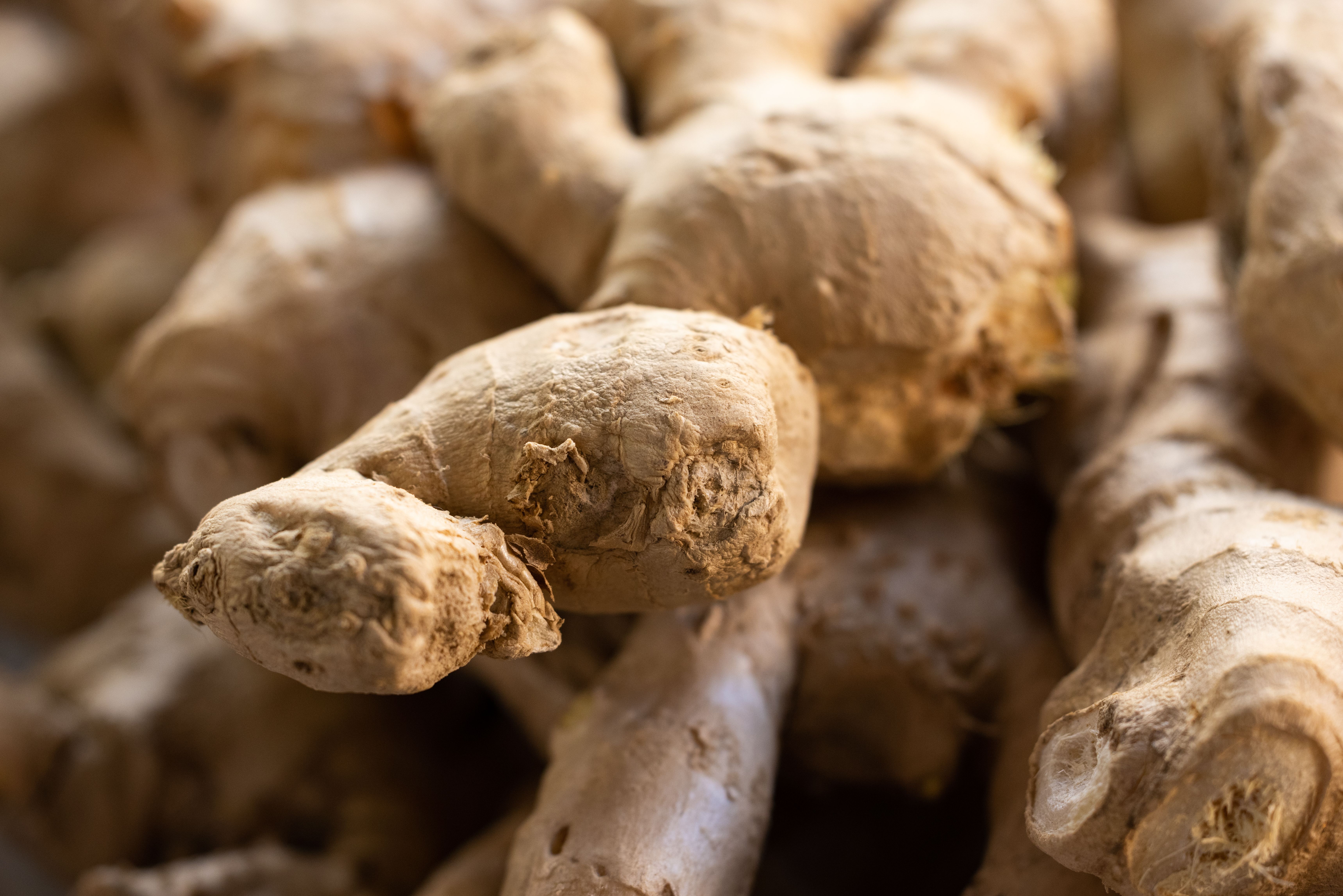
Ginger is a popular spice used in cooking and traditional food preparation around the world. Its distinctive flavour and aroma make it a common ingredient in tea, sauces, soups, marinades, and many other dishes. Beyond its culinary uses, ginger contains several nutrients and natural plant compounds that can contribute to a healthy diet.
Although ginger is normally eaten in relatively small amounts, it contains compounds such as gingerols that have been studied for their antioxidant and other biological effects. It also provides small amounts of vitamins and minerals.
Ginger should not be viewed as a cure for disease. Instead, it can be included as part of a varied and balanced diet that provides the body with different nutrients and beneficial plant compounds.
No.1 Contains Beneficial Plant Compounds
One of the most important features of ginger is its natural plant compounds.
Fresh ginger contains gingerols, which contribute to its characteristic taste and have antioxidant properties. Antioxidants help protect the body’s cells from damage caused by unstable molecules produced during normal body processes.
Including ginger alongside a variety of fruits, vegetables, herbs, and spices can increase the range of beneficial plant compounds in the diet.
No.2 Provides Vitamin C
Ginger contains vitamin C, although the amount obtained from a normal serving is relatively small.
Vitamin C supports the immune system, helps the body produce collagen, and assists with the absorption of iron from plant foods. It also acts as an antioxidant.
Because ginger is generally consumed in small quantities, it should not be considered a major source of vitamin C. Fruits and vegetables such as oranges, guavas, peppers, and leafy greens provide much larger amounts.
No.3 Provides Vitamin B6
Ginger contains small amounts of vitamin B6, an important nutrient involved in several processes in the body.
Vitamin B6 helps the body use proteins and carbohydrates and supports normal brain and nervous system function. It also contributes to the production of red blood cells.
Ginger can contribute to daily vitamin B6 intake, although a balanced diet should provide the majority of this nutrient.
No.4 Contains Potassium
Potassium is a mineral needed for normal muscle and nerve function. It also contributes to maintaining normal fluid balance in the body.
Ginger contains potassium, but because it is normally eaten in small amounts, it is not a major source compared with foods such as bananas, potatoes, beans, avocados, and leafy vegetables.
Nevertheless, using different nutrient-rich foods together helps ensure adequate potassium intake.
No.5 Provides Magnesium and Manganese
Ginger contains minerals such as magnesium and manganese.
Magnesium contributes to normal muscle and nerve function and is involved in many processes that help the body produce and use energy.
Manganese helps the body process nutrients and contributes to protecting cells from oxidative damage.
While ginger alone cannot provide all the minerals the body needs, including a variety of whole foods in the diet helps meet these nutritional requirements.
No.6 Supports Healthy Digestion
Ginger has traditionally been used as part of meals and drinks to support digestion.
Research has investigated ginger’s effects on digestive processes and nausea, and some evidence suggests that ginger may help with certain types of nausea. However, the effects can vary depending on the cause and the individual.
Ginger can therefore be a useful addition to meals, but persistent digestive problems should not be managed with ginger alone. People experiencing ongoing or severe symptoms should seek appropriate medical advice.
No.7 May Help With Nausea
One of the better-studied uses of ginger is its potential role in reducing some forms of nausea.
Studies have investigated ginger for nausea associated with situations such as pregnancy and certain medical treatments. Evidence suggests it may provide relief for some people, although the appropriate amount and safety can depend on the situation.
Anyone who is pregnant, taking medication, or dealing with persistent nausea should seek professional advice before using large amounts of ginger or ginger supplements.
No.8 Provides Antioxidant Support
Ginger contains several natural compounds with antioxidant activity.
Oxidative damage occurs naturally in the body, and the body has its own systems for dealing with it. Foods containing antioxidants can complement these natural protective systems.
Eating ginger together with a wide variety of vegetables, fruits, legumes, nuts, and whole grains provides a broader range of protective plant compounds than relying on one food alone.
No.9 May Support a Healthy Inflammatory Response
Some of the compounds found in ginger have been studied for their effects on processes involved in inflammation.
This does not mean that eating ginger can cure inflammatory diseases or replace medical treatment. Rather, ginger contains natural compounds that may contribute to the body’s normal response to inflammation.
A healthy eating pattern, regular physical activity, adequate sleep, and other lifestyle factors are much more important for long-term health than relying on a single food.
No.10 Adds Flavour Without Excess Calories
Ginger can make meals more enjoyable without requiring large amounts of sugar, salt, or unhealthy fats.
Fresh ginger can be added to vegetables, fish, soups, stews, sauces, marinades, and beverages. This makes it a useful ingredient for people who want to add flavour while maintaining a balanced diet.
Using herbs and spices such as ginger can also make healthy foods more appealing and encourage greater variety in everyday meals.
Essential Nutrients Found in Ginger
Ginger contains several nutrients, including:
- Vitamin C and vitamin B6.
- Minerals such as potassium, magnesium, and manganese.
- Small amounts of dietary fibre.
- Natural plant compounds such as gingerols and other antioxidants.
The exact nutritional value depends on whether ginger is fresh, dried, powdered, or processed. Dried ginger is more concentrated by weight because much of its water has been removed.
How to Include Ginger in Your Diet
Ginger is easy to add to everyday meals. Fresh ginger can be grated into sauces, soups, stews, vegetable dishes, and marinades. It can also be added to tea or blended into drinks.
Ground ginger can be used when preparing baked foods, porridge, sauces, or spice mixtures. Using moderate amounts is generally enough to provide its characteristic flavour without overpowering the meal.
Fresh and dried ginger can both be useful, although their flavour and nutrient concentration differ.
Important Precautions
Ginger is generally well tolerated when consumed as part of normal meals. However, large amounts may cause problems such as heartburn, stomach discomfort, or mouth irritation in some people.
People taking certain medicines, particularly medicines that affect blood clotting, should speak with a healthcare professional before regularly consuming large amounts of ginger or using concentrated ginger supplements.
It is also important to distinguish between using ginger as a food and taking concentrated supplements. Supplements can provide much larger amounts than would normally be consumed through meals.
Conclusion
Ginger is more than a flavouring ingredient. It provides small amounts of important nutrients such as vitamin C, vitamin B6, potassium, magnesium, and manganese, while also containing natural plant compounds such as gingerols.
Research suggests that ginger may support areas such as digestion, nausea management, antioxidant protection, and the body’s normal inflammatory response. However, these potential benefits should not be exaggerated, and ginger should not be presented as a cure or replacement for medical treatment.
The best approach is to enjoy ginger as part of a varied, balanced diet that includes plenty of fruits, vegetables, whole grains, legumes, nuts, quality protein sources, and healthy fats. Used this way, ginger can add both flavour and nutritional value to everyday meals.