




Fish is an important food and source of income in Uganda. It is consumed by households across the country and is sold through markets, restaurants, hotels, traders, processors, and other businesses.
As demand for fish continues to grow, aquaculture is becoming increasingly important alongside capture fisheries. This creates opportunities not only for people who want to farm fish, but also for businesses involved in fish feeds, fingerlings, transportation, processing, storage, marketing, and other services.
Understanding how the fish market works is therefore just as important as knowing how to produce fish.
Overview of Uganda’s Fish Market
Uganda’s fish market is supplied by two main sources: capture fisheries and aquaculture.
Capture fisheries provide fish harvested from the country’s lakes and other natural water bodies, while aquaculture supplies fish raised in ponds, cages, tanks, and other farming systems.
Uganda has a large freshwater resource base, including major lakes such as Lake Victoria, Lake Kyoga, Lake Albert, Lake Edward, and Lake George. Fish from these systems has traditionally supplied much of the domestic market.
Aquaculture provides another way of producing fish closer to consumers and markets. This is becoming increasingly important as demand for aquatic foods rises and the supply from natural fisheries faces pressure.
Uganda is also among Africa’s leading aquatic animal producers. FAO reported that Uganda was one of the continent’s top five producers in 2024, while aquaculture across Africa continues to expand rapidly.
Who Buys Fish in Uganda?
Fish moves through many different markets before reaching the final consumer.
Households are an important source of demand, with fish purchased fresh, frozen, smoked, dried, or prepared as part of meals. Restaurants, hotels, schools, food businesses, supermarkets, and institutions also create demand for fish.
Traders and aggregators are important because they collect fish from farmers and fishing communities and move it to larger markets. Processors also create demand by purchasing fish for smoking, drying, freezing, filleting, and other forms of value addition.
This means that a fish farmer does not necessarily need to sell directly to individual consumers. There are several possible buyers within the market chain.
Nile Tilapia and African Catfish
For aquaculture, Nile tilapia and African catfish are particularly important species.
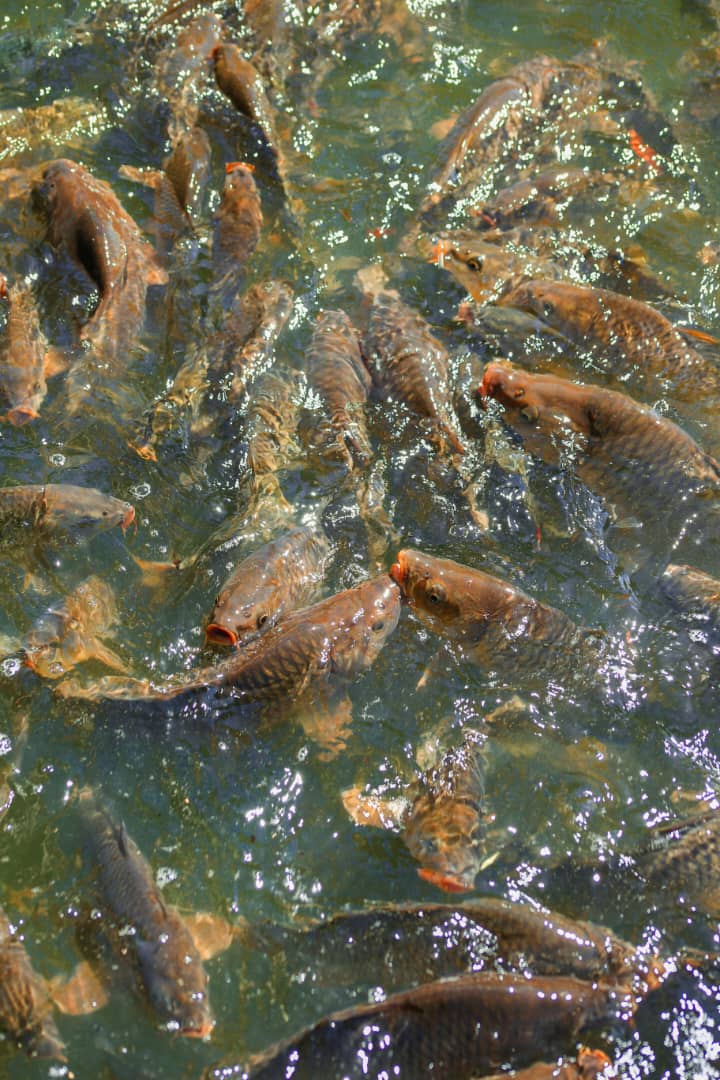
Nile tilapia has strong consumer acceptance and is widely produced in ponds and cages. It can be sold fresh or processed depending on the target market.
African catfish is also popular among farmers because it grows well under suitable management and can tolerate a range of farming conditions. It is particularly important in pond farming.
The best species for a farmer ultimately depends on production conditions, availability of quality fingerlings, feed costs, farming system, consumer preferences, and the market available to the farmer.
How Fish Moves From Farmer to Consumer
The journey from a fish farm to the consumer can involve several businesses.
A simplified market chain may look like:
Farmer → Trader → Processor or market → Retailer → Consumer
However, not every fish follows exactly the same route.
Some farmers sell directly to consumers at the farm. Others sell to traders who collect larger quantities and transport them to urban markets. Large buyers may purchase fish in bulk for restaurants, hotels, processors, or other businesses.
The more steps involved, the more costs can be added through transportation, handling, storage, processing, and marketing.
This is why farmers need to understand not only the price offered to them, but also where their fish eventually goes and what customers are willing to pay for different forms and sizes of fish.
Understanding Fish Prices
Fish prices are not fixed throughout the country.
They can change according to species, fish size, location, season, supply, demand, transportation costs, processing, and the condition of the fish.
For example, official Ugandan statistics show that in 2024 the average consumer price of fresh tilapia was about UGX 14,500 per kilogram, while smoked tilapia averaged about UGX 33,900 per kilogram. At the landing site, the average tilapia price was about UGX 10,000 per kilogram, compared with about UGX 14,500 per kilogram at the market.
These figures should not be interpreted as a guaranteed farm-gate price. Actual prices received by farmers can be higher or lower depending on location, fish size, buyer, quantity, quality, and market conditions.
The difference between locations is also important. Fish produced in areas with abundant supply may sell for less than the same type of fish in areas where demand is stronger.
For farmers, this means that knowing the market before harvesting can be just as important as producing the fish.
Where Are the Opportunities?
Aquaculture creates opportunities beyond simply raising fish.
Farmers can earn from fish production, while other businesses can provide the inputs and services that farmers need. Opportunities exist in the production and distribution of quality fingerlings, manufacture and sale of fish feeds, pond construction, cage equipment, water-quality services, transportation, cold storage, processing, packaging, marketing, and fish trading.
Value addition is another important opportunity. Instead of selling all fish fresh, businesses can process, package, chill, freeze, smoke, or otherwise prepare fish according to customer preferences.
The Ugandan government itself identifies market-oriented fish production and value addition as important areas for the development of the aquaculture sector.
Challenges Facing the Market
Despite its opportunities, the aquaculture market faces several challenges.
Feed is one of the major costs of fish farming, and poor-quality or expensive feed can reduce profitability. Farmers may also struggle to obtain healthy, quality fingerlings at the right time.
Fish health problems, poor water management, inadequate technical knowledge, and unreliable production can affect the amount and quality of fish reaching the market.
Marketing can also be difficult when farmers produce small quantities or live far from reliable roads and buyers. Research on Uganda’s aquaculture market has found that farmers who can provide consistent quantities of good-quality fish and have better access to markets and roads generally have more marketing opportunities.
Post-harvest handling is another concern. Fish is highly perishable, so poor handling, inadequate cooling, and delays in transportation can quickly reduce quality and market value.
How Farmers Can Access Better Markets
Farmers should think about the market before stocking the pond or cage.
Start by finding out which species and sizes are demanded in the target market. Talk to traders, restaurants, hotels, processors, and other potential buyers rather than waiting until harvest to search for customers.
Farmers should also plan production so that they can supply reasonable quantities consistently. A buyer who needs fish regularly may prefer working with a reliable farmer rather than someone who only has fish available occasionally.
Quality also matters. Healthy fish of uniform size, handled carefully after harvest, are easier to market and can attract better buyers.
Keeping production and sales records is equally important. Farmers should know how much they spend on fingerlings, feed, labour, transport, harvesting, and other costs. This makes it possible to calculate whether the price offered by a buyer is actually profitable.
The Opportunity Is Bigger Than Fish Production
The growth of aquaculture creates a market for many businesses around the farmer.
A farmer needs fingerlings, feed, equipment, technical advice, transport, harvesting services, and access to buyers. Once fish are harvested, there are further opportunities in processing, cold storage, packaging, distribution, restaurants, and retail.
This means that someone does not necessarily need to own a fish farm to participate in the aquaculture economy.
The wider aquaculture value chain can create opportunities for young entrepreneurs, farmers, traders, processors, investors, researchers, and service providers.
Conclusion
Uganda’s aquaculture market is more than a place where farmers sell fish. It is a growing value chain connecting producers with feed suppliers, hatcheries, traders, processors, transporters, retailers, restaurants, and consumers.
Nile tilapia and African catfish remain important species for farming, while demand from households and businesses creates opportunities for reliable producers and other players in the value chain.
For farmers, profitability depends not only on producing more fish but also on producing the right fish, in the right quantity, at the right quality, for the right market.
Understanding demand, monitoring prices, planning production, maintaining quality, reducing post-harvest losses, and building reliable relationships with buyers can help farmers move from simply producing fish to running a market-oriented aquaculture business.
As Uganda’s aquaculture sector develops, the greatest opportunities may not be limited to fish farming itself. They will also emerge across the wider chain that helps move fish from the farm to the consumer.