


Integrated Fish and Duck Farming: Essential Practices for Sustainable and Profitable Aquaculture
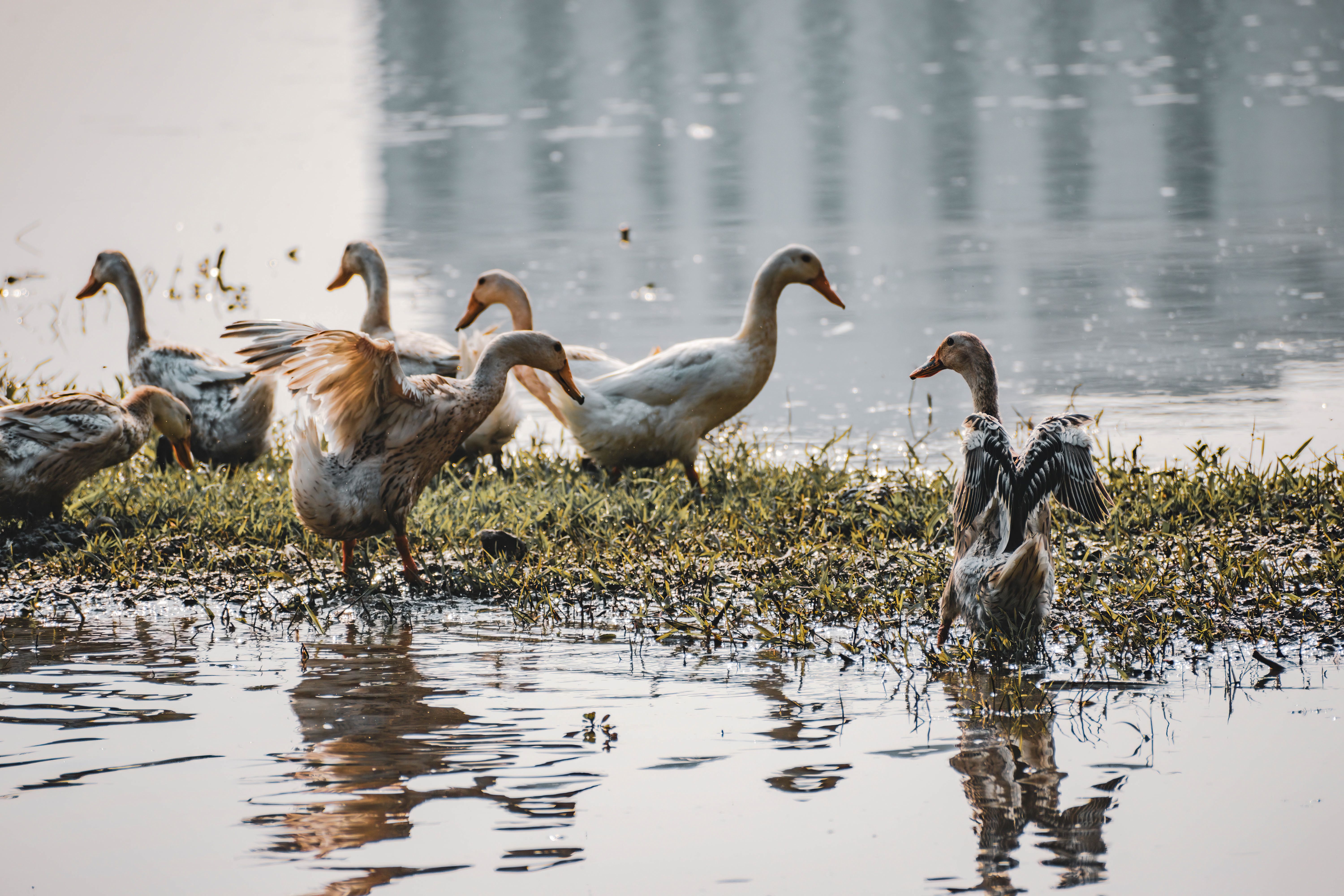
Fish farming can be more profitable when it is combined with other farming activities. One of the best examples is integrating fish farming with duck farming. In this system, ducks and fish are raised together so that each benefits the other. When managed properly, the system reduces production costs, makes better use of farm resources, and increases overall farm income.
Integrated fish and duck farming has been practiced successfully in many countries for decades. It is suitable for both small-scale and commercial farmers who have access to a fish pond and enough space to keep ducks. The system is especially attractive because it produces two valuable products fish and duck meat or eggs from the same piece of land.
Success depends on proper planning, good management, and maintaining healthy conditions for both the fish and the ducks.
What Is Integrated Fish and Duck Farming?
Integrated fish and duck farming is a production system where ducks are raised alongside fish in or around the same pond.
The ducks spend much of their time on the pond while the fish live in the water below. Instead of operating two separate enterprises, the farmer manages them as one system where the activities of the ducks help support fish production.
This approach makes better use of available land, water, and farm resources while reducing waste.
How the Integrated System Works
In a well-managed system, ducks are housed close to the pond and allowed to swim during the day.
As the ducks move around, they stir the water and help improve the movement of oxygen near the surface. Their droppings enter the pond naturally, where they act as an organic fertiliser. This encourages the growth of tiny plants and animals in the water, which serve as natural food for many fish species.
At the same time, ducks feed on insects, snails, weeds, and other organisms found around the pond, helping keep the area cleaner.
Although duck manure provides natural nutrients for the pond, fish should still receive balanced feeds to achieve good growth and high production.
Benefits of Integrating Ducks with Fish Farming
Farmers who manage the system well can enjoy several important benefits.
First, duck manure reduces the need for expensive pond fertilisers because it naturally adds nutrients to the water. This lowers production costs while encouraging the growth of natural fish food.
Second, one farm produces two sources of income. Farmers can sell fish while also earning money from duck eggs or meat.
The system also makes better use of land and water. Instead of building separate facilities for fish and ducks, both enterprises share the same area.
In addition, ducks help control some insects, snails, and weeds around the pond, reducing labour and improving the farming environment.
Choosing Suitable Ducks and Fish
The choice of breeds and fish species is important.
For ducks, farmers should select breeds that are healthy, active, and suitable for either egg or meat production, depending on their business goals.
For fish, species such as Nile tilapia and African catfish perform well because they grow quickly, adapt to pond conditions, and have strong market demand.
Healthy ducklings and quality fingerlings purchased from reliable suppliers provide the best foundation for a successful farming system.
Pond Design and Duck Housing
The fish pond should be well constructed and able to hold water throughout the production period. Strong pond banks help prevent erosion and make management easier.
Duck housing should be built close to the pond but slightly above ground level to keep it dry during rainy periods. The house should protect ducks from predators while providing good ventilation and enough space for resting.
A simple ramp or pathway allows ducks to move easily between the house and the pond.
Keeping both the pond and the duck house clean creates a healthier environment for the animals.
Feeding and Nutrition Management
Although ducks find some natural food around the pond, they still require balanced feed to grow well and produce eggs efficiently.
Fish should also receive quality feed that matches their size and stage of growth. Farmers should avoid overfeeding because uneaten feed settles at the bottom of the pond, where it reduces water quality.
Regular observation during feeding helps farmers know whether both ducks and fish are eating normally and allows feeding rates to be adjusted when necessary.
Good nutrition improves growth, productivity, and overall farm profitability.
Water Quality Management
Clean water is essential for both fish and ducks.
While duck manure benefits the pond in moderate amounts, excessive waste can reduce water quality if too many ducks are kept on a small pond. Farmers should avoid overcrowding and monitor the pond regularly.
Fish that swim slowly, refuse feed, or gasp at the water surface may be showing signs that water quality needs attention.
Maintaining the right number of ducks, avoiding overfeeding, and replacing part of the pond water when necessary help keep the water healthy.
Healthy water supports faster fish growth and reduces disease problems.
Biosecurity and Disease Prevention
Good hygiene is essential in any integrated farming system.
Duck houses should be cleaned regularly, and sick ducks should be separated from healthy birds as soon as possible. Farmers should also inspect fish every day for unusual behaviour or signs of disease.
New ducks or fingerlings should not be introduced directly into the system without checking their health.
Regular cleaning of equipment, restricting unnecessary visitors, and following recommended vaccination programmes for ducks help reduce the risk of disease outbreaks.
Prevention is always more effective and less costly than treatment.
Challenges and How to Overcome Them
Like any farming system, integrated fish and duck farming has its challenges.
Poor management can lead to water pollution, disease outbreaks, or slow fish growth if too many ducks are kept on the pond. Predators, poor-quality feed, and poor market planning can also reduce profits.
These challenges can be overcome through proper stocking rates, regular monitoring of pond conditions, balanced feeding, good sanitation, and seeking advice from fisheries or livestock extension officers whenever problems arise.
Careful management is the key to making the system successful.
Economic and Environmental Benefits
Integrated fish and duck farming makes better use of available farm resources while reducing waste.
The system lowers fertiliser costs, increases farm income through multiple products, and improves the efficient use of land and water. Recycling nutrients within the farm also reduces environmental pollution compared to systems where waste is discarded.
For smallholder farmers, this approach can improve food security by providing fish, eggs, and meat for household consumption while generating additional income from sales.
When managed well, integrated farming supports both environmental sustainability and long-term farm profitability.
Conclusion
Integrated fish and duck farming is an excellent way to increase farm productivity while making efficient use of land, water, and other farm resources. By raising ducks and fish together, farmers can reduce production costs, improve nutrient recycling, and earn income from more than one enterprise.
Success depends on selecting healthy ducks and fish, providing proper housing and balanced nutrition, maintaining good water quality, preventing diseases, and managing the system carefully throughout the production cycle.
With good planning and regular management, integrated fish and duck farming can become a sustainable and profitable farming practice that benefits both farmers and the environment.
📩 Subscribe to Agronela Insights for expert content on Aquaculture, Crop Production, Livestock & Poultry, Food Nutrition & Health, and Agribusiness.
🌱 Informing, inspiring, and empowering the agricultural community.