






Parasites are among the most common health challenges affecting cattle production. They reduce growth rates, lower milk production, decrease fertility, and increase the risk of disease. If left uncontrolled, parasite infestations can lead to significant economic losses through poor animal performance, higher treatment costs, and in severe cases, death.
Cattle are affected by two main groups of parasites: internal parasites, which live inside the animal’s body, and external parasites, which live on the skin or hair. Effective parasite control requires a combination of good management practices, regular monitoring, and timely treatment.
By understanding how these parasites affect cattle and implementing preventive measures, farmers can maintain healthier herds and improve the productivity of their livestock.
Understanding Internal and External Parasites
Internal parasites include worms that live in the stomach, intestines, lungs, or liver of cattle. These parasites feed on nutrients consumed by the animal, reducing growth and weakening the immune system. Young calves are particularly vulnerable because their immune systems are still developing.
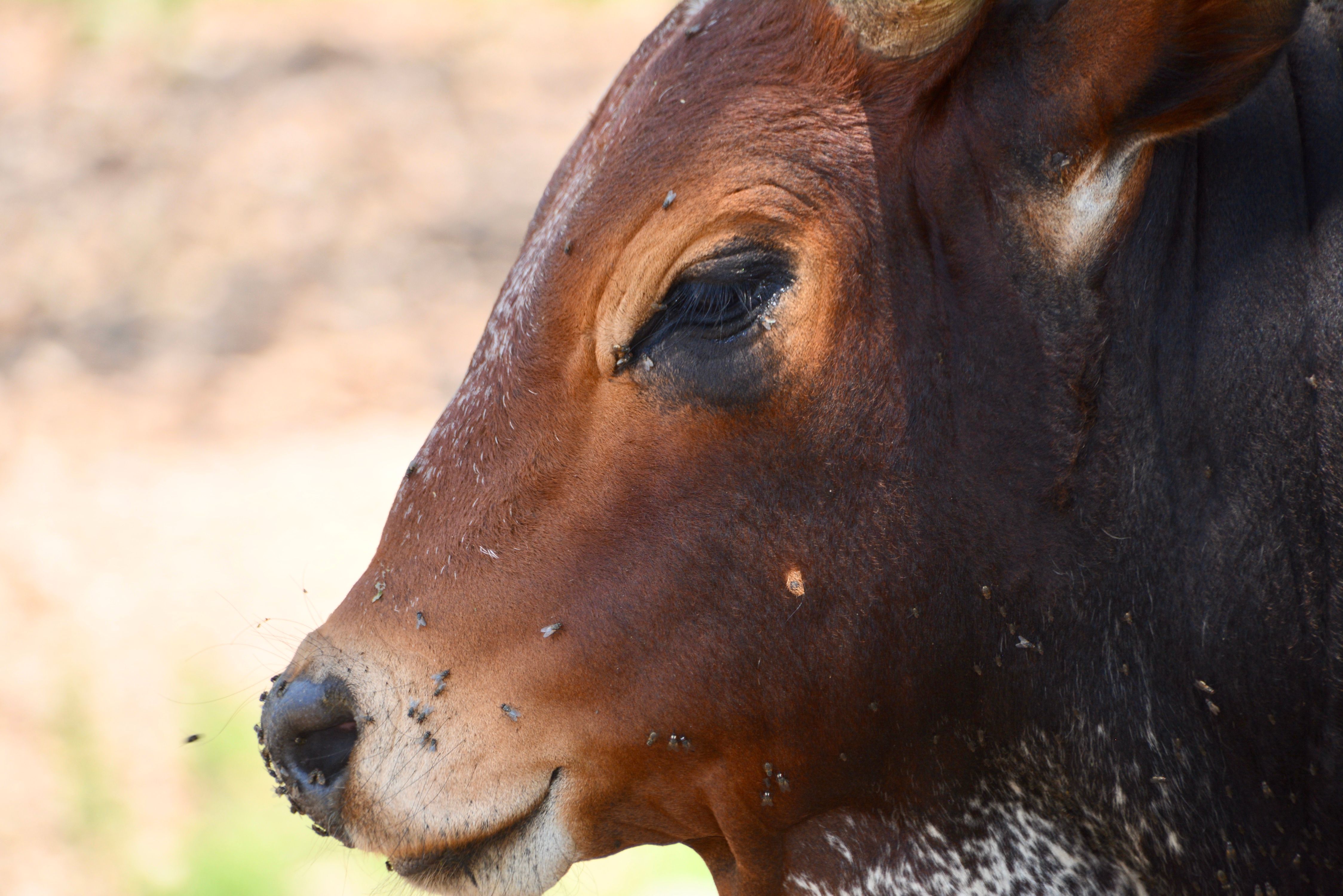
External parasites include ticks, lice, mites, and flies. These parasites feed on blood or skin tissues, causing irritation, stress, skin damage, and reduced productivity. Some external parasites also transmit serious diseases that can threaten the health of an entire herd.
Recognizing the difference between internal and external parasites helps farmers choose the most appropriate control methods.
Signs of Parasite Infestation
Early detection allows farmers to respond before parasites cause serious damage.
Cattle affected by internal parasites may lose weight despite eating normally, develop rough hair coats, experience diarrhea, become weak, or show reduced growth and milk production. Severe infestations can lead to anemia and poor body condition.
Animals with external parasites often scratch excessively, rub against trees or fences, lose patches of hair, develop skin wounds, or become restless. Heavy tick infestations may also result in blood loss and increase the risk of tick-borne diseases.
Regular observation of cattle makes it easier to identify these warning signs and take timely action.
Maintain Good Pasture Management
Pasture management is one of the most effective ways to reduce parasite burdens.
Allowing cattle to graze continuously on the same pasture encourages the build-up of parasite eggs and larvae. Rotational grazing helps break the life cycle of many internal parasites by giving pastures time to recover before animals return.
Keeping grazing areas free from excessive manure accumulation and avoiding overstocking also reduces the spread of parasites.
Healthy pastures contribute to healthier cattle and reduce the need for frequent treatments.
Use Dewormers Correctly
Deworming plays an important role in controlling internal parasites, but it should be done responsibly.
Farmers should use recommended deworming medicines at the correct dosage and according to veterinary advice. Treating animals too frequently or using the same product repeatedly may contribute to parasite resistance, making treatments less effective over time.
Strategic deworming based on the age of the animals, grazing conditions, and parasite risk is generally more effective than treating cattle without a clear plan.
Maintaining treatment records also helps farmers monitor parasite control programs and evaluate their effectiveness.
Control External Parasites
Effective control of external parasites requires regular monitoring and prompt intervention.
Ticks, lice, and other external parasites can be managed using approved acaricides and other recommended control methods. The choice of treatment should depend on the type of parasite present and should always follow the manufacturer’s instructions or veterinary recommendations.
In addition to treatment, farmers should keep cattle housing clean and regularly inspect animals for signs of infestation. Controlling parasites early helps reduce stress on the animals and prevents serious outbreaks.
Strengthen Overall Herd Health
Healthy cattle are generally better able to resist parasite infestations than animals that are poorly nourished or under stress.
Providing balanced nutrition, clean drinking water, proper housing, and routine veterinary care helps strengthen the immune system and improve the animals’ ability to cope with parasite challenges.
Reducing stress through good handling and maintaining appropriate stocking densities also supports overall herd health and productivity.
Parasite control should always be considered part of a broader herd health management program rather than a standalone activity.
Work with Animal Health Professionals
Parasite problems vary from one farm to another depending on climate, grazing systems, and management practices.
Veterinarians and animal health professionals can help farmers identify the parasites affecting their cattle and recommend the most appropriate prevention and treatment strategies. They can also advise on vaccination programs, disease control, and proper use of veterinary medicines.
Seeking professional guidance helps ensure treatments are effective while reducing the risk of unnecessary medication or incorrect dosing.
Conclusion
Internal and external parasites remain a major challenge in cattle production, but they can be controlled through good management and preventive practices. Regular observation, proper pasture management, strategic deworming, effective control of external parasites, and maintaining healthy animals all contribute to reducing parasite burdens.
Successful parasite control is not achieved through treatment alone. It requires consistent attention to animal health, hygiene, nutrition, and farm management throughout the year.
By adopting these best practices, cattle farmers can improve animal welfare, increase milk and meat production, reduce production losses, and build healthier, more productive herds.
📩 Subscribe to Agronela Insights and never miss expert agricultural insights, farming innovations, agribusiness opportunities, livestock management tips, crop production guides, and food nutrition updates.
Join our growing community today and stay ahead in the future of agriculture.
🌱 Learn. Innovate. Grow with Agronela Insights.