



The liver is one of the hardest-working organs in the human body. It performs hundreds of essential functions every day, including filtering harmful substances from the blood, processing nutrients, producing bile for digestion, storing vitamins and minerals, and helping regulate metabolism. Because of these vital roles, keeping the liver healthy is important for overall well-being.
Although the liver has an impressive ability to repair itself, it can still be affected by poor dietary habits, excessive alcohol consumption, obesity, and certain medical conditions. Fortunately, a balanced diet rich in nutrient-dense foods can help support normal liver function and protect liver cells from damage.
Certain foods contain antioxidants, healthy fats, vitamins, minerals, and fiber that contribute to liver health. While no single food can cleanse or “detoxify” the liver, eating a variety of nutritious foods can help the liver perform its natural functions more effectively.
Nutrients That Support Liver Health
A healthy liver depends on a balanced intake of essential nutrients. Antioxidants help protect liver cells from damage caused by free radicals, while dietary fiber supports healthy digestion and may help regulate blood sugar and cholesterol levels. Healthy fats contribute to overall metabolic health, and vitamins and minerals help the liver carry out its many important functions.
Rather than relying on supplements or so-called detox products, nutrition experts recommend obtaining these nutrients from whole foods as part of a varied and balanced diet.
No.1 Leafy Green Vegetables
Leafy vegetables such as spinach and kale are rich in vitamins, minerals, antioxidants, and dietary fiber. Including these vegetables regularly in meals supports overall health and provides nutrients that help protect body cells from oxidative stress.
They are also low in calories, making them an excellent choice for maintaining a healthy body weight, which is important for liver health.
No.2 Garlic
Garlic has long been valued for both its flavor and its nutritional properties.
It contains natural plant compounds and antioxidants that contribute to overall health. Adding garlic to meals is a simple way to enhance flavor while increasing the nutritional value of the diet.
When combined with other healthy foods, garlic can be part of an eating pattern that supports normal liver function.
No.3 Beetroot
Beetroot is a colorful root vegetable that provides fiber, vitamins, minerals, and natural antioxidants.
Its rich nutritional profile makes it a valuable addition to a balanced diet. Beetroot can be enjoyed cooked, roasted, or grated into salads, offering both flavor and nutritional benefits.
Regular consumption of vegetables such as beetroot contributes to overall health and supports the body’s natural functions.
No.4 Avocados
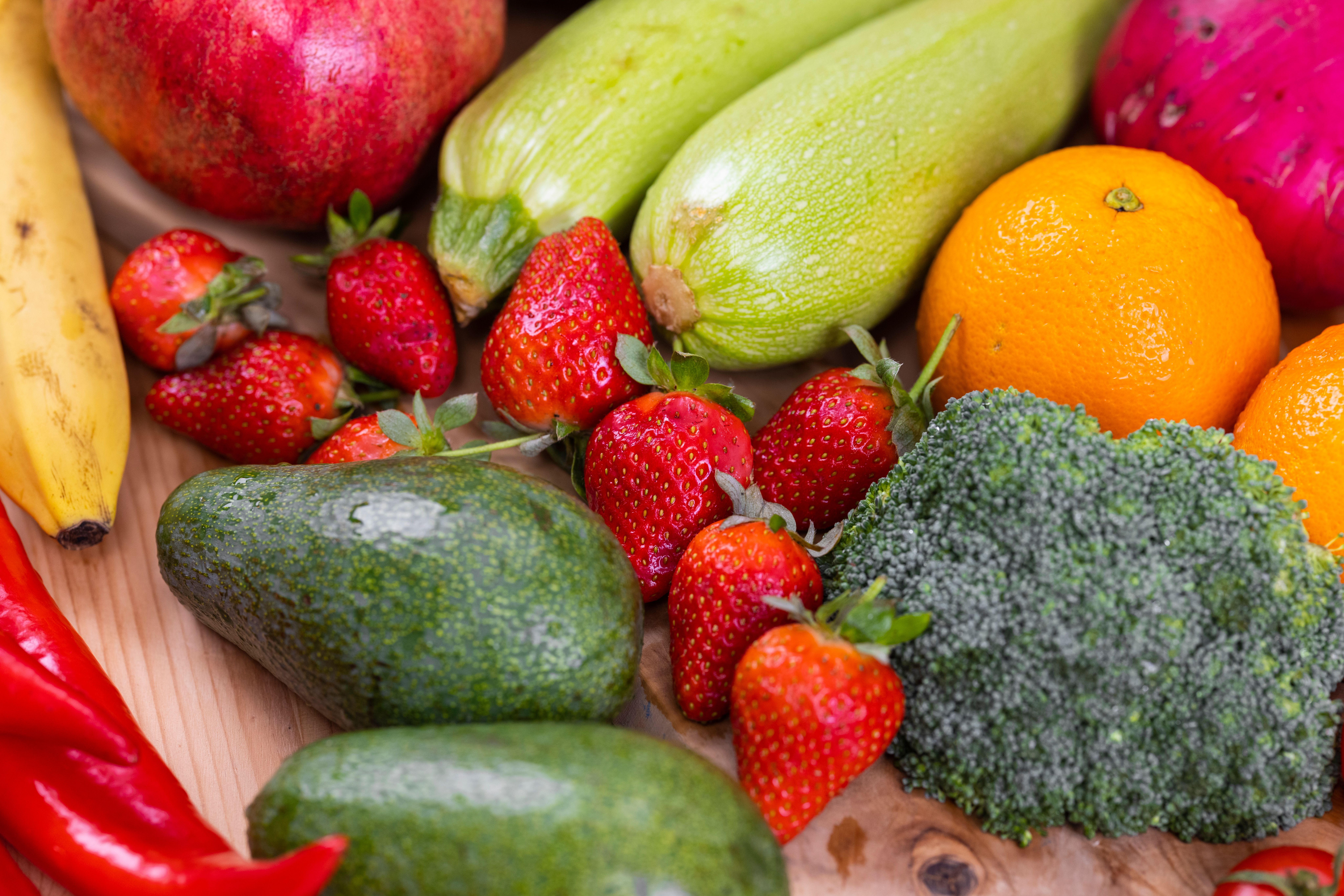
Avocados are rich in healthy unsaturated fats, dietary fiber, potassium, and several important vitamins.
Unlike foods high in unhealthy fats, avocados provide nutrients that support heart health and overall metabolic function. They are also satisfying and can easily be included in sandwiches, salads, or eaten on their own.
Their combination of healthy fats and antioxidants makes them an excellent addition to a liver-friendly diet.
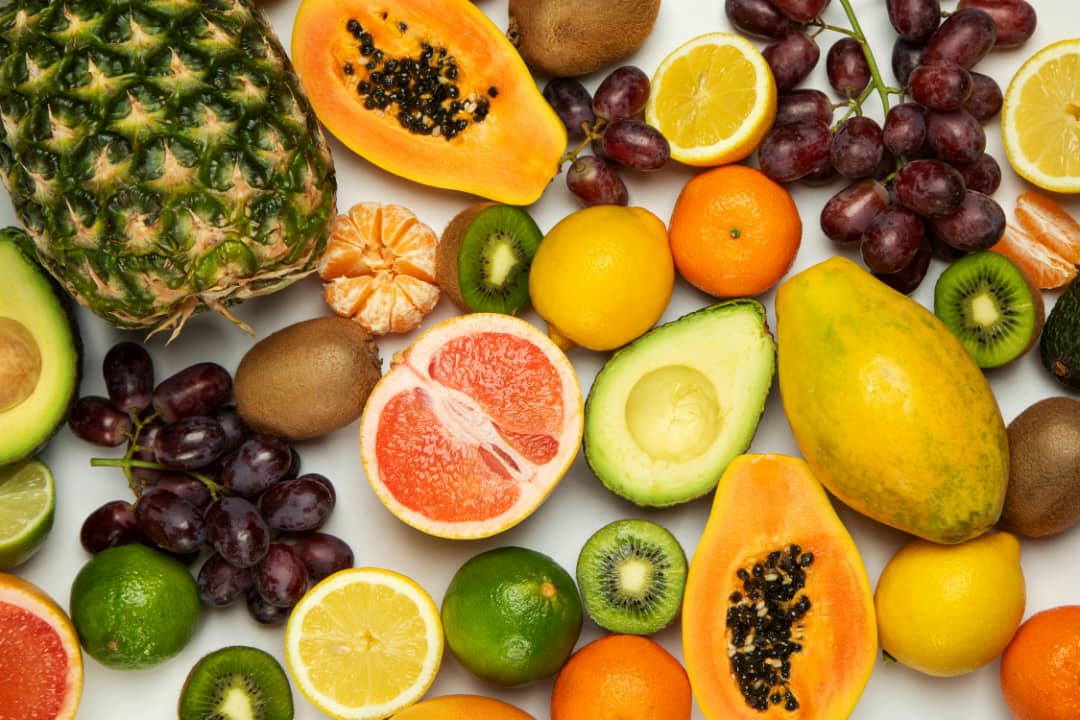
No.5 Citrus Fruits
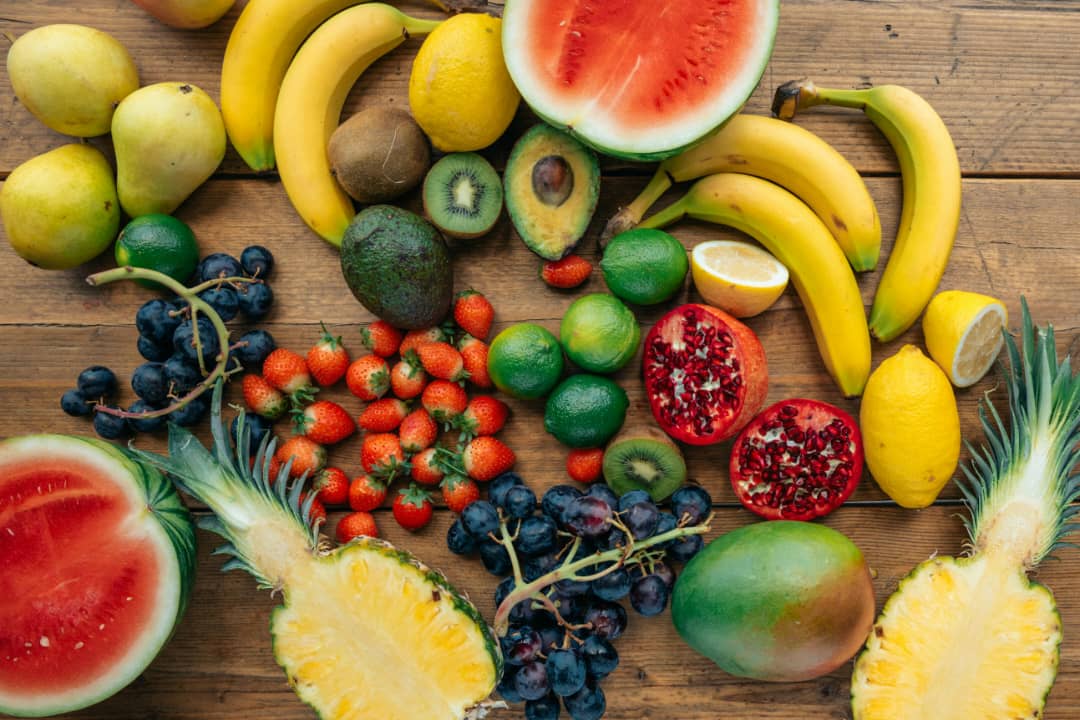
Oranges, lemons, and grapefruits are well known for their vitamin C content.
These fruits also provide antioxidants and plenty of water, helping to support hydration and overall health. Including citrus fruits in the diet adds valuable nutrients while encouraging greater fruit consumption.
Fresh fruits are generally a healthier choice than sugary drinks because they provide fiber and a wider range of nutrients.
No.6 Fatty Fish
Fatty fish such as salmon, sardines, and mackerel are excellent sources of high-quality protein and omega-3 fatty acids.
Omega-3 fats support heart health and contribute to normal body functions. Replacing some processed or fatty meats with fish can improve the overall nutritional quality of the diet.
Including fish in weekly meals provides important nutrients that support long-term health.
No.7 Walnuts
Walnuts are rich in healthy fats, plant protein, fiber, and antioxidants.
They make a nutritious snack and can also be added to salads, breakfast cereals, or yogurt. Because they are energy-dense, they are best enjoyed in moderate amounts as part of a balanced diet.
Their nutrient content supports overall wellness and complements other healthy foods.
No.8 Berries
Berries such as strawberries, blueberries, and blackberries contain vitamins, fiber, and powerful antioxidants.
Their natural sweetness makes them an excellent alternative to sugary desserts and processed snacks. Eating a variety of colorful fruits helps provide a broad range of beneficial plant compounds.
Including berries regularly contributes to a nutritious and balanced eating pattern.
No.9 Green Tea
Green tea contains natural antioxidant compounds that have been widely studied for their health benefits.
When consumed without excessive added sugar, green tea can be a refreshing beverage that complements a healthy lifestyle. It can be enjoyed alongside a balanced diet rich in fruits, vegetables, and whole grains.
Moderation is important, as excessive consumption of concentrated herbal supplements may not provide the same safety as drinking tea in normal amounts.
No.10 Olive Oil
Olive oil is a healthy source of unsaturated fats and is commonly used in nutritious eating patterns around the world.
Using olive oil instead of solid fats such as butter or margarine can help improve the overall quality of the diet. It works well in salads, vegetable dishes, and many home-cooked meals.
Combined with other healthy foods, olive oil supports balanced nutrition and overall health.
Foods and Drinks to Limit
Supporting liver health involves not only choosing nutritious foods but also limiting foods and drinks that may place unnecessary strain on the liver.
Highly processed foods, sugary beverages, excessive alcohol, and foods high in saturated fats should be consumed in moderation. These products often contribute excess calories while providing little nutritional value.
Maintaining a healthy body weight through balanced eating and regular physical activity is one of the most effective ways to support long-term liver health.
Practical Tips for a Healthy Liver
Healthy eating does not require expensive or complicated diets. Simple daily habits can make a significant difference over time.
Some practical habits include:
- Eat a variety of fruits and vegetables every day.
- Choose whole grains and lean protein sources.
- Drink plenty of clean water.
- Limit alcohol and sugary drinks.
- Exercise regularly and maintain a healthy body weight.
These habits support not only liver health but also overall physical well-being.
Conclusion
The liver performs countless essential functions that keep the body healthy, making it important to protect it through proper nutrition and healthy lifestyle choices. Foods such as leafy green vegetables, garlic, beetroot, avocados, citrus fruits, fatty fish, walnuts, berries, green tea, and olive oil provide valuable nutrients that support overall health and contribute to normal liver function.
While there is no single food that can cleanse or detoxify the liver, consistently eating a balanced diet rich in whole foods, staying physically active, drinking enough water, and limiting highly processed foods and excessive alcohol can help keep the liver functioning at its best for years to come.
📩 Subscribe to Agronela Insights for expert content on Aquaculture, Crop Production, Livestock & Poultry, Food Nutrition & Health, and Agribusiness.
🌱 Informing, inspiring, and empowering the agricultural community.