




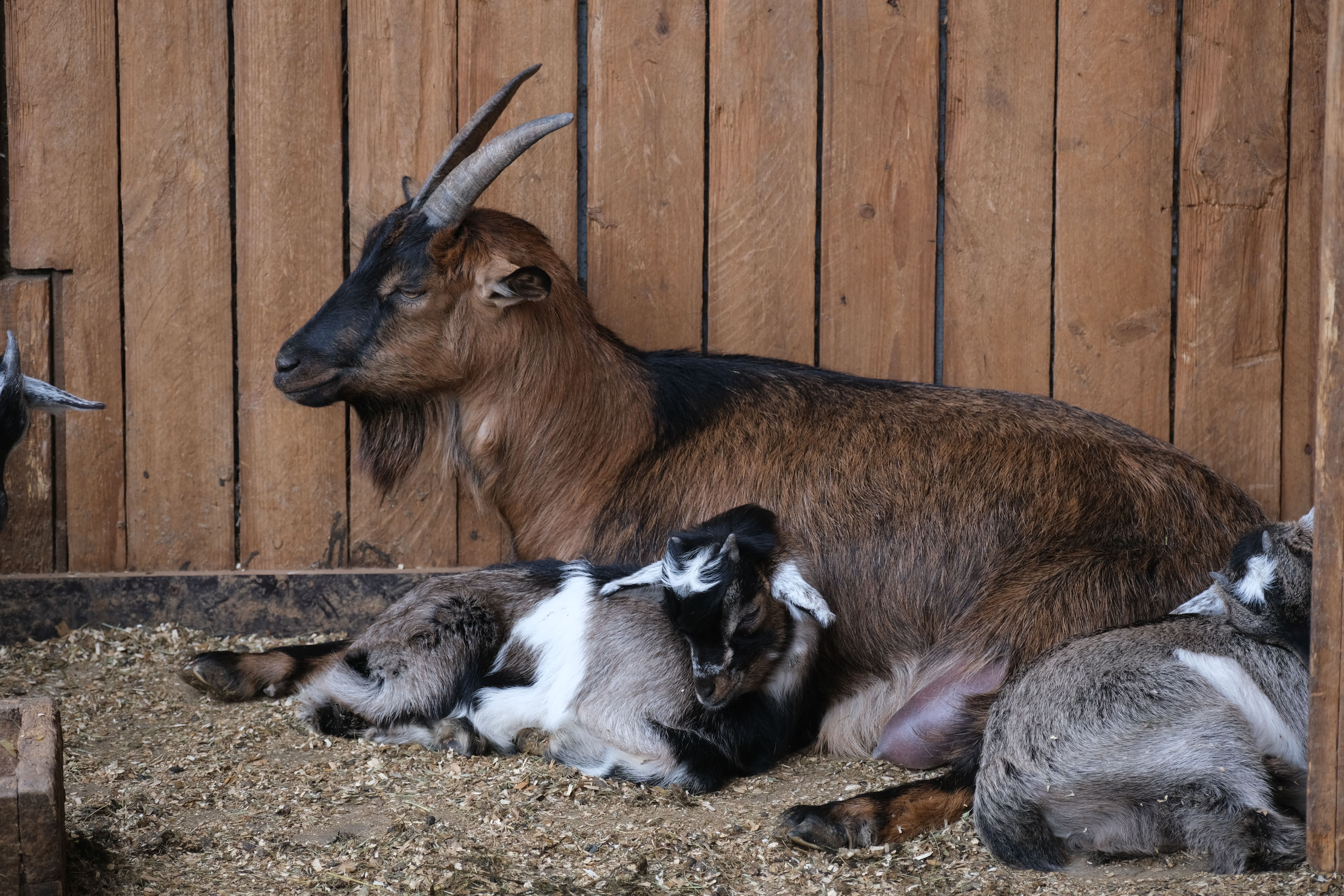
Goat farming is an important source of meat, milk, income, and livelihood for millions of farmers around the world. The success of any goat enterprise depends largely on the survival and healthy development of goat kids, as they represent the future breeding stock and productive animals of the herd.
The first few weeks of a kid’s life are especially critical. During this period, proper nutrition, good housing, disease prevention, and careful management greatly influence growth, survival, and future productivity. Even small management mistakes during the early stages can result in poor growth, illness, or increased mortality.
By following recommended management practices from birth to weaning, farmers can raise strong, healthy kids that develop into productive adult goats.
Why Proper Goat Kid Management Matters
Healthy goat kids are more likely to grow rapidly, resist diseases, and reach their full productive potential.
Good management during early life reduces mortality, improves weight gain, strengthens the immune system, and increases the chances of producing healthy breeding animals. It also lowers veterinary costs and contributes to a more profitable goat farming enterprise.
Investing time and care during the early stages of life provides long-term benefits for both the animals and the farmer.
Care Immediately After Birth
The first few hours after birth are extremely important.
Newborn kids should be allowed to breathe normally and should be dried as quickly as possible, especially during cold or wet weather. Drying helps prevent excessive heat loss and reduces the risk of illness.
The umbilical cord should be kept clean to reduce the chance of infection. Farmers should also observe the newborn carefully to ensure it is active, able to stand, and begins suckling soon after birth.
Early attention helps identify any problems before they become serious.
Colostrum Feeding and Its Importance
Colostrum is the first milk produced by the mother after giving birth, and it is one of the most important factors in the survival of newborn goat kids.
It contains antibodies that help protect young animals against diseases during the early stages of life, when their own immune systems are still developing. Colostrum also provides energy and essential nutrients needed for growth and survival.
Every kid should receive enough colostrum as soon as possible after birth. Delayed or insufficient colostrum intake can increase the risk of disease and reduce survival.
Ensuring successful colostrum feeding gives goat kids the strongest possible start.
Housing and Keeping Kids Warm
Goat kids require clean, dry, and well-ventilated housing.
The shelter should protect them from rain, cold winds, excessive heat, and predators while allowing fresh air to circulate. Damp housing encourages the growth of disease-causing organisms and increases the risk of respiratory problems.
Clean bedding should be replaced regularly to maintain hygiene and provide a comfortable resting area.
Providing a safe environment reduces stress and supports healthy growth throughout the rearing period.
Feeding from Birth to Weaning
Nutrition plays a central role in the healthy development of goat kids.
After receiving colostrum, kids should continue nursing from their mothers or receive an appropriate milk replacement when natural nursing is not possible. As they grow, they gradually begin eating small amounts of high-quality forage and suitable concentrate feeds.
Introducing solid feeds slowly encourages proper rumen development and prepares kids for successful weaning.
Consistent access to nutritious feed supports rapid growth and strong body development.
Provide Clean Water and Minerals
Although young kids obtain much of their nutrition from milk during the early weeks, they should also have access to clean drinking water as they begin consuming solid feeds.
Fresh water supports digestion, nutrient absorption, and overall health. Water containers should be cleaned regularly to prevent contamination.
Mineral supplements should also be provided where necessary to support healthy bone development, growth, and normal body functions. Balanced nutrition helps kids develop into strong and productive adult goats.
Vaccination, Deworming, and Disease Prevention
Preventing disease is more effective and less costly than treating sick animals.
Farmers should follow recommended vaccination and deworming programs based on local veterinary advice. Regular health checks allow early detection of illness before it spreads through the herd.
Maintaining good hygiene, cleaning feeding equipment, isolating sick animals, and avoiding overcrowding further reduce the risk of disease.
Healthy management practices create an environment where goat kids can grow with minimal health challenges.
Weaning and Monitoring Growth
Weaning should be carried out gradually once kids are consuming enough solid feed to meet their nutritional needs.
A sudden change from milk to solid feed can cause stress and temporarily reduce feed intake. Gradual weaning allows the digestive system to adjust more comfortably.
Farmers should continue monitoring body condition, appetite, and growth after weaning. Regular observation makes it easier to identify nutritional deficiencies or health problems before they affect performance.
Consistent monitoring helps ensure kids continue growing well after the weaning period.
Common Mistakes to Avoid
Many health problems in goat kids result from preventable management mistakes.
Some of the most common errors include:
- Delaying colostrum feeding after birth.
- Keeping kids in dirty or damp housing.
- Providing poor-quality feed or insufficient milk.
- Neglecting vaccination and deworming programs.
- Weaning kids before they are ready.
Avoiding these mistakes greatly improves survival rates and supports healthy growth.
Conclusion
Raising healthy goat kids requires careful attention from birth through weaning. Early colostrum feeding, clean housing, balanced nutrition, access to clean water, disease prevention, and regular monitoring all contribute to strong growth and improved survival.
Successful kid management is not based on one practice alone but on a combination of good nutrition, proper hygiene, preventive healthcare, and consistent observation. Farmers who invest in these essential management practices are more likely to produce healthy breeding stock, improve herd productivity, and build a profitable and sustainable goat farming enterprise.
Healthy goat kids today become the productive animals that determine the future success of the herd.

2 Comments
jumanne chagulla
July 23, 2026Bigup, i appriciate your tips on how to care goat kids,now ihave got knowledge on how to manage and care goat kids
thanks verry much
saadba
July 23, 2026Thank you so much for your kind words! We are delighted to hear that our article on caring for goat kids has helped you gain useful knowledge. We appreciate your support and encourage you to keep following Agronela Insights for more practical farming tips and advice. We wish you great success with your goats!