




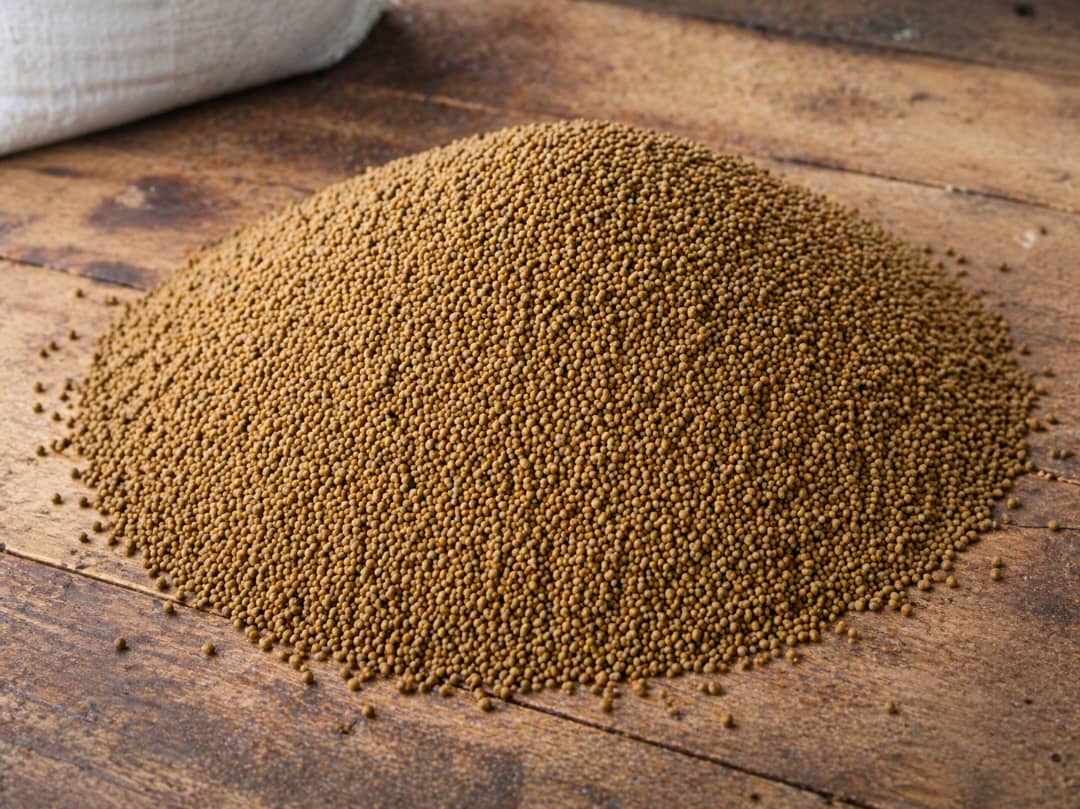
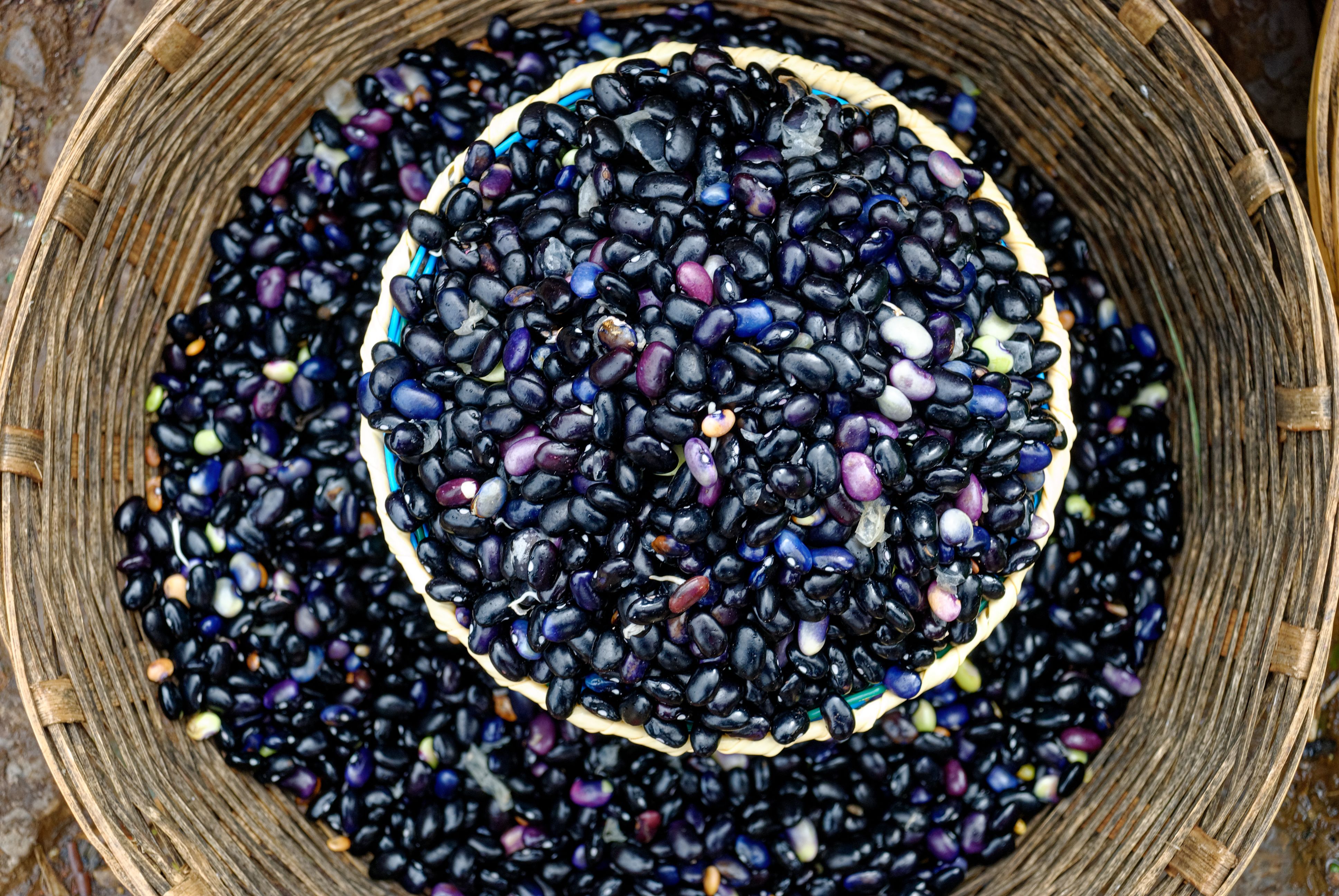
Beans are among the most important food and cash crops grown in many parts of the world. They are valued for their high nutritional content, relatively short growing period, and ability to improve soil fertility through nitrogen fixation. Beans are also an important source of income for many farmers due to their consistent demand in local and international markets.
Although beans are considered relatively easy to grow, achieving high yields requires proper planning before the first seed is planted. Many production challenges can be avoided by selecting the right variety, preparing the land properly, planting at the correct time, and adopting good crop management practices throughout the growing season.
Understanding these essential considerations helps farmers establish healthy crops, reduce production risks, and maximize their harvest.
Choose the Right Bean Variety
The first step toward successful bean production is selecting a variety that matches your farming objectives.
Different bean varieties differ in growth habit, maturity period, yield potential, seed size, and resistance to pests and diseases. Some varieties are better suited for fresh consumption, while others are preferred for dry grain production or processing.
Farmers should select varieties that perform well under local growing conditions and meet the preferences of their target market. Choosing the right variety from the beginning greatly increases the chances of achieving a productive harvest.
Understand Climate and Temperature Requirements
Beans grow best under moderate temperatures with adequate sunlight throughout the growing season.
The crop requires sufficient soil moisture during germination, flowering, and pod development. However, prolonged waterlogging can damage roots and increase the risk of diseases, while extended dry periods may reduce flowering and grain formation.
Understanding the local weather pattern helps farmers choose the most suitable planting period and reduces the risk of crop failure caused by unfavorable environmental conditions.
Prepare Fertile Soil
Beans perform best in fertile, well-drained soils that contain adequate organic matter.
Before planting, the field should be cleared of weeds and previous crop residues. The soil should then be cultivated to create a fine seedbed that allows seeds to germinate easily and roots to develop properly.
Soils with good structure allow water to drain efficiently while still retaining enough moisture to support healthy plant growth. Improving soil fertility before planting provides the crop with a strong foundation for vigorous development.
Select High-Quality Seeds
Seed quality has a direct influence on crop establishment and final yield.
Farmers should obtain certified seed from reputable suppliers whenever possible. Healthy seeds should be clean, mature, uniform in size, and free from insect damage, mould, or disease.
Using poor-quality seed often results in low germination, uneven crop growth, and increased vulnerability to diseases.
Investing in quality seed is one of the simplest ways to improve productivity.
Treat Seeds Before Planting
Treating bean seeds before planting helps protect young seedlings during the early stages of growth.
Depending on local recommendations, seed treatment may reduce damage from seed-borne diseases and certain soil pests that attack newly germinating plants. In areas where beneficial inoculants are recommended, they may also be applied to improve nitrogen fixation and support healthy crop development.
Using appropriate seed treatments contributes to stronger crop establishment and improved plant health.
Plant at the Right Time
Timing is one of the most important decisions in bean production.
Planting should coincide with favorable soil moisture and weather conditions that support rapid germination and healthy early growth. Delayed planting may expose the crop to drought, excessive rainfall, or increased pest pressure during sensitive growth stages.
Careful planning allows the crop to complete its development under the most suitable environmental conditions.
Use Proper Spacing and Planting Depth
Correct spacing allows each bean plant to receive enough sunlight, nutrients, water, and air for healthy growth.
Overcrowded plants compete for available resources, while excessively wide spacing may reduce overall productivity. Seeds should also be planted at an appropriate depth to encourage rapid emergence without making it difficult for seedlings to reach the soil surface.
Proper spacing and planting depth contribute to uniform crop establishment and efficient use of available land.
Manage Soil Fertility
Although beans can naturally fix nitrogen through a partnership with beneficial soil bacteria, they still require adequate amounts of other essential nutrients for healthy growth and grain production.
Well-decomposed organic manure improves soil structure, increases organic matter, and supports long-term soil fertility. Where necessary, balanced fertilizers can be applied according to soil conditions and local recommendations.
Healthy soils provide the nutrients needed for strong root development, vigorous growth, and improved yields.
Control Weeds, Pests, and Diseases
Weeds compete with bean plants for water, sunlight, nutrients, and space, particularly during the early stages of growth. Regular weeding helps reduce competition and allows the crop to develop properly.
Farmers should also inspect their fields frequently for signs of pests or diseases. Maintaining field hygiene, using healthy seed, practicing crop rotation, and removing infected plants promptly all contribute to healthier crops.
Early detection and timely management help prevent minor problems from becoming serious production losses.
Practice Crop Rotation
Growing beans repeatedly on the same piece of land can encourage the build-up of pests and diseases while gradually reducing soil health.
Crop rotation involves alternating beans with different crop species over successive growing seasons. This practice helps interrupt pest and disease life cycles, improves soil fertility, and promotes more sustainable farming systems.
When combined with other good agricultural practices, crop rotation contributes to healthier crops and more stable long-term production.
Conclusion
Successful bean farming begins long before planting. Careful variety selection, proper land preparation, quality seed, timely planting, good soil fertility management, and effective weed, pest, and disease control all play important roles in achieving high yields.
Farmers who prepare well before planting are better equipped to overcome production challenges and produce healthy, productive crops. By combining these essential practices with regular field monitoring and sound farm management, beans can become a reliable source of food, income, and improved soil health.
Careful planning is one of the most valuable investments a farmer can make, and it often determines the success of the entire growing season.
📩 Subscribe to Agronela Insights and never miss expert agricultural insights, farming innovations, agribusiness opportunities, livestock management tips, crop production guides, and food nutrition updates.
Join our growing community today and stay ahead in the future of agriculture.
🌱 Learn. Innovate. Grow with Agronela Insights.