







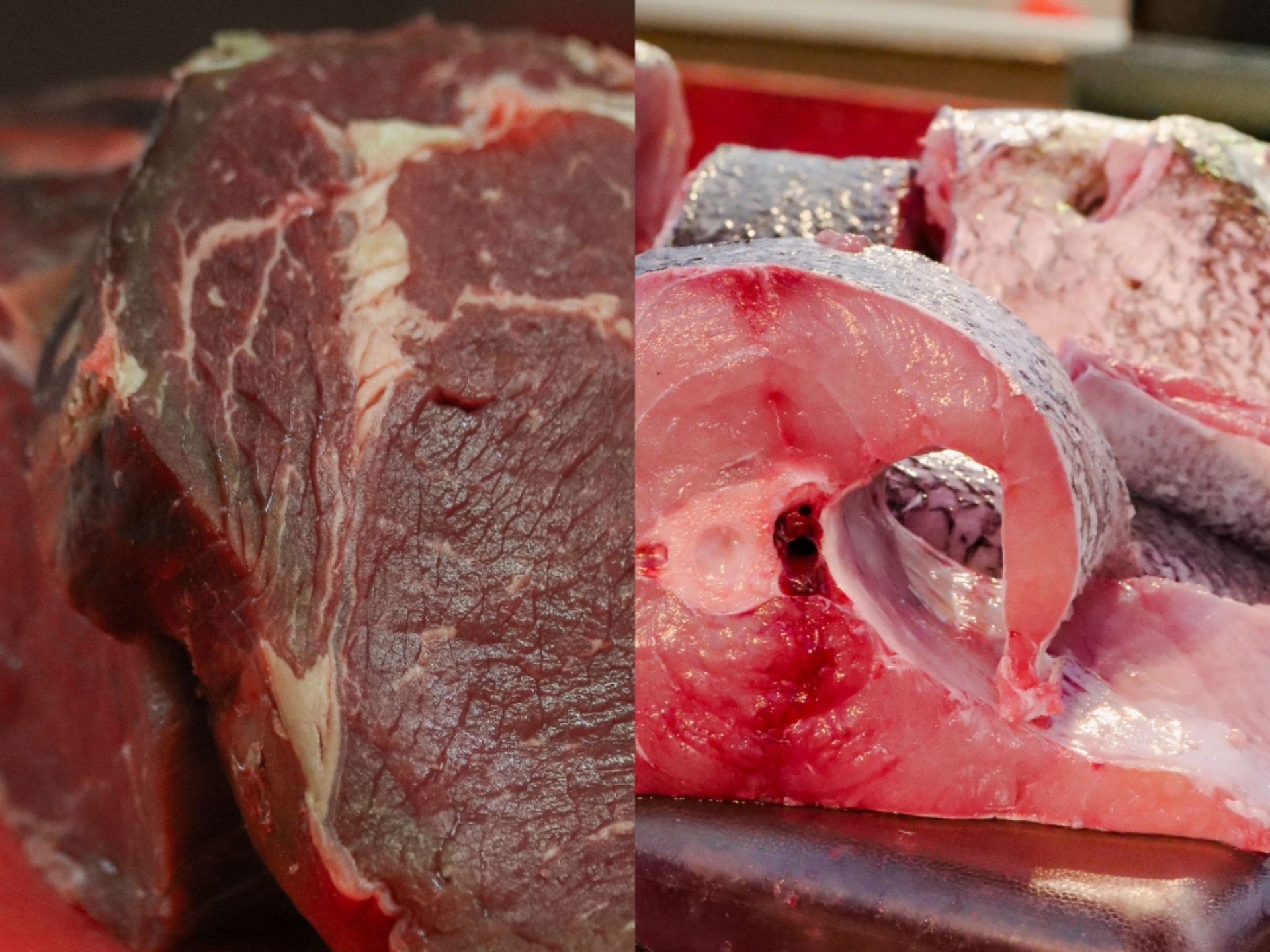
When it comes to choosing healthy foods, fish and beef are often among the most popular sources of protein. Both provide important nutrients that help the body grow, repair tissues, and maintain overall health. However, many people wonder which of the two is the better choice for optimal health.
The answer is not as straightforward as many expect. Fish and beef each offer unique nutritional benefits, and the healthier option often depends on an individual’s dietary needs, lifestyle, and health goals. Understanding how these protein sources compare can help consumers make informed decisions about what to include in their diets.
Why Protein Is Important
Protein is one of the essential nutrients required by the human body. It plays a vital role in building muscles, repairing damaged tissues, producing enzymes and hormones, and supporting the immune system.
Without adequate protein, the body may struggle to grow, recover from illness, and maintain normal bodily functions. This is why nutrition experts recommend including quality protein sources in daily meals.
Both fish and beef are considered complete proteins because they contain all the essential amino acids the body needs. This means that either can contribute significantly to meeting daily protein requirements.
The Nutritional Advantages of Fish
Fish is widely recognized as one of the healthiest animal-based foods available. In addition to providing high-quality protein, many fish species contain omega-3 fatty acids, which are beneficial fats that support heart and brain health.
Regular fish consumption has been associated with improved cardiovascular health and may help reduce the risk of certain chronic diseases. Fish is also generally easier to digest than some other protein sources, making it suitable for people of different age groups.
Another advantage of fish is that many varieties are naturally lower in saturated fat compared to beef. For individuals looking to maintain a healthy weight or support heart health, this can be an important consideration.
Fish also provides important nutrients such as vitamin D, iodine, selenium, and vitamin B12, all of which contribute to overall well-being.
The Nutritional Advantages of Beef
Beef remains one of the most nutrient-rich foods in many diets around the world. It is particularly valued for its high concentration of protein, iron, zinc, and vitamin B12.
Iron found in beef is highly absorbable by the body and plays a crucial role in transporting oxygen through the blood. This makes beef especially beneficial for individuals who may be at risk of iron deficiency.
Beef is also an excellent source of zinc, a mineral that supports immune function, wound healing, and normal growth. For physically active individuals and those looking to build or maintain muscle mass, beef can be a valuable addition to a balanced diet.
The nutritional value of beef, however, often depends on the cut selected. Lean cuts generally contain less fat and can be part of a healthy eating pattern when consumed in moderation.
Comparing Heart Health Benefits
One of the main reasons fish is often recommended by health professionals is its omega-3 fatty acid content. These healthy fats are known to support normal heart function and may help maintain healthy cholesterol levels.
While beef provides many valuable nutrients, some cuts contain higher levels of saturated fat. Excessive consumption of foods high in saturated fat may contribute to certain health concerns when not balanced with other healthy dietary choices.
This does not mean beef is unhealthy. Rather, it highlights the importance of moderation and selecting leaner cuts whenever possible.
For individuals specifically focused on heart health, fish may have a slight advantage due to its beneficial fat profile.
Which Is Better for Muscle Growth?
Both fish and beef can support muscle development because they provide complete, high-quality protein.
Beef is often favored by athletes and bodybuilders because of its protein density and rich supply of iron and vitamin B12. These nutrients support energy production and muscle recovery after physical activity.
Fish, however, also contributes significantly to muscle maintenance and growth while providing the added benefit of healthy fats. For many people, incorporating both fish and beef into a balanced diet may offer the greatest nutritional benefits.
Making the Healthiest Choice
The healthiest choice is not necessarily about choosing one food and avoiding the other. Instead, it involves understanding how each food contributes to a balanced diet.
Fish may be the preferred option for individuals looking to increase their intake of omega-3 fatty acids and support heart health. Beef may be particularly valuable for those who need more iron, zinc, or vitamin B12 in their diets.
The way these foods are prepared also matters. Grilling, baking, steaming, or roasting are generally healthier cooking methods than deep-frying or heavily processing meat products.
A healthy diet is built on variety, moderation, and balance rather than relying heavily on a single food source.
Conclusion
Fish and beef are both excellent sources of high-quality protein and can contribute to good health when consumed as part of a balanced diet. Fish offers important heart-friendly fats and essential nutrients, while beef provides valuable minerals and vitamins that support energy production, muscle development, and overall well-being.
Rather than viewing one as superior to the other, it is more useful to recognize the unique strengths each brings to the table. Including a variety of nutritious protein sources can help ensure the body receives the full range of nutrients it needs.
Ultimately, the best protein source is the one that fits within a healthy, balanced diet and supports your individual nutritional needs and health goals.
📩 Subscribe to Agronela Insights for expert content on Aquaculture, Crop Production, Livestock & Poultry, Food Nutrition & Health, and Agribusiness.
🌱 Informing, inspiring, and empowering the agricultural community.



1 Comment
Shafii
June 24, 2026Very resourceful,,,and helpful to anyone who minds on what he/she consumes…
Thanks alot