


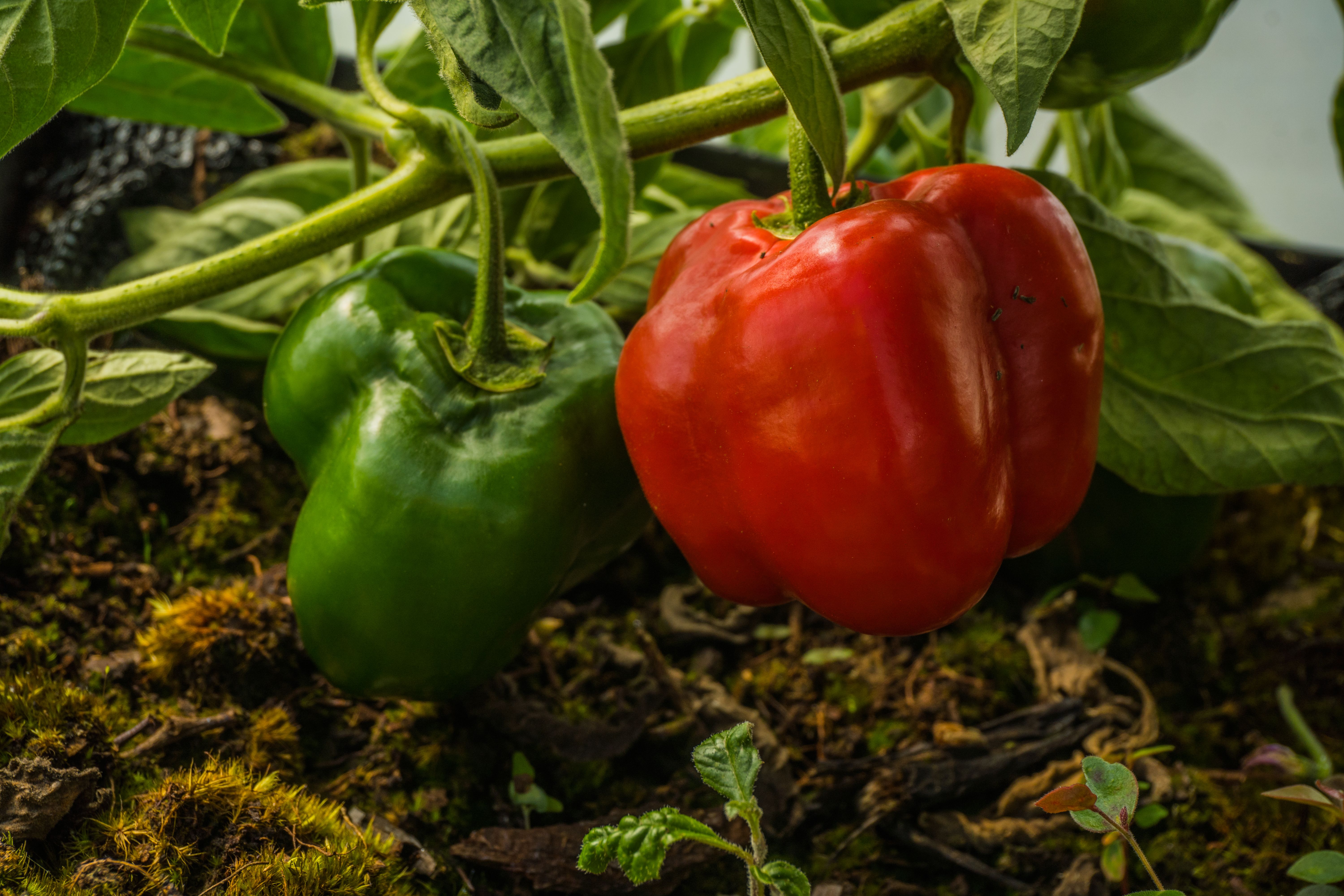
Bell peppers are among the most profitable vegetable crops grown by farmers and home gardeners alike. Their vibrant colors, sweet flavor, and high market demand make them a valuable addition to many farming enterprises. Whether sold fresh in local markets or supplied to supermarkets and restaurants, quality bell peppers can provide attractive returns when managed properly.
However, successful bell pepper production requires more than simply planting seeds and waiting for harvest. Like many vegetable crops, bell peppers need favorable growing conditions, proper nutrition, effective pest management, and consistent care throughout their growth cycle.
By following good agricultural practices from planting to harvest, farmers can improve plant health, increase yields, and produce high-quality fruits that attract better market prices.
Understanding Climate Requirements
Bell peppers thrive in warm conditions and perform best in areas with moderate temperatures and adequate sunlight. The crop grows well when temperatures remain relatively stable and extreme weather conditions are avoided.
Very low temperatures can slow growth and delay fruit development, while excessive heat may cause flowers to drop before fruits form. For this reason, farmers should plan their planting seasons carefully to ensure the crop develops under favorable conditions.
Adequate sunlight is also important because it supports photosynthesis, the process through which plants produce the energy needed for growth and fruit production.
Proper Soil Preparation
Healthy crops begin with healthy soil. Bell peppers grow best in fertile, well-drained soils that allow roots to develop freely and access nutrients efficiently.
Before planting, the land should be thoroughly prepared by removing weeds, crop residues, and other materials that may interfere with crop establishment. Well-prepared soil promotes better root penetration and improves water infiltration.
Incorporating organic matter such as compost or well-decomposed manure can further improve soil structure and fertility. Healthy soils provide a strong foundation for vigorous plant growth throughout the season.
Seed Selection and Nursery Management
The quality of the harvest often begins with the quality of the seed.
Farmers should select seeds from reliable sources and choose varieties that are suitable for local growing conditions and market preferences. Healthy seeds generally produce stronger seedlings and more productive plants.
Bell peppers are commonly started in nurseries before being transplanted into the field. During the nursery stage, seedlings require adequate moisture, sunlight, and protection from pests and diseases.
Careful nursery management helps ensure that seedlings develop strong stems and healthy root systems before transplanting.
Transplanting for Successful Establishment
Transplanting is a critical stage in bell pepper production.
Seedlings should be moved to the field when they are strong enough to withstand field conditions. Transplanting during cooler parts of the day, such as early morning or late afternoon, can help reduce stress on young plants.
Proper spacing is important because overcrowding can limit air circulation and increase competition for nutrients, water, and sunlight. Adequate spacing allows plants to develop fully and supports healthy fruit production.
After transplanting, seedlings should be watered promptly to help them establish roots in their new environment.
Watering and Irrigation Management
Consistent moisture is essential for healthy bell pepper growth.
Both excessive and insufficient watering can negatively affect plant performance. Water stress may lead to poor growth, flower drop, and reduced fruit development.
The goal is to maintain adequate soil moisture without creating waterlogged conditions. Well-managed irrigation supports healthy root development and helps plants absorb nutrients efficiently.
During flowering and fruit formation, maintaining consistent moisture becomes especially important because these stages significantly influence final yields.
Fertilizer Application for Better Growth
Bell peppers require a steady supply of nutrients throughout their growth cycle.
Fertilizers help provide the nutrients necessary for leaf development, flowering, and fruit production. Nutrient deficiencies can result in weak plants, poor fruit quality, and reduced yields.
Farmers should apply fertilizers according to crop requirements and soil conditions. Combining organic and inorganic nutrient sources often provides the best results by supporting both immediate nutrient availability and long-term soil health.
Balanced nutrition helps plants remain vigorous and productive throughout the season.
The Benefits of Mulching
Mulching is a simple practice that can significantly improve bell pepper production.
A layer of mulch placed around plants helps conserve soil moisture, regulate soil temperature, and suppress weed growth. These benefits create a more favorable environment for root development and plant growth.
Organic mulches such as dry grass, straw, or crop residues can also contribute organic matter to the soil as they decompose.
By reducing moisture loss and weed competition, mulching helps improve overall crop performance and may contribute to higher yields.
Effective Weed Control
Weeds compete directly with bell pepper plants for water, nutrients, sunlight, and growing space.
If left uncontrolled, weeds can reduce crop growth and lower yields. Regular field inspections help identify weed problems before they become severe.
Combining mulching, hand weeding, and other appropriate weed management practices can effectively reduce competition and allow bell peppers to utilize available resources more efficiently.
Maintaining a clean field also improves airflow and makes it easier to monitor crop health.
Managing Pests and Diseases
Pests and diseases are among the biggest challenges facing bell pepper farmers.
Insects may damage leaves, flowers, and fruits, while diseases can weaken plants and reduce productivity. Successful management depends on early detection and preventive measures.
Regular crop monitoring allows farmers to identify problems before they spread throughout the field. Healthy farming practices such as proper spacing, field sanitation, balanced nutrition, and good water management can help reduce the risk of many pest and disease problems.
A preventive approach is usually more effective and economical than attempting to control severe infestations after they occur.
Harvesting and Post-Harvest Handling
The timing of harvest has a significant impact on fruit quality and market value.
Bell peppers should be harvested when they have reached the desired size, color, and maturity stage for the target market. Careful handling during harvest helps prevent bruising and physical damage that can reduce shelf life.
After harvesting, fruits should be sorted, cleaned if necessary, and stored under suitable conditions to maintain freshness and quality.
Good post-harvest handling practices help farmers reduce losses and improve the marketability of their produce.
Conclusion
Bell pepper production can be a profitable venture when proper management practices are followed throughout the growing season. From selecting quality seeds and preparing fertile soil to managing irrigation, nutrition, pests, and harvesting, every stage contributes to the success of the crop.
Farmers who invest time and effort in good crop management are more likely to produce healthy plants, high yields, and quality fruits that meet market demands. By applying these essential practices consistently, bell pepper growers can improve productivity, increase profitability, and build a more sustainable farming enterprise.
📩 Subscribe to Agronela Insights and never miss expert agricultural insights, farming innovations, agribusiness opportunities, livestock management tips, crop production guides, and food nutrition updates.
Join our growing community today and stay ahead in the future of agriculture.
🌱 Learn. Innovate. Grow with Agronela Insights.