


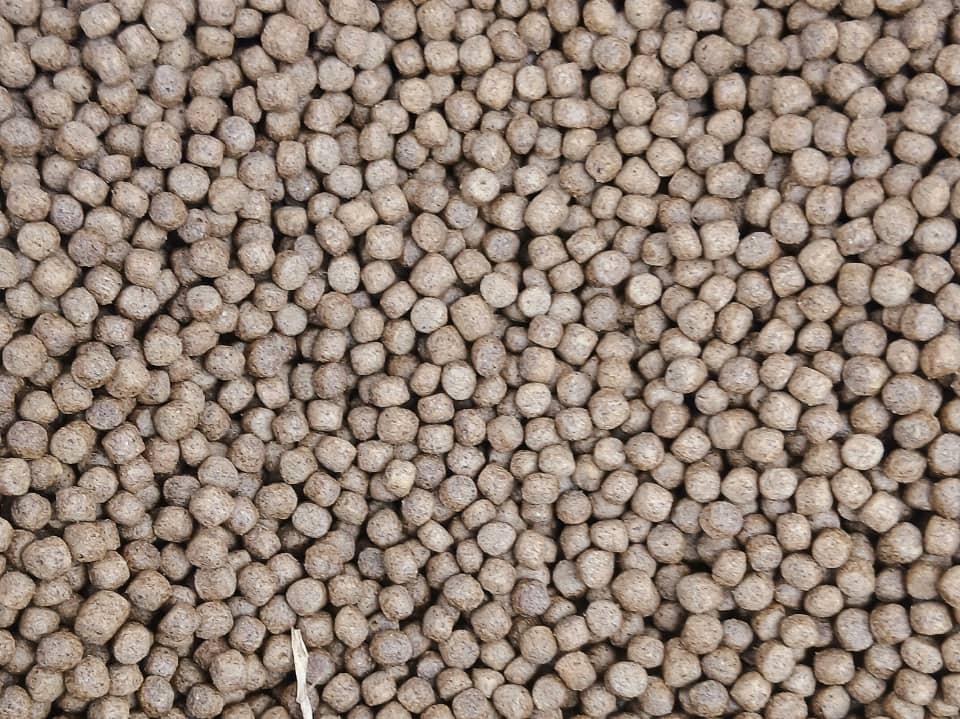
Feed is one of the most important investments in aquaculture. It directly influences fish growth, survival, health, and the overall profitability of a fish farming enterprise. In most fish farms, feed accounts for the largest share of production costs, making the choice of feed a critical management decision.
Selecting the right feed is not simply about buying the cheapest product available. The quality of the feed, its nutritional value, the fish species being raised, and the stage of growth all determine how well fish convert feed into body weight. Poor feed choices can lead to slow growth, increased production costs, poor water quality, and reduced profits.
By understanding what makes a good fish feed and how to match it to the needs of the fish, farmers can improve productivity while making better use of their investment.
Know the Nutritional Needs of Your Fish
Different fish species have different nutritional requirements. A feed that works well for one species may not provide the nutrients required by another.
For example, Nile tilapia and African catfish, the two most commonly farmed fish species in Uganda, have different feeding habits and growth patterns. Choosing feed that is specifically formulated for the species being cultured helps ensure healthy growth and efficient feed utilization.
Fish also require different nutrient levels as they grow. Young fish need diets that support rapid development, while larger fish require feeds designed to maintain steady growth until harvest.
Matching the feed to both the species and growth stage is one of the most effective ways to improve farm performance.
Choose Feed That Matches the Growth Stage
Fish feeds are generally produced for different stages of development.
Starter feeds are designed for fry and fingerlings and contain nutrients that support early growth. Grower feeds are suitable for fish that have passed the nursery stage and require balanced nutrition for steady weight gain. Finisher feeds are used during the final production phase to help fish reach market size efficiently.
Using the correct feed at each stage helps maximize growth while avoiding unnecessary feed costs.
Changing feed at the appropriate time also allows farmers to meet the changing nutritional needs of their fish throughout the production cycle.
Check Feed Quality Before Buying
Not all fish feeds offer the same level of quality.
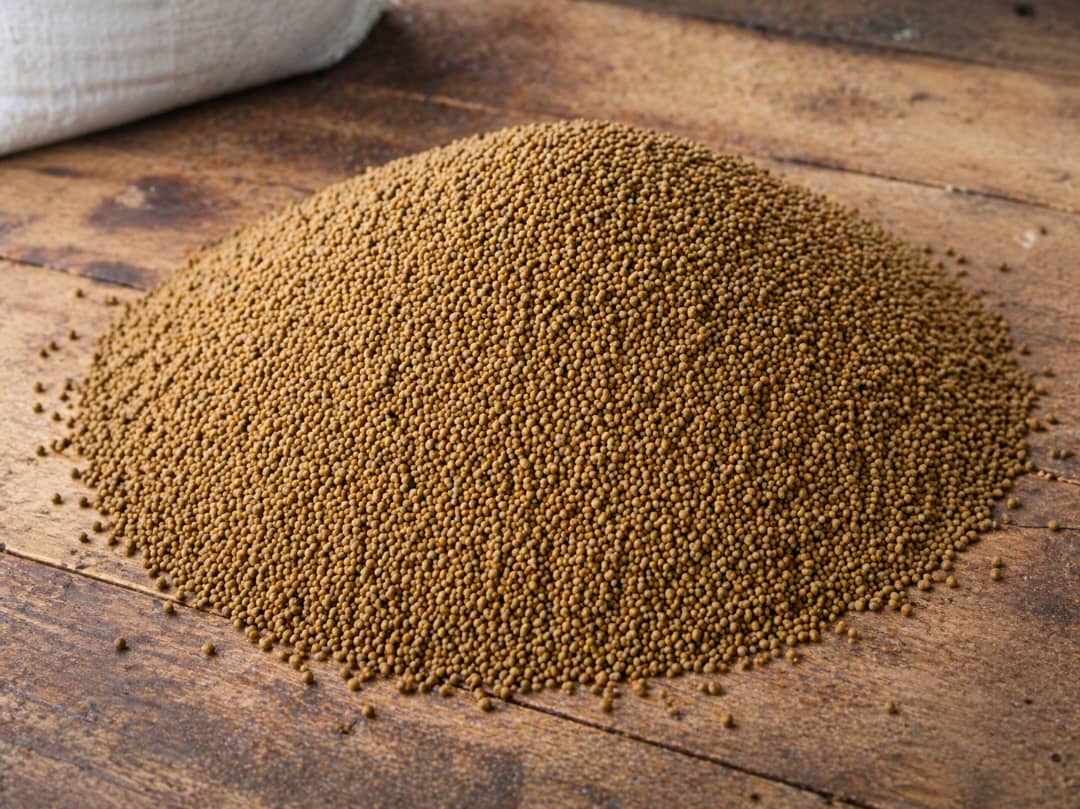
Farmers should purchase feed from reputable manufacturers or trusted suppliers known for producing consistent, high-quality products. Good fish feed should have a fresh smell, uniform pellet size, and be free from mould, excessive dust, or signs of spoilage.
Packaging should be properly sealed and clearly labeled with information about the feed type, intended fish species, manufacturing date, and expiry date.
Buying quality feed may seem more expensive at first, but it often produces healthier fish and better economic returns.
Select the Right Pellet Type
Fish feed is commonly available as either floating or sinking pellets.
Floating feed remains on the water surface, making it easy for farmers to observe feeding behaviour and estimate how much feed the fish are consuming. It also helps reduce feed wastage because uneaten pellets can be seen easily.
Sinking feed settles below the surface and is better suited for fish that naturally feed deeper in the water.
The choice between floating and sinking feed should depend on the feeding habits of the fish species and the production system being used.
Consider Feed Conversion Efficiency
Efficient feed is not always the cheapest feed.
A high-quality feed enables fish to convert more of what they eat into body weight. This means farmers can produce more fish while using less feed over time.
Poor-quality feed often results in slow growth, increased feed consumption, and higher production costs. When choosing feed, farmers should consider its ability to support healthy growth rather than focusing only on the purchase price.
Efficient feed management contributes directly to improved profitability.
Store Feed Properly
Even the best fish feed can lose its quality if it is stored incorrectly.
Feed should be kept in a cool, dry, and well-ventilated store away from direct sunlight and moisture. Bags should be placed on pallets rather than directly on the floor to reduce the risk of dampness.
Farmers should also use older feed before newly purchased stock to prevent feed from remaining in storage for long periods.
Proper storage helps preserve nutrients, prevents mould growth, and reduces unnecessary waste.
Avoid Common Feeding Mistakes
Choosing the right feed is only part of successful fish nutrition. How the feed is used is equally important.
Some common mistakes include overfeeding, underfeeding, feeding at irregular times, using expired feed, or changing feed types too suddenly. These practices can reduce growth, waste money, and negatively affect water quality.
Observing fish during feeding allows farmers to adjust feeding rates based on appetite and identify early signs of health or management problems.
Consistent feeding practices support better growth and improve overall farm efficiency.
Conclusion
Choosing the right feed is one of the most important decisions in successful fish farming. The ideal feed should match the fish species, support the appropriate growth stage, provide balanced nutrition, and come from a reliable manufacturer.
Farmers who invest in quality feed, store it properly, and follow good feeding practices are more likely to produce healthy fish, reduce production costs, and achieve better harvests.
As aquaculture continues to expand in Uganda and across Africa, efficient feeding will remain a key factor in building productive and profitable fish farming enterprises. Selecting the right feed is not simply an expense it is an investment in healthier fish, higher yields, and long-term success.
📩 Subscribe to Agronela Insights for expert content on Aquaculture, Crop Production, Livestock & Poultry, Food Nutrition & Health, and Agribusiness.
🌱 Informing, inspiring, and empowering the agricultural community.