


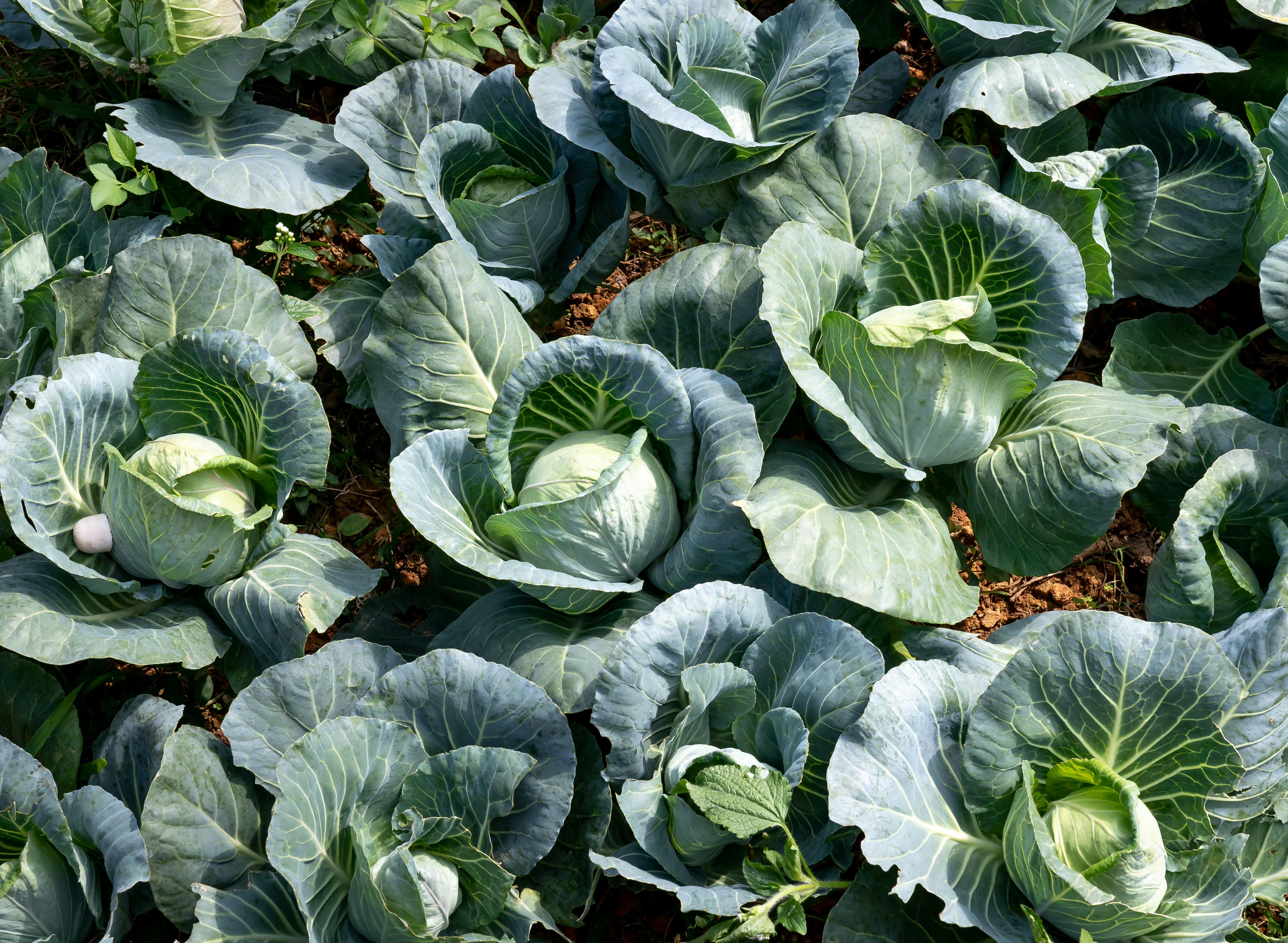
Cabbage is one of the most widely grown vegetables in Uganda because it has a ready market, is relatively easy to grow, and can provide good returns when managed well. It is sold in local markets, supermarkets, hotels, restaurants, schools, and other institutions, making it an important source of income for many farmers.
Successful cabbage farming depends on more than simply planting seeds. High yields are achieved by selecting suitable varieties, preparing fertile soil, transplanting healthy seedlings, providing enough water and nutrients, and controlling weeds, pests, and diseases throughout the growing season.
Although this guide focuses on practices suitable for Uganda, the principles can also be applied in many other regions with similar growing conditions.
Choose the Right Cabbage Variety
The first step to a successful cabbage crop is selecting the right variety.
Different varieties vary in maturity period, head size, disease resistance, and market preference. Some mature earlier and are suitable for farmers who want a quicker harvest, while others produce larger heads that are preferred in certain markets.
Always buy certified seed from a trusted supplier. Good-quality seed produces healthy seedlings, improves crop establishment, and increases the chances of a high yield.
Climate and Soil Requirements
Cabbage grows best in cool to moderately warm conditions with plenty of sunlight.
The crop performs well in fertile, well-drained soils that are rich in organic matter. Heavy clay soils that hold too much water can encourage root diseases, while very sandy soils lose water and nutrients quickly.
Before planting, it is a good idea to improve the soil by adding well-rotted farmyard manure or compost. Healthy soil encourages strong root development and supports vigorous plant growth.
Prepare the Land Properly
Good land preparation gives cabbage plants the best start.
Clear the field of weeds, crop residues, and stones before cultivation. Plough or dig the soil well and break large soil clods to create a fine seedbed.
If organic manure is available, mix it into the soil during land preparation. This improves soil fertility, water retention, and soil structure.
Well-prepared land allows seedlings to establish quickly after transplanting.
Raise Healthy Seedlings
Most cabbage farmers first raise seedlings in a nursery before transplanting them into the field.
The nursery should be located in a well-drained area with fertile soil and access to clean water. Water the seedlings regularly, remove weeds, and protect them from pests and diseases.
Only healthy, vigorous seedlings should be transplanted into the main field. Weak or diseased seedlings often produce poor-quality crops.
Strong seedlings are the foundation of a productive cabbage field.
Transplant at the Right Time
Seedlings should be transplanted when they are strong enough to survive in the field.
Transplanting is best done during the late afternoon or on a cloudy day to reduce stress caused by the sun. Water the seedlings immediately after transplanting to help them establish quickly.
Leave enough space between plants to allow good air movement and proper head development. Overcrowding leads to smaller heads and increases the risk of diseases.
Proper spacing also makes weeding and other field operations easier.
Water and Fertilise the Crop
Cabbage requires a steady supply of water throughout its growing period.
The soil should remain moist but not waterlogged. During dry periods, irrigation helps maintain healthy growth and prevents the heads from becoming small or poorly formed.
The crop also requires adequate nutrients. Applying well-decomposed manure together with recommended fertilisers helps produce healthy leaves and firm cabbage heads.
Healthy plants with enough water and nutrients usually produce larger, better-quality harvests.
Control Weeds, Pests, and Diseases
Weeds compete with cabbage for water, nutrients, and sunlight, so they should be removed regularly.
Farmers should also inspect the crop frequently for signs of pests and diseases. Early detection makes control easier and helps prevent serious damage.
Good field sanitation, crop rotation, proper spacing, and healthy seedlings reduce many pest and disease problems. Where control products are needed, they should always be used according to the manufacturer’s instructions and local agricultural recommendations.
Regular field inspection helps farmers respond quickly before problems spread.
Harvest at the Right Stage
Cabbages should be harvested when the heads are firm, compact, and have reached a good market size.
Harvesting too early results in small heads, while delaying harvest for too long may cause heads to split, reducing their market value.
Use a sharp knife to cut the cabbage, leaving a few outer leaves to protect the head during transport.
Careful harvesting helps maintain quality and reduces damage.
Handle and Store Cabbages Properly
After harvest, cabbages should be handled gently to avoid bruising.
Keep them in a cool, shaded place until they are transported or sold. Remove badly damaged or diseased heads to prevent spoilage.
Clean, attractive cabbages usually fetch better prices and are more appealing to buyers.
Good post-harvest handling helps reduce losses and maintain freshness.
Common Mistakes to Avoid
Many farmers reduce their yields through avoidable mistakes.
Some of the most common include:
- Using poor-quality seed.
- Transplanting weak or unhealthy seedlings.
- Planting in poorly drained soils.
- Failing to control weeds early.
- Allowing pests and diseases to spread before taking action.
- Harvesting too early or too late.
Avoiding these mistakes helps improve both yield and crop quality.
Conclusion
Cabbage farming can be a profitable enterprise when the crop is managed properly from planting to harvest. Success begins with selecting suitable varieties and healthy seedlings, followed by good land preparation, proper spacing, regular watering, balanced nutrition, and effective weed, pest, and disease management.
Harvesting at the right stage and handling cabbages carefully after harvest further improves quality and market value. By applying these essential practices, farmers can produce healthy, high-quality cabbages, achieve higher yields, and build a more successful and sustainable vegetable farming business.