


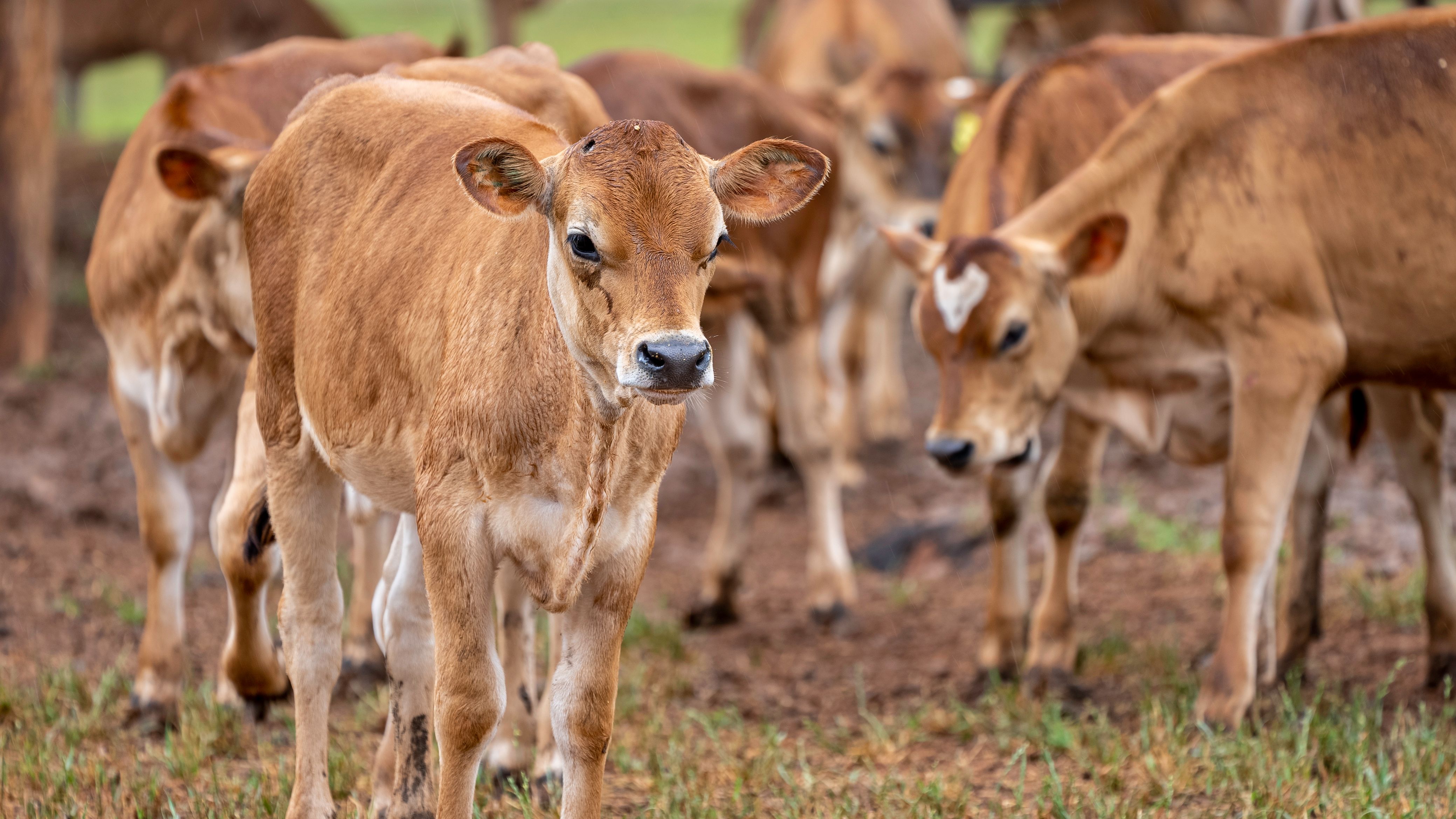
Livestock farming plays a vital role in providing food, income, employment, and raw materials for millions of households. Healthy animals produce more milk, meat, eggs, and offspring, making disease prevention one of the most important responsibilities of every livestock farmer.
Among the many disease control measures available, vaccination remains one of the most effective and cost-efficient tools for protecting livestock against infectious diseases. Rather than waiting for animals to become sick and treating them afterward, vaccination helps prepare their immune systems to fight specific diseases before infection occurs.
A well-planned vaccination program not only protects individual animals but also strengthens the health of the entire herd or flock, reducing production losses and improving farm profitability.
How Vaccination Works
Vaccination stimulates the animal’s immune system to recognize and respond to specific disease-causing organisms. After vaccination, the body develops protective immunity that helps it fight the disease if the animal is exposed in the future.
Vaccines do not usually provide immediate protection, which is why they should be administered before disease outbreaks occur. Following the recommended vaccination schedule is essential to ensure animals develop adequate immunity.
While vaccines greatly reduce the risk of disease, they work best when combined with good nutrition, proper housing, hygiene, and sound farm management.
Why Vaccination Is Important
Disease outbreaks can spread rapidly through a herd or flock, especially when animals are kept close together. Such outbreaks often lead to reduced growth, lower milk or egg production, poor fertility, increased treatment costs, and, in severe cases, animal deaths.
Vaccination helps minimize these risks by reducing the likelihood of disease and limiting its spread. Healthy livestock are more productive, require fewer medical treatments, and generally perform better throughout their productive lives.
For farmers, preventing disease is often far less expensive than managing an outbreak after it has already occurred.
Improving Productivity and Farm Profitability
Healthy animals use feed more efficiently and are better able to reach their production potential. Dairy cattle produce more milk, beef animals gain weight more consistently, poultry maintain better egg production, and breeding animals perform more effectively when they are free from disease.
Vaccination contributes to these outcomes by helping maintain animal health throughout the production cycle. Fewer disease outbreaks also mean lower veterinary expenses, reduced mortality, and fewer interruptions to farm operations.
Investing in vaccination is therefore an investment in both animal health and the long-term profitability of the farm.
Vaccination Is Only One Part of Disease Control
Although vaccination is highly effective, it should not be viewed as the only method of disease prevention.
Successful livestock farmers combine vaccination with other good management practices such as maintaining clean housing, providing balanced nutrition, ensuring access to clean water, controlling parasites, and limiting unnecessary contact between healthy animals and sick ones.
Good biosecurity practices, including disinfecting equipment and controlling visitor access, further reduce the risk of introducing diseases onto the farm.
When these measures work together, livestock are better protected against a wide range of health challenges.
Follow the Correct Vaccination Program
Not all livestock require the same vaccines, and vaccination schedules vary depending on the species, age of the animals, local disease risks, and veterinary recommendations.
Farmers should avoid vaccinating animals without proper guidance or using vaccines that are not recommended for their area. Vaccines should also be stored and handled correctly to maintain their effectiveness.
Working with qualified veterinarians or animal health professionals helps ensure that animals receive the right vaccines at the right time and in the correct manner.
Keeping records of vaccination dates and products used also helps farmers plan future vaccinations and monitor herd health.
Common Mistakes to Avoid
Some vaccination failures occur not because the vaccine is ineffective, but because it is used incorrectly.
Common mistakes include vaccinating sick or stressed animals, missing booster doses where required, using expired vaccines, poor storage, or failing to follow the recommended dosage and administration instructions.
Farmers should also avoid assuming that vaccinated animals no longer need good management. Proper feeding, hygiene, and disease monitoring remain essential even after vaccination.
Careful attention to these details helps maximize the benefits of every vaccination program.
The Role of Farmers in Disease Prevention
Every livestock farmer has a responsibility to protect not only their own animals but also neighboring farms and the wider livestock industry.
Reporting unusual disease outbreaks promptly, isolating sick animals, and following veterinary advice can help prevent diseases from spreading within communities.
By maintaining healthy herds and flocks through preventive measures such as vaccination, farmers contribute to improved food security, stronger rural livelihoods, and a more resilient agricultural sector.
Conclusion
Vaccination is one of the most effective tools available for preventing infectious diseases in livestock. It protects animal health, reduces production losses, lowers treatment costs, and improves the overall productivity of livestock enterprises.
However, vaccines work best when they are part of a comprehensive herd or flock health management program that includes good nutrition, proper housing, biosecurity, parasite control, and regular veterinary care.
For livestock farmers, vaccination is not simply a routine task it is a long-term investment in healthier animals, higher productivity, and a more profitable farming business. By following recommended vaccination programs and adopting sound management practices, farmers can build stronger and more resilient livestock enterprises for the future.
📩 Subscribe to Agronela Insights for expert content on Aquaculture, Crop Production, Livestock & Poultry, Food Nutrition & Health, and Agribusiness.
🌱 Informing, inspiring, and empowering the agricultural community.