



Feed is the foundation of successful aquaculture. Regardless of whether fish are raised in ponds, tanks, or cages, their growth, health, and productivity depend largely on the quality of feed they receive. In fact, feed is the largest operating cost in most fish farming enterprises, often accounting for more than half of the total production expenses.
For this reason, successful fish farmers do not simply focus on feeding their fish they focus on feeding them correctly. Choosing the right feed, providing it at the right time, and managing it efficiently can improve growth rates, reduce production costs, and increase farm profitability.
Whether farming Nile tilapia, African catfish, or other species, understanding aquaculture feeds is essential for producing healthy, marketable fish.
Why Quality Fish Feed Matters
Fish require a balanced diet to grow, remain healthy, and efficiently convert feed into body weight. Poor quality feed often results in slow growth, weak fish, increased disease susceptibility, and higher production costs.
Good quality feed provides the nutrients fish need to develop strong muscles, healthy organs, and a robust immune system. It also improves feed utilization, meaning farmers can produce more fish with less feed.
Although quality feed may cost more initially, it often delivers better economic returns because healthy fish reach market size faster and more efficiently.
Types of Aquaculture Feeds
Fish feeds are designed to meet the nutritional needs of fish at different stages of growth.
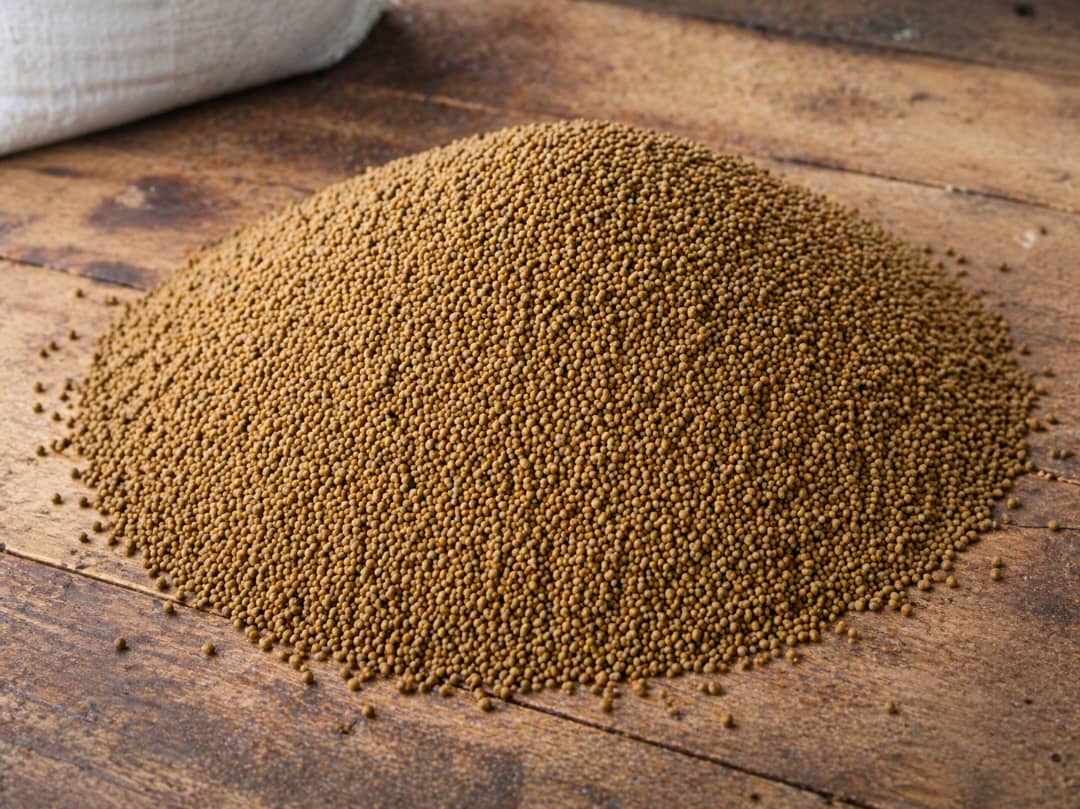
Starter feeds are formulated for fry and fingerlings, providing the nutrients needed for rapid early development. As fish grow, they transition to grower feeds that support steady body growth and muscle development. Finisher feeds are used during the final production stage to help fish reach market size efficiently.
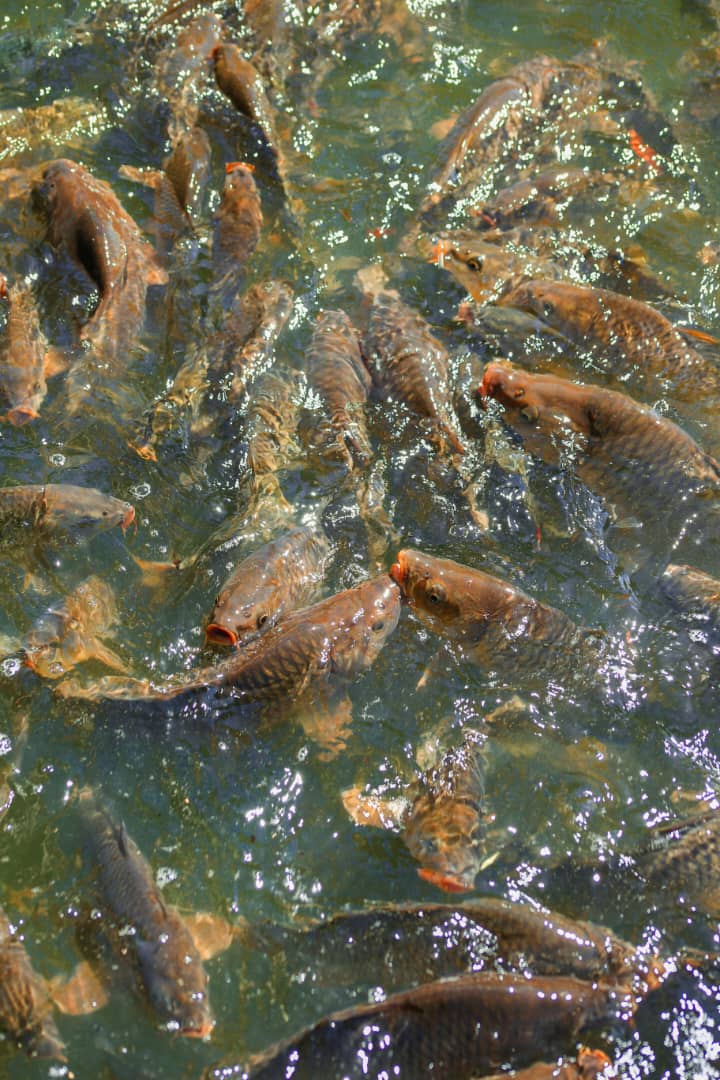
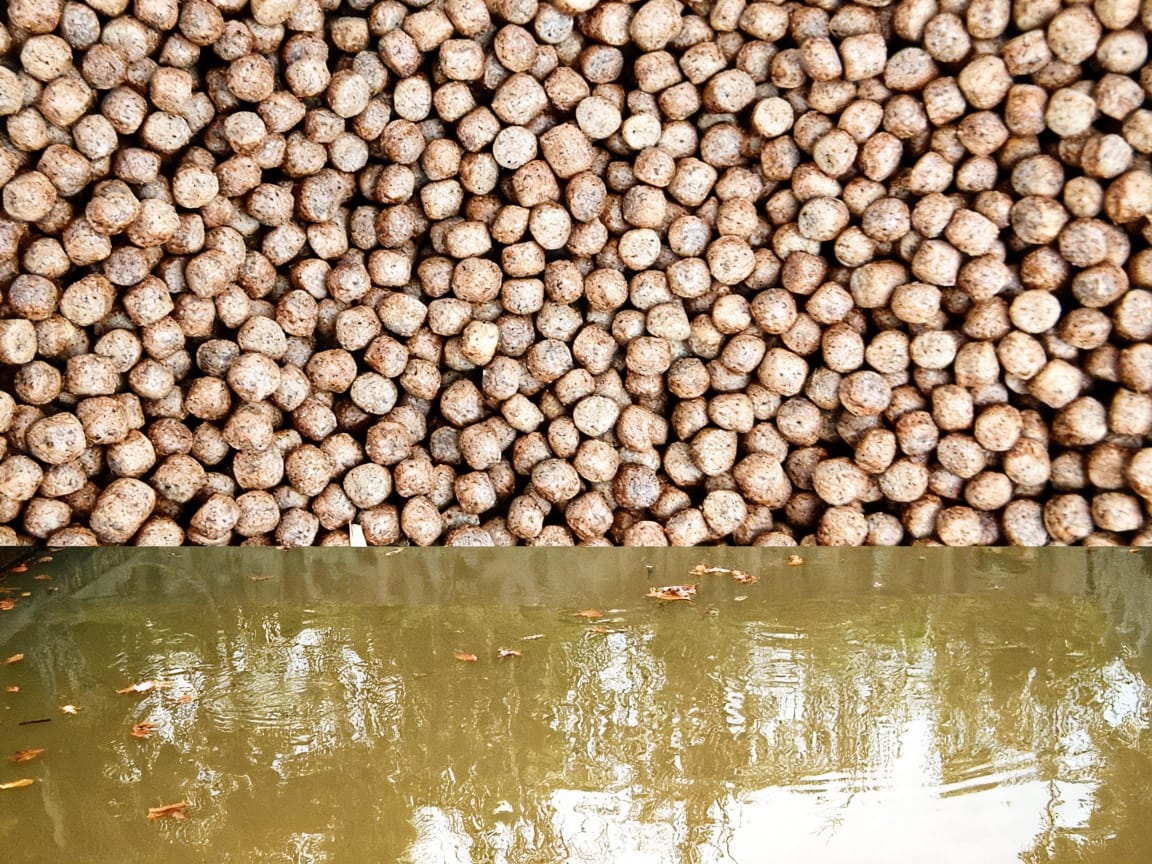
Fish feeds are also available as floating or sinking pellets. Floating feeds remain on the water surface, allowing farmers to observe feeding activity and reduce feed wastage. Sinking feeds settle below the surface and may be more suitable for species that naturally feed deeper in the water.
The choice of feed depends on the fish species, production system, and management objectives.
Essential Nutrients in Fish Feed
Like all animals, fish require a balanced combination of nutrients to remain healthy and productive.
A complete fish feed should contain proteins, carbohydrates, fats, vitamins, and minerals in appropriate amounts. Protein is particularly important because it supports muscle growth and tissue repair. Energy from carbohydrates and fats allows fish to grow without using valuable protein as a fuel source.
Vitamins and minerals contribute to healthy bones, proper metabolism, disease resistance, and normal body functions. A deficiency in any essential nutrient can affect growth, survival, and overall farm performance.
Providing a balanced diet is therefore one of the most important responsibilities of every fish farmer.
Feeding Different Fish Species and Growth Stages
Different fish species have different nutritional requirements. Even within the same species, feeding needs change as fish grow.
Young fish require nutrient-rich diets because they are growing rapidly and developing their organs and body tissues. As fish become larger, their nutritional needs change, and feeding programs should be adjusted accordingly.
For example, Nile tilapia and African catfish are both widely farmed in Uganda, but they differ in feeding behavior and growth characteristics. Farmers should always use feeds specifically formulated for the species they are raising and the stage of production.
Matching the feed to the fish’s needs helps improve growth while reducing unnecessary feed costs.
Factors That Affect Feed Intake
Several factors influence how much feed fish consume.
Water quality is one of the most important. Fish may reduce feeding when oxygen levels are low or when water quality deteriorates. Water temperature also affects appetite, as fish generally eat more actively under suitable environmental conditions.
Stocking density, fish health, and handling stress can also influence feeding behavior. Sick or stressed fish often eat less, leading to slower growth and poorer feed efficiency.
Regular observation during feeding helps farmers identify changes in appetite that may indicate management or health problems.
Proper Feed Storage and Handling
Even high-quality feed can lose its nutritional value if it is stored incorrectly.
Fish feed should be kept in a cool, dry, and well-ventilated area away from direct sunlight and moisture. Wet feed can develop mould, lose nutrients, and become unsafe for fish.
Farmers should also use older feed before newly purchased stock to reduce the risk of feed remaining in storage for too long.
Good storage practices help protect feed quality, reduce waste, and ensure that fish receive the nutrients they need throughout the production cycle.
Understanding Feed Conversion Ratio (FCR)
One of the most important measures of feeding efficiency is the Feed Conversion Ratio, commonly known as FCR.
FCR describes how efficiently fish convert feed into body weight. A lower FCR generally indicates better feed efficiency because less feed is required to produce a kilogram of fish.
Improving FCR depends on several factors, including feed quality, feeding management, fish health, and water quality. Farmers who monitor feed use and fish growth regularly are better able to evaluate their feeding program and identify opportunities for improvement.
Efficient feed utilization reduces production costs and increases profitability.
Common Feeding Mistakes
Many fish farmers experience poor growth because of avoidable feeding mistakes.
Some of the most common mistakes include:
- Overfeeding, which wastes feed and pollutes the water.
- Underfeeding, which slows fish growth and delays harvesting.
- Using poor-quality or expired feed.
- Feeding at irregular times.
- Failing to monitor fish during feeding.
Avoiding these mistakes can significantly improve fish performance while reducing unnecessary expenses.
Conclusion
Aquaculture feeds play a central role in the success of every fish farming enterprise. High-quality feed, combined with proper feeding practices, supports healthy fish growth, efficient feed utilization, and improved farm profitability.
Understanding the different types of feed, the nutritional needs of fish, proper storage methods, and the importance of feeding management enables farmers to make better decisions throughout the production cycle.
As aquaculture continues to expand in Uganda and across Africa, efficient feeding will remain one of the most important factors determining the success and sustainability of fish farming. Farmers who invest in quality feed and sound feeding practices are better positioned to produce healthy fish, achieve higher yields, and build profitable aquaculture businesses.
📩 Subscribe to Agronela Insights for expert content on Aquaculture, Crop Production, Livestock & Poultry, Food Nutrition & Health, and Agribusiness.
🌱 Informing, inspiring, and empowering the agricultural community.

1 Comment
Shafii
July 24, 2026Very informative piece! The breakdown of feed types and the focus on avoiding common feeding mistakes is especially helpful for farmers looking to optimize growth and reduce costs