



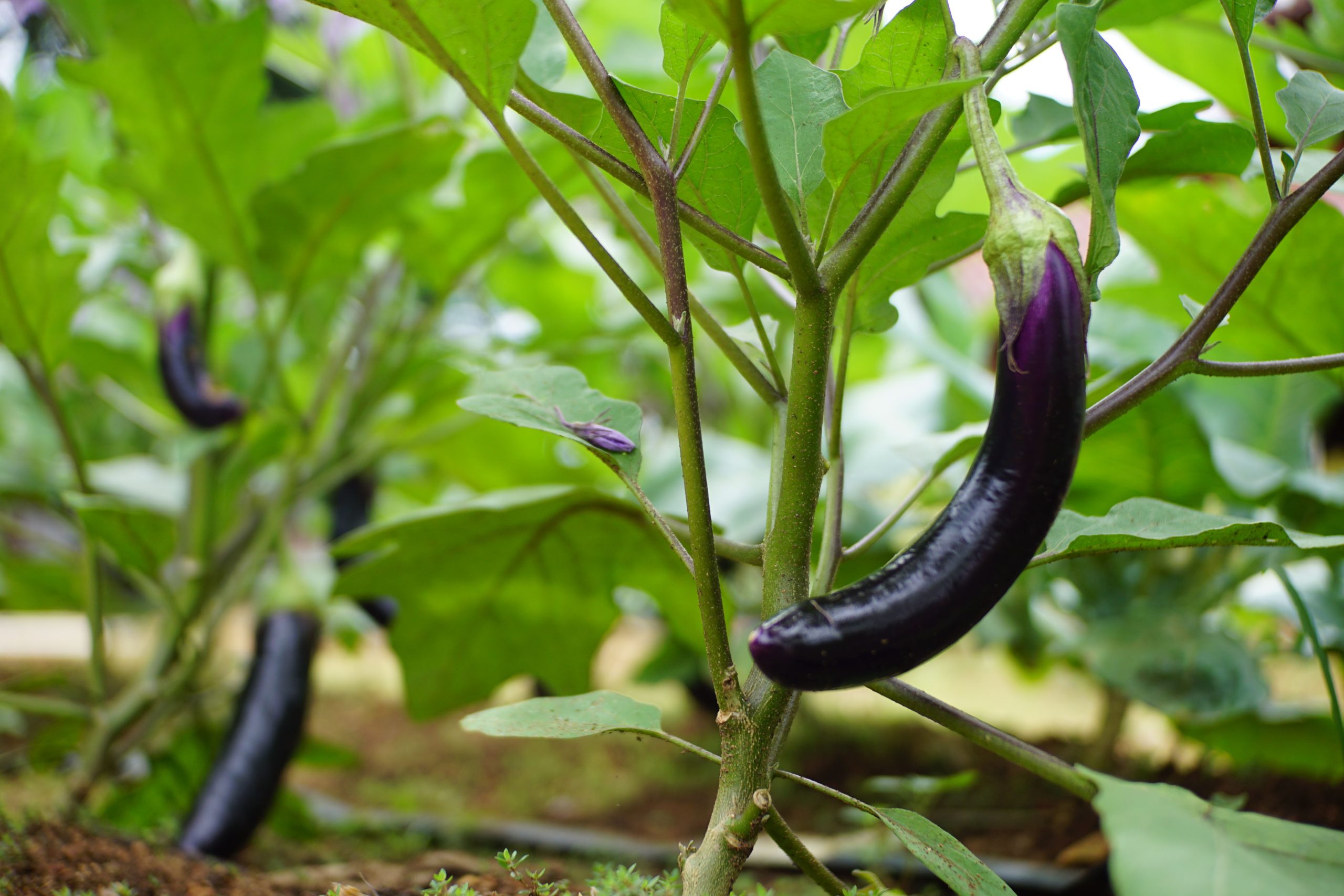
Eggplant, also known as aubergine, is one of the most popular vegetable crops grown by farmers across Uganda and many other parts of Africa. It is valued for its nutritional benefits, versatility in cooking, and strong market demand. With proper management, eggplant can provide farmers with a reliable source of income throughout much of the year.
Like any crop, successful eggplant production requires careful planning and good farming practices. From selecting quality seeds to harvesting mature fruits, every stage of production influences both yield and fruit quality. Farmers who pay close attention to crop management are more likely to produce healthy plants and achieve profitable harvests.
Whether you are growing eggplants for home consumption or commercial production, understanding the essential practices of cultivation can greatly improve your chances of success.
Choose the Right Variety
The foundation of a successful crop begins with selecting the right variety.
Farmers should choose varieties that are well suited to their local climate, soil conditions, and market preferences. Some varieties produce round fruits, while others produce long or oval-shaped fruits in shades of purple, green, or white.
When purchasing seed, it is important to buy from reputable suppliers to ensure good germination and healthy seedlings. High-quality seed gives farmers a stronger start and reduces the risk of poor crop establishment.
Climate and Soil Requirements
Eggplants thrive in warm conditions with plenty of sunlight. They grow best in areas where temperatures remain relatively stable and where there is adequate moisture throughout the growing season.
The crop performs well in fertile, well-drained soils that are rich in organic matter. Waterlogged soils should be avoided because excess moisture around the roots can reduce plant growth and encourage diseases.
Before planting, farmers should prepare the land thoroughly by removing weeds, loosening the soil, and incorporating compost or well-decomposed manure to improve soil fertility.
Healthy soil provides the strong foundation needed for vigorous plant growth and good fruit production.
Raising Healthy Seedlings and Transplanting
Eggplants are commonly started in nursery beds or seed trays before being transplanted into the field.
Seedlings should receive adequate water, sunlight, and protection from pests during the nursery stage. They should only be transplanted after developing strong stems and healthy leaves.
Transplanting is best done during the cooler hours of the day to reduce stress on young plants. After transplanting, the seedlings should be watered immediately to help them establish quickly.
Proper spacing between plants is equally important, as it allows good air circulation, reduces disease pressure, and gives each plant enough room to grow.
Watering and Fertilizer Management
Consistent watering is essential throughout the growing season, especially during flowering and fruit development. Both excessive watering and prolonged dry conditions can reduce yields and affect fruit quality.
Farmers should water regularly while ensuring the soil remains well-drained. Applying water directly to the base of the plant helps reduce unnecessary moisture on the leaves, which can encourage certain diseases.
Eggplants also require adequate nutrients for healthy growth. Organic manure improves soil fertility and structure, while appropriate fertilizers supply nutrients that support leaf development, flowering, and fruit formation.
Balanced nutrition enables plants to produce healthy fruits and maintain productivity over an extended harvesting period.
Mulching and Weed Control
Mulching is a simple but highly beneficial practice in eggplant production.
Applying organic materials such as dry grass or straw around the plants helps conserve soil moisture, regulate soil temperature, and suppress weed growth. As organic mulch decomposes, it also contributes nutrients that improve soil health.
Weeds compete with eggplants for sunlight, nutrients, water, and space. If left uncontrolled, they can significantly reduce crop growth and yield.
Regular weeding, combined with mulching, helps maintain a clean field and allows eggplants to make full use of available resources.
Pest and Disease Management
Pests and diseases are among the biggest challenges facing eggplant farmers.
Regular inspection of the crop allows farmers to identify problems early before they spread throughout the field. Healthy farming practices such as proper spacing, field sanitation, crop rotation, and balanced fertilization help reduce many pest and disease problems.
Removing damaged leaves and infected fruits also helps limit the spread of diseases and improves overall crop health.
Rather than waiting until problems become severe, farmers should focus on prevention through good crop management and timely intervention whenever necessary.
Harvesting and Post-Harvest Handling
Eggplants should be harvested when the fruits have reached their proper size, have smooth and shiny skin, and are still firm. Delaying harvest for too long may result in over-mature fruits with reduced quality and poorer market value.
Fruits should be harvested carefully using a sharp knife or pruning shears to avoid damaging the plant. Gentle handling during harvesting and transportation helps prevent bruising, which can shorten shelf life.
After harvest, eggplants should be sorted to remove damaged fruits and stored in a cool, well-ventilated place before being transported to the market.
Good post-harvest handling helps farmers maintain product quality and reduce losses.
Conclusion
Eggplant farming can be a profitable enterprise when farmers apply proper production practices throughout the growing season. Success begins with selecting quality seed and continues through proper land preparation, nursery management, transplanting, irrigation, fertilization, mulching, weed control, pest management, and careful harvesting.
Every stage of production contributes to the final yield and quality of the crop. Farmers who invest time in managing their fields consistently are more likely to produce healthy plants, high-quality fruits, and profitable harvests.
With growing demand for fresh vegetables, eggplant remains an excellent crop for both small-scale and commercial farmers seeking to improve productivity and generate sustainable income.
📩 Subscribe to Agronela Insights for expert content on Aquaculture, Crop Production, Livestock & Poultry, Food Nutrition & Health, and Agribusiness.
🌱 Informing, inspiring, and empowering the agricultural community.