




Have you ever wondered why two farmers can plant the same crop, in the same season, and in the same area, yet harvest very different amounts?
One farmer fills bags upon bags with produce while the other struggles to recover the money invested. The difference is usually not luck. It is often the result of better planning, better management, and better farming practices.
The good news is that the same methods used by successful farmers can be learned and applied by anyone willing to improve.
Success Begins Before Planting
Many farmers focus on planting day, but successful crop production starts long before the first seed enters the soil.
Good farmers prepare their land properly, choose the right crop varieties, and ensure they have everything needed for the season ahead.
A well-prepared farm creates the foundation for a successful harvest.
Quality Seeds Make a Difference
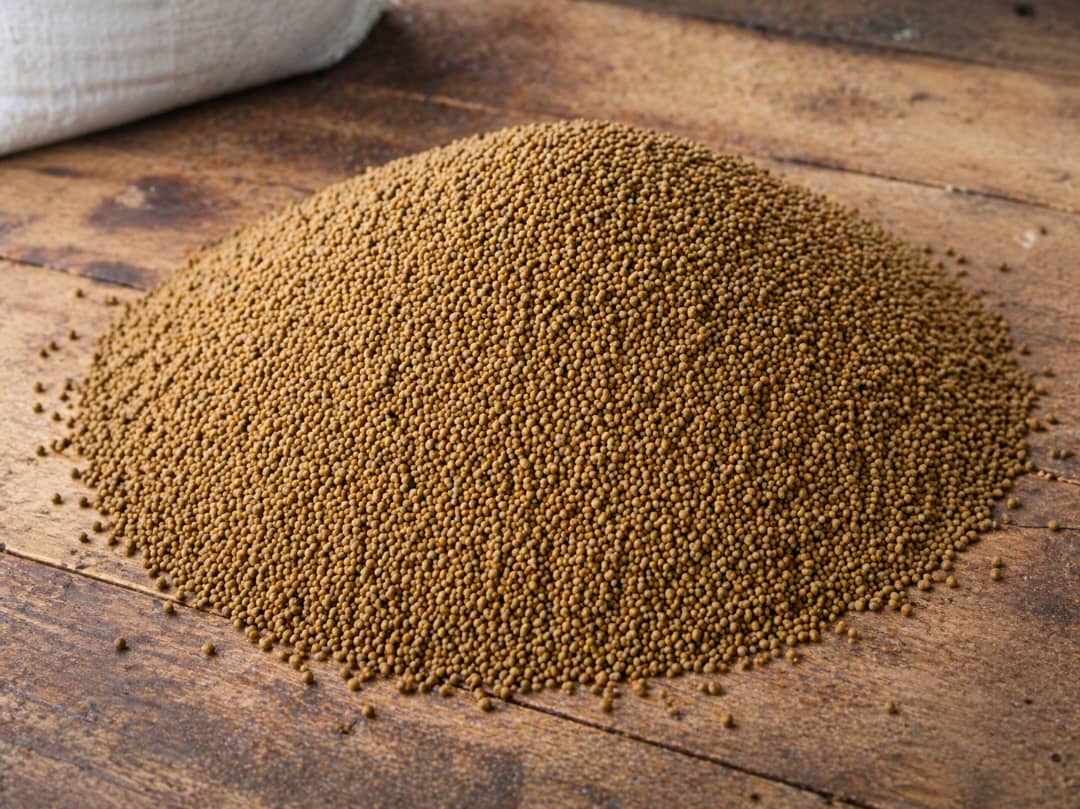
A harvest can never be better than the seeds that produced it.
Using quality seeds gives crops a stronger start and improves their ability to resist certain challenges. Farmers who invest in good seeds often achieve better germination, stronger plants, and higher yields.
Saving money on poor-quality seeds can become very expensive later.
Healthy Soil Produces Healthy Crops
Soil is more than dirt. It is the home where crops grow and obtain the nutrients they need.
Healthy soil supports strong root development and helps plants grow vigorously. Farmers should take steps to maintain soil fertility through good farming practices and proper nutrient management.
Healthy soil is one of the greatest investments a farmer can make.
Timely Planting Matters
Planting at the right time can significantly affect crop performance.
When crops are planted at the appropriate time, they benefit from favorable weather conditions and have a better chance of reaching their full potential.
Delays can reduce yields and increase production risks.
Control Weeds Early
Weeds compete with crops for water, nutrients, sunlight, and space.
If left unmanaged, weeds can greatly reduce harvests. Successful farmers control weeds early before they become a major problem.
Early action is often easier and less costly than dealing with severe weed infestations later.
Monitor Crops Regularly
The best farmers spend time observing their fields.
Regular field inspections help identify problems before they become serious. Pests, diseases, and nutrient deficiencies are easier to manage when detected early.
A farmer’s eyes remain one of the most valuable tools on the farm.
Water Management Is Essential
Crops need sufficient water for healthy growth.
Too little water can reduce yields, while too much water may damage crops and create favorable conditions for disease.
Understanding and managing water properly helps crops perform at their best.
Keep Learning and Improving
Agriculture continues to evolve.
New farming methods, improved crop varieties, and better management practices are constantly being developed. Farmers who continue learning often stay ahead and achieve better results.
Success belongs to those who are willing to adapt and improve.
Conclusion
The secret behind farms that harvest twice as much is not magic. It is the result of many good decisions made throughout the season.
Quality seeds, healthy soil, proper planning, timely planting, and consistent management all contribute to better yields.
Every successful harvest begins with small actions taken at the right time. By focusing on these fundamentals, farmers can increase productivity, improve profitability, and build stronger farming enterprises.
📩 Subscribe to Agronela Insights and never miss expert agricultural insights, farming innovations, agribusiness opportunities, livestock management tips, crop production guides, and food nutrition updates.
Join our growing community today and stay ahead in the future of agriculture.
🌱 Learn. Innovate. Grow with Agronela Insights.

1 Comment
Shafii
June 14, 2026Any membership for premium lectures on how to boost yields from fish farming?
Anyway Agronela Insights it’s the needed hype in agriculture!?