




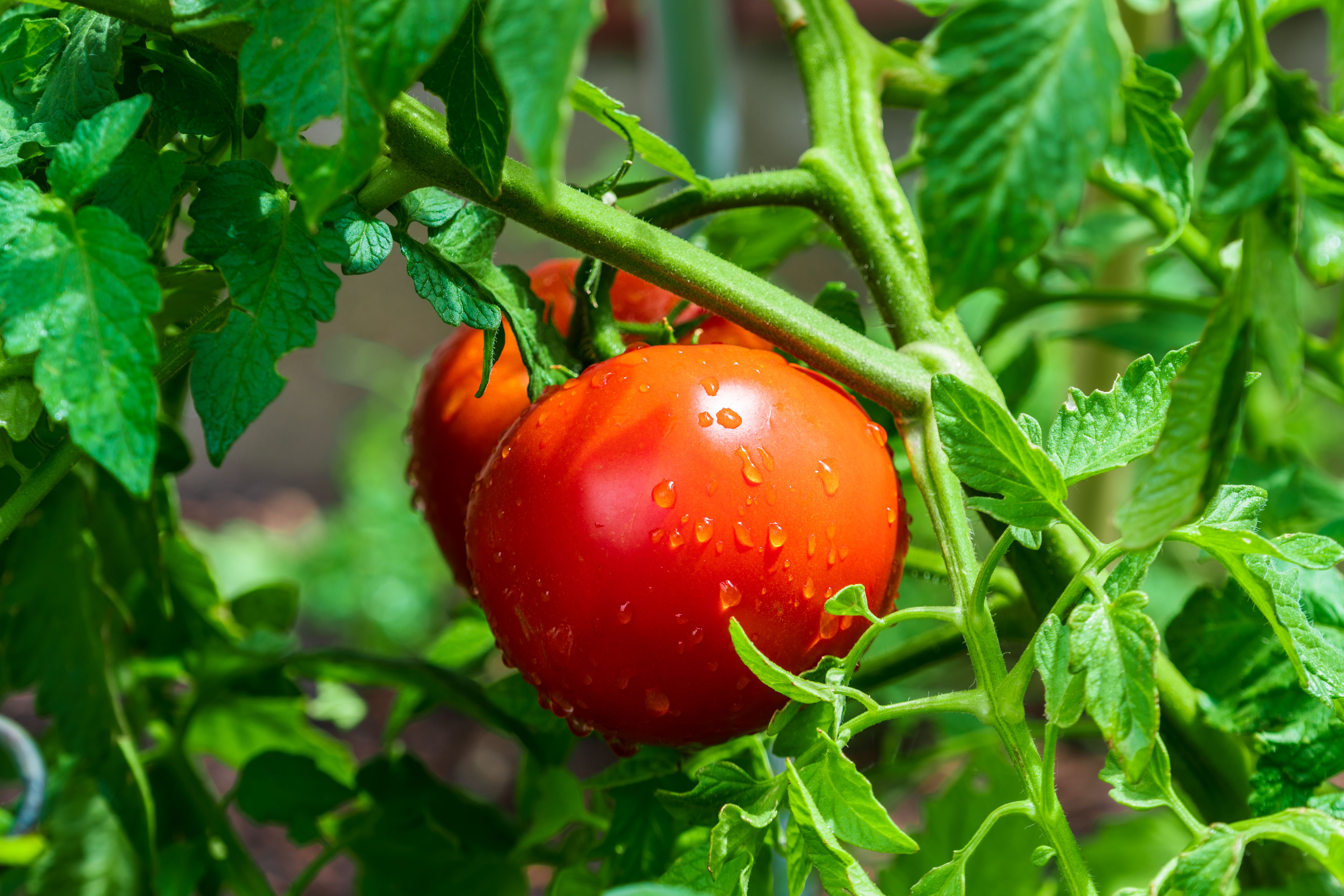
Tomatoes are among the most valuable vegetable crops grown by farmers around the world. Their high demand in households, restaurants, supermarkets, and processing industries makes them an attractive crop for both small-scale and commercial producers. However, despite their profit potential, tomato farming comes with a major challenge that has frustrated countless growers: disease outbreaks.
Many farmers have experienced situations where a healthy-looking tomato field suddenly develops yellow leaves, wilting plants, fruit rot, or widespread leaf damage. Within a short period, yields decline, fruit quality deteriorates, and profits begin to disappear. In severe cases, entire fields may be lost before harvest.
What makes tomato diseases particularly challenging is that they often spread quickly when conditions are favorable. By the time visible symptoms appear across a field, significant damage may already have occurred.
The good news is that disease prevention is far more effective and less expensive than disease control. Successful tomato farmers understand that preventing diseases begins long before symptoms appear. It requires careful planning, good farm hygiene, proper crop management, and regular monitoring throughout the growing season.
Disease Prevention Starts Before Planting
One of the biggest mistakes farmers make is focusing on disease control only after transplanting tomatoes into the field. In reality, disease prevention begins during the planning stage.
The choice of planting material plays a major role in determining the health of the crop. Farmers should always obtain healthy seedlings from reliable sources. Weak, damaged, or infected seedlings can introduce disease into the field from the very beginning.
Site selection is equally important. Tomatoes should be planted in well-drained areas where water does not accumulate after rainfall. Poor drainage creates favorable conditions for many soil-related diseases and can weaken plant roots, making them more vulnerable to infections.
Preparing the land properly before planting also helps create a healthy growing environment. Good land preparation improves soil conditions and encourages strong root development, which is essential for vigorous plant growth.
The Importance of Proper Plant Spacing
Many farmers believe that planting more tomatoes in a small area will automatically increase production. Unfortunately, overcrowding often creates the opposite effect.
When plants are too close together, air movement becomes restricted. The environment around the crop becomes more humid, especially after rainfall, irrigation, or morning dew. These conditions create an ideal environment for many diseases to develop and spread.
Proper spacing allows sunlight to penetrate the crop canopy and improves airflow between plants. Leaves dry more quickly, reducing the amount of time moisture remains on plant surfaces.
Good spacing also makes field inspection easier. Farmers can move between rows comfortably and identify potential problems before they spread throughout the crop.
In addition, properly spaced plants compete less for water and nutrients, allowing them to grow stronger and healthier.
Maintaining Field Hygiene Throughout the Season
Field sanitation is one of the most powerful disease prevention tools available to farmers.
Unfortunately, it is often overlooked.
Weeds, diseased leaves, damaged fruits, and crop debris can all serve as sources of infection. If these materials remain in the field, they can provide shelter for disease-causing organisms and contribute to future outbreaks.
Regular field cleaning reduces these risks and creates a healthier growing environment.
Farmers should remove diseased plant material as soon as it is detected. Leaving infected leaves or fruits in the field allows diseases to spread more easily to healthy plants.
Maintaining a clean field not only reduces disease pressure but also improves overall crop appearance and management efficiency.
Water Management Can Determine Crop Health
Water is essential for tomato production, but improper water management often contributes to disease problems.
Excessive moisture around plants creates conditions that favor many disease-causing organisms. Overwatering can weaken roots and encourage the development of various plant health issues.
At the same time, insufficient water can stress plants and reduce their ability to resist disease.
The goal is to maintain consistent soil moisture without creating waterlogged conditions.
Farmers should pay attention to irrigation practices and avoid unnecessarily wetting the foliage whenever possible. Water that remains on leaves for extended periods can encourage disease development, particularly during humid conditions.
Proper drainage and careful irrigation management are therefore critical components of disease prevention.
Nutrition and Plant Strength Are Closely Connected
Healthy plants are naturally better equipped to withstand disease pressure.
A tomato crop that receives adequate nutrition develops stronger stems, healthier leaves, and a more robust root system. These characteristics help plants cope with environmental stress and improve their ability to resist infections.
Nutrient deficiencies often weaken plants and make them more susceptible to disease attacks. For this reason, fertility management should be viewed as part of a comprehensive disease prevention strategy rather than simply a method for increasing yields.
Farmers should focus on maintaining soil fertility and providing balanced nutrition throughout the growing season.
Strong plants are not immune to disease, but they are generally better prepared to handle challenges than weak or stressed plants.
The Value of Regular Crop Monitoring
One of the habits that separates successful tomato farmers from struggling ones is consistent field observation.
Disease problems rarely appear overnight. In many cases, early warning signs can be detected before serious damage occurs.
Farmers who inspect their crops regularly are more likely to notice:
- Yellowing leaves.
- Wilting plants.
- Leaf spots.
- Discoloration.
- Unusual growth patterns.
Early detection allows for timely intervention and can significantly reduce losses.
Regular monitoring also helps farmers identify other issues such as pest infestations, nutrient deficiencies, and irrigation problems that may affect overall crop performance.
Crop Rotation as a Long Term Solution
Growing tomatoes repeatedly in the same location can gradually increase disease pressure.
Certain disease-causing organisms can survive in the soil for extended periods, waiting for another tomato crop to be planted. As a result, disease problems often become more severe when tomatoes are continuously grown in the same field.
Crop rotation helps break these cycles.
By alternating tomatoes with unrelated crops, farmers reduce the opportunities for disease organisms to survive and multiply. This practice not only supports disease management but also contributes to improved soil health and long-term farm productivity.
Although crop rotation requires planning, its benefits can be substantial over time.
Why Prevention Always Wins
Many farmers focus heavily on treatment while giving less attention to prevention.
However, prevention offers several advantages. It is generally less expensive, less labor-intensive, and more effective than trying to control a disease outbreak after it has become widespread.
A preventive approach helps protect yields, preserve fruit quality, and reduce production risks throughout the season.
The most successful tomato farmers are often those who spend the majority of their efforts creating conditions that discourage disease rather than constantly fighting outbreaks.
Conclusion
Disease management is one of the most important aspects of successful tomato production. While no farming system can eliminate all disease risks, farmers can greatly reduce their vulnerability through proper planning and sound management practices.
Healthy seedlings, proper spacing, good field hygiene, effective water management, balanced nutrition, regular crop monitoring, and crop rotation all work together to create a healthier and more productive tomato crop.
In tomato farming, disease prevention is not a single activity performed once during the season. It is a continuous process that begins before planting and continues until harvest.
Farmers who prioritize prevention are often rewarded with healthier plants, higher yields, better-quality fruits, and stronger profits.
📩 Subscribe to Agronela Insights and never miss expert agricultural insights, farming innovations, agribusiness opportunities, livestock management tips, crop production guides, and food nutrition updates.
Join our growing community today and stay ahead in the future of agriculture.
🌱 Learn. Innovate. Grow with Agronela Insights.

1 Comment
MS
June 21, 2026Prior knowledge about the crop to be planted is key…in securing a good yield