






Essential Vitamins, Their Food Sources, and Recommended Daily Intakes for Optimal Health
Good health begins with proper nutrition. While carbohydrates, proteins, and fats are often discussed when talking about food, vitamins are equally important. These essential nutrients are needed in small amounts, yet they play a major role in keeping the body healthy and functioning properly.
Vitamins support growth, strengthen the immune system, help the body produce energy, maintain healthy skin and eyesight, and contribute to countless other bodily functions. A deficiency in even one vitamin can affect health and reduce overall well-being.
The good news is that most vitamins can be obtained through a balanced diet that includes a variety of fruits, vegetables, grains, animal products, and other nutritious foods. Understanding the roles of different vitamins and where to find them can help people make better dietary choices and support long-term health.
Why Vitamins Matter
The human body relies on vitamins to perform many important functions. Unlike carbohydrates, proteins, and fats, vitamins do not provide energy directly. Instead, they help the body use nutrients efficiently and support normal growth and development.
Without adequate vitamins, the body may struggle to maintain healthy tissues, fight infections, produce energy, and perform other critical functions. This is why nutrition experts encourage people to consume a wide range of foods rather than relying heavily on a limited number of food types.
A balanced diet remains the best way to obtain the vitamins the body needs every day.
Vitamin A: Supporting Vision and Immunity
Vitamin A is well known for its role in maintaining healthy eyesight. It also supports the immune system and helps keep the skin and body tissues healthy.
Foods rich in Vitamin A include carrots, sweet potatoes, spinach, pumpkin, mangoes, eggs, milk, and liver. The recommended daily intake for most adults is approximately 700 to 900 micrograms.
People who consume a variety of colorful fruits and vegetables are often more likely to meet their Vitamin A requirements.
Vitamin B Complex: The Body’s Energy Helpers
The Vitamin B group consists of several vitamins that work together to support energy production, brain function, and healthy blood cells.
Good sources include whole grains, beans, fish, meat, eggs, milk, leafy vegetables, and nuts. Because the B vitamins perform different functions, recommended daily intakes vary depending on the specific vitamin.
A diet that includes diverse food groups generally provides adequate amounts of these important nutrients.
Vitamin C: Strengthening the Body’s Defenses
Vitamin C plays a major role in supporting the immune system and helping the body repair tissues. It also assists in the absorption of iron from plant-based foods.
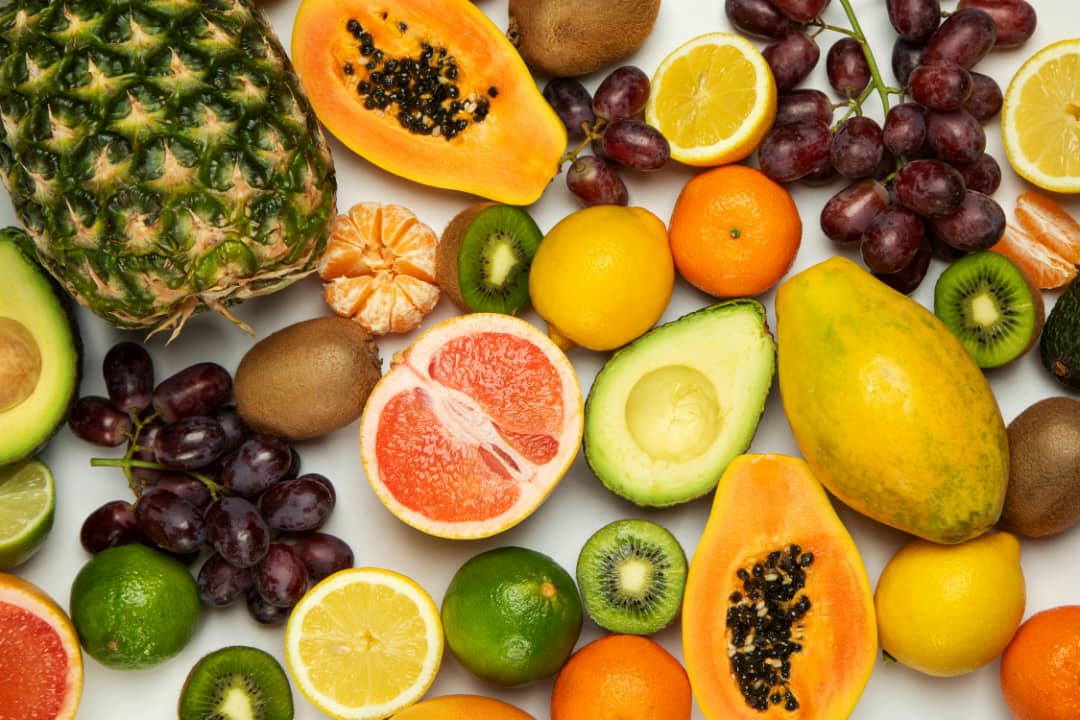
Common food sources include oranges, lemons, guavas, pineapples, tomatoes, bell peppers, and many leafy vegetables.
For most adults, the recommended daily intake ranges from 75 to 90 milligrams. Since the body does not store large amounts of Vitamin C, regular consumption of fruits and vegetables is important.
Vitamin D: Essential for Strong Bones
Vitamin D helps the body absorb calcium, making it vital for healthy bones and teeth.
Unlike many other vitamins, sunlight is one of the primary sources of Vitamin D. The body produces Vitamin D when the skin is exposed to sunlight. It can also be found in foods such as eggs, fish, fortified dairy products, and certain mushrooms.
Most adults require approximately 600 international units (IU) per day. However, requirements may vary depending on age and health conditions.
Vitamin E: Protecting Body Cells
Vitamin E acts as an antioxidant, helping protect body cells from damage.
It is commonly found in vegetable oils, nuts, seeds, avocados, and leafy green vegetables.
The recommended daily intake for adults is about 15 milligrams. Including healthy fats and plant-based foods in the diet can help provide sufficient amounts of this vitamin.
Vitamin K: Supporting Blood Clotting and Bone Health
Vitamin K plays an important role in blood clotting and maintaining healthy bones.
Leafy green vegetables such as spinach, kale, and cabbage are among the richest sources. Other sources include broccoli and certain vegetable oils.
Adult men generally require around 120 micrograms daily, while adult women need approximately 90 micrograms.
People who regularly consume green vegetables often obtain adequate amounts of Vitamin K.
Common Food Sources of Essential Vitamins
Many nutritious foods provide multiple vitamins at the same time. Some of the best vitamin-rich foods include:
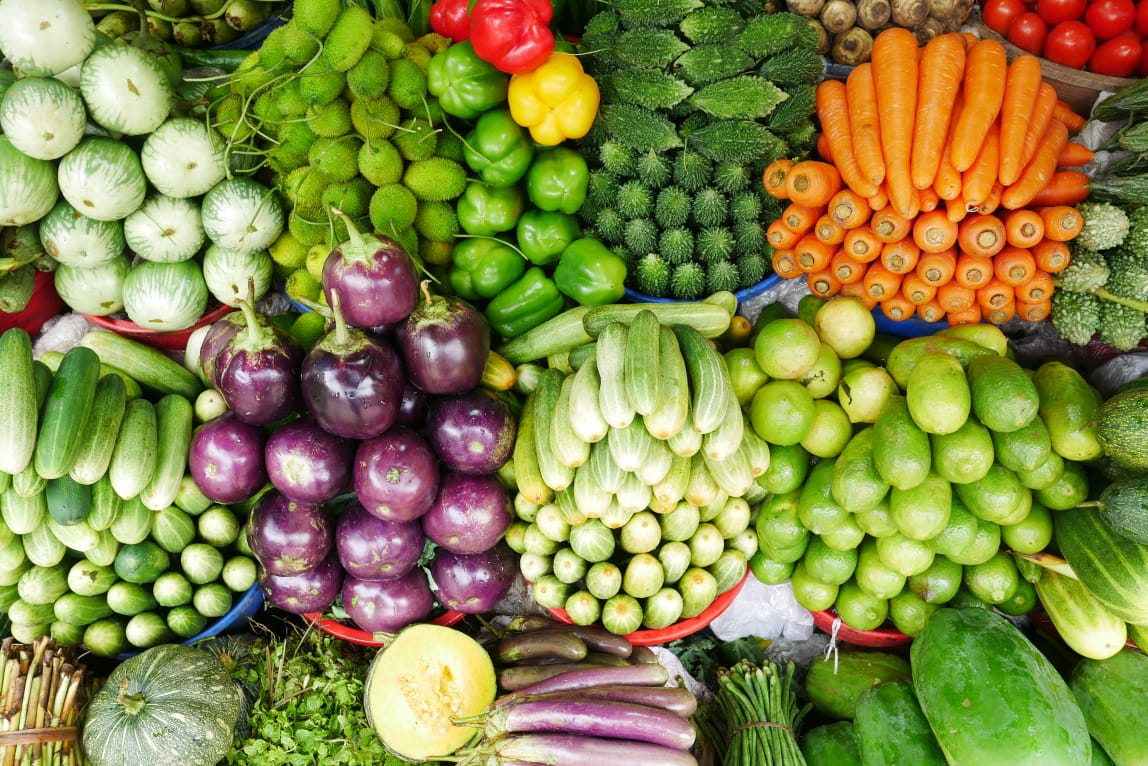
- Leafy green vegetables such as spinach and kale.
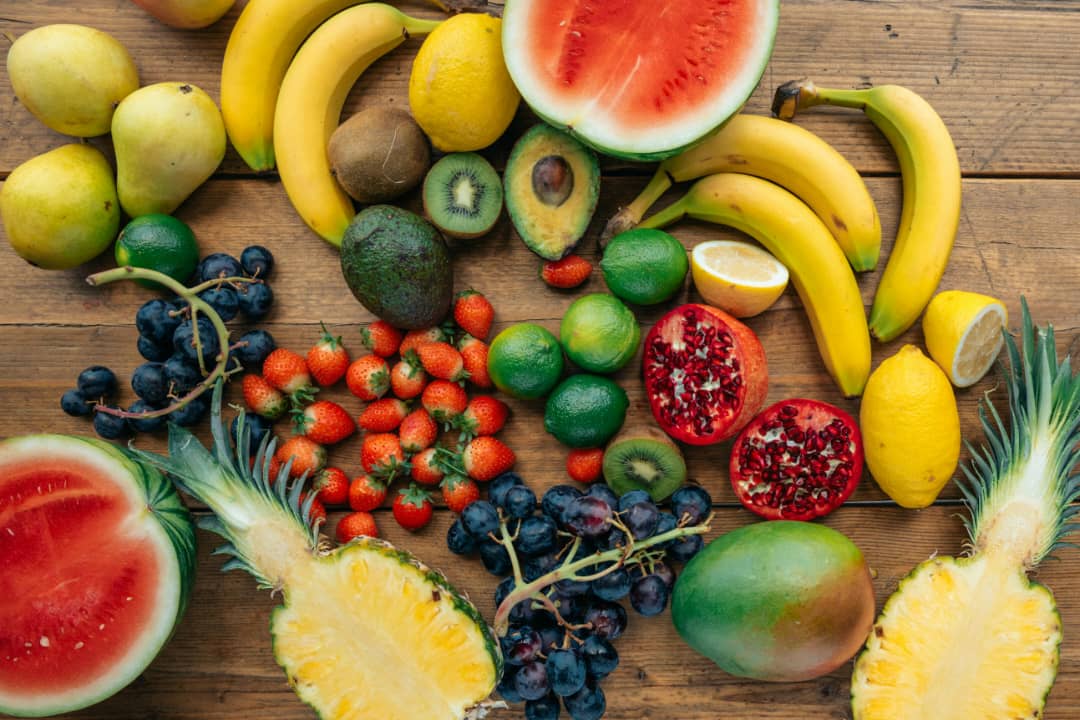
- Fruits such as oranges, mangoes, guavas, and pineapples.
- Eggs and dairy products.
- Fish and lean meats.
- Nuts and seeds.
- Whole grains and legumes.
Eating a wide variety of foods is often more effective than focusing on a single “superfood.”
Can You Get All Your Vitamins from Food?
In most cases, yes.
A balanced diet that includes fruits, vegetables, proteins, healthy fats, and whole grains can provide most people with the vitamins they need. However, certain groups, such as pregnant women, older adults, or individuals with specific health conditions, may sometimes require supplements under medical guidance.
It is generally best to obtain vitamins from food whenever possible because foods provide additional nutrients and beneficial compounds that supplements may not contain.
Building a Vitamin-Rich Diet
Improving vitamin intake does not require expensive foods or complicated meal plans.
Simple habits can make a significant difference. Including fruits with breakfast, adding vegetables to meals, consuming a variety of protein sources, and choosing whole foods more often can help improve nutritional quality.
Consistency is more important than perfection. Small improvements made every day can lead to meaningful health benefits over time.
Conclusion
Vitamins are essential nutrients that support nearly every function of the human body. From maintaining healthy vision and strong bones to supporting immunity and energy production, these nutrients play a critical role in overall well-being.
Fortunately, most vitamins can be obtained through a balanced and varied diet that includes fruits, vegetables, whole grains, proteins, and healthy fats. Understanding their roles, food sources, and recommended daily intakes can help individuals make informed dietary choices and build healthier lifestyles.
Good nutrition is not about chasing individual nutrients. It is about creating balanced eating habits that provide the body with everything it needs to thrive, today and in the years to come.
📩 Subscribe to Agronela Insights for expert content on Aquaculture, Crop Production, Livestock & Poultry, Food Nutrition & Health, and Agribusiness.
🌱 Informing, inspiring, and empowering the agricultural community.