





Livestock as a Source of Manure: Enhancing Soil Fertility and Sustainable Crop Production
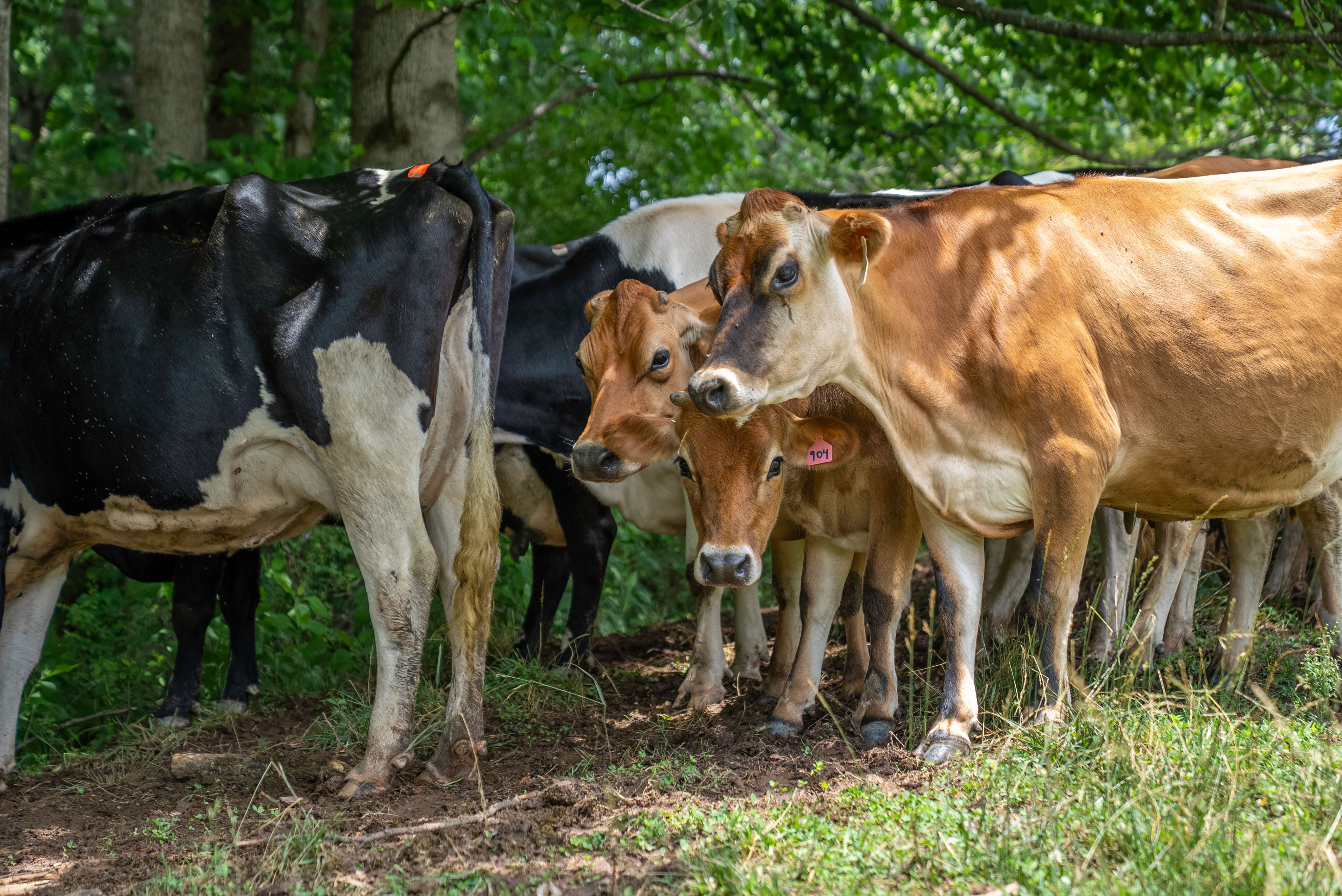
Agriculture is most productive when different farming activities work together. One of the oldest and most effective examples of this relationship is the connection between livestock and crop production. For generations, farmers have relied on livestock not only for meat, milk, eggs, and income but also as a valuable source of manure that helps maintain soil fertility.
In modern agriculture, many farmers depend heavily on synthetic fertilizers to improve crop yields. While these fertilizers can provide nutrients quickly, their continuous use without proper soil management may affect soil quality over time. Livestock manure offers a natural alternative that improves soil fertility while supporting sustainable farming practices.
By making effective use of livestock manure, farmers can reduce production costs, improve soil health, and increase crop productivity in an environmentally friendly way.
Understanding the Value of Livestock Manure
Manure is the waste produced by farm animals such as cattle, goats, sheep, pigs, rabbits, and poultry. Although often viewed simply as waste, manure is actually a valuable resource rich in nutrients that plants need for healthy growth.
When properly handled and applied, manure supplies nutrients to crops while improving the physical condition of the soil. Unlike many synthetic fertilizers that primarily provide nutrients, manure contributes both nutrients and organic matter, making it beneficial for long-term soil improvement.
This dual role makes livestock manure one of the most important resources available to mixed farming systems.
Improving Soil Fertility Naturally
Healthy soil is the foundation of successful crop production. Crops depend on fertile soil to obtain the nutrients necessary for growth, flowering, and yield development.
Livestock manure contains essential nutrients that support plant growth. As manure decomposes, these nutrients are gradually released into the soil, where they become available to crops over time.
This slow release of nutrients helps provide a more consistent supply compared to some fertilizers that release nutrients rapidly. As a result, crops can benefit from improved nutrient availability throughout much of their growing period.
Farmers who regularly apply well-decomposed manure often notice healthier plants, improved crop performance, and better yields.
Enhancing Soil Structure and Water Retention
One of the greatest advantages of manure is its ability to improve soil structure.
Many agricultural soils become compacted after years of cultivation. Compacted soil restricts root growth, limits water infiltration, and reduces the movement of air within the soil.
Organic matter from manure helps loosen the soil and improve its structure. Better soil structure allows roots to penetrate more easily and access water and nutrients more efficiently.
Improved soil structure also enhances the soil’s ability to retain moisture. During dry periods, soils enriched with organic matter often hold water longer than soils with low organic content. This can help crops withstand short periods of drought and reduce moisture stress.
For farmers facing unpredictable rainfall patterns, improved water retention can be a major advantage.
Supporting Beneficial Soil Organisms
Healthy soil contains countless living organisms that contribute to soil fertility and plant health.
Earthworms, beneficial bacteria, fungi, and other microorganisms play important roles in breaking down organic materials and recycling nutrients.
When livestock manure is added to the soil, it provides food and energy for these beneficial organisms. Their activity helps improve nutrient availability and supports a healthier soil ecosystem.
Over time, this biological activity contributes to improved soil productivity and sustainability.
Reducing Dependence on Chemical Fertilizers
Rising fertilizer prices continue to challenge many farmers. For smallholder farmers in particular, purchasing large quantities of commercial fertilizers can be expensive.
Livestock manure provides an affordable and locally available source of nutrients. While it may not completely replace commercial fertilizers in all situations, it can significantly reduce dependence on external inputs.
Farmers who integrate livestock and crop production often benefit from lower production costs because nutrients are recycled within the farm rather than purchased from outside sources.
This creates a more self-sufficient and resilient farming system.
Proper Manure Management Is Essential
Although manure offers many benefits, its effectiveness depends on proper management.
Fresh manure should generally not be applied directly to crops in large quantities because it may contain weed seeds, harmful organisms, or excessive levels of certain nutrients. Allowing manure to decompose through composting improves its quality and makes it safer for crop production.
Proper storage is equally important. Manure exposed to heavy rainfall may lose valuable nutrients through runoff and leaching. Farmers should therefore store manure in protected areas whenever possible.
Good management ensures that the full benefits of manure are realized while minimizing potential problems.
Integrating Livestock and Crop Production
One of the key principles of sustainable agriculture is resource recycling.
Mixed farming systems allow nutrients to move efficiently between livestock and crops. Crop residues can be used as livestock feed, while livestock manure can be returned to the fields to improve soil fertility.
This cycle creates a productive relationship that benefits both enterprises.
Instead of viewing livestock and crop production as separate activities, successful farmers often manage them as interconnected parts of a single farming system.
Such integration improves efficiency, reduces waste, and promotes long-term sustainability.
Environmental Benefits of Using Manure
The use of livestock manure extends beyond improving crop yields.
Recycling manure reduces waste accumulation and helps minimize environmental pollution. It also contributes to improved soil health, increased organic matter levels, and better water conservation.
Sustainable manure use supports environmentally responsible agriculture while helping farmers maintain productive land for future generations.
As concerns about environmental sustainability continue to grow, manure remains an important tool for building resilient farming systems.
Conclusion
Livestock are far more valuable than the products they provide directly. Through manure production, they contribute significantly to soil fertility, crop productivity, and sustainable agriculture.
By improving soil structure, supplying essential nutrients, enhancing water retention, and supporting beneficial soil organisms, manure helps create healthier and more productive farming systems. When properly managed, it can reduce production costs, improve soil health, and strengthen the long-term sustainability of agricultural enterprises.
For farmers seeking practical and affordable ways to improve crop performance, livestock manure remains one of nature’s most valuable resources. Its continued use can help build fertile soils, productive farms, and a more sustainable future for agriculture.
📩 Subscribe to Agronela Insights for expert content on Aquaculture, Crop Production, Livestock & Poultry, Food Nutrition & Health, and Agribusiness.
🌱 Informing, inspiring, and empowering the agricultural community.