



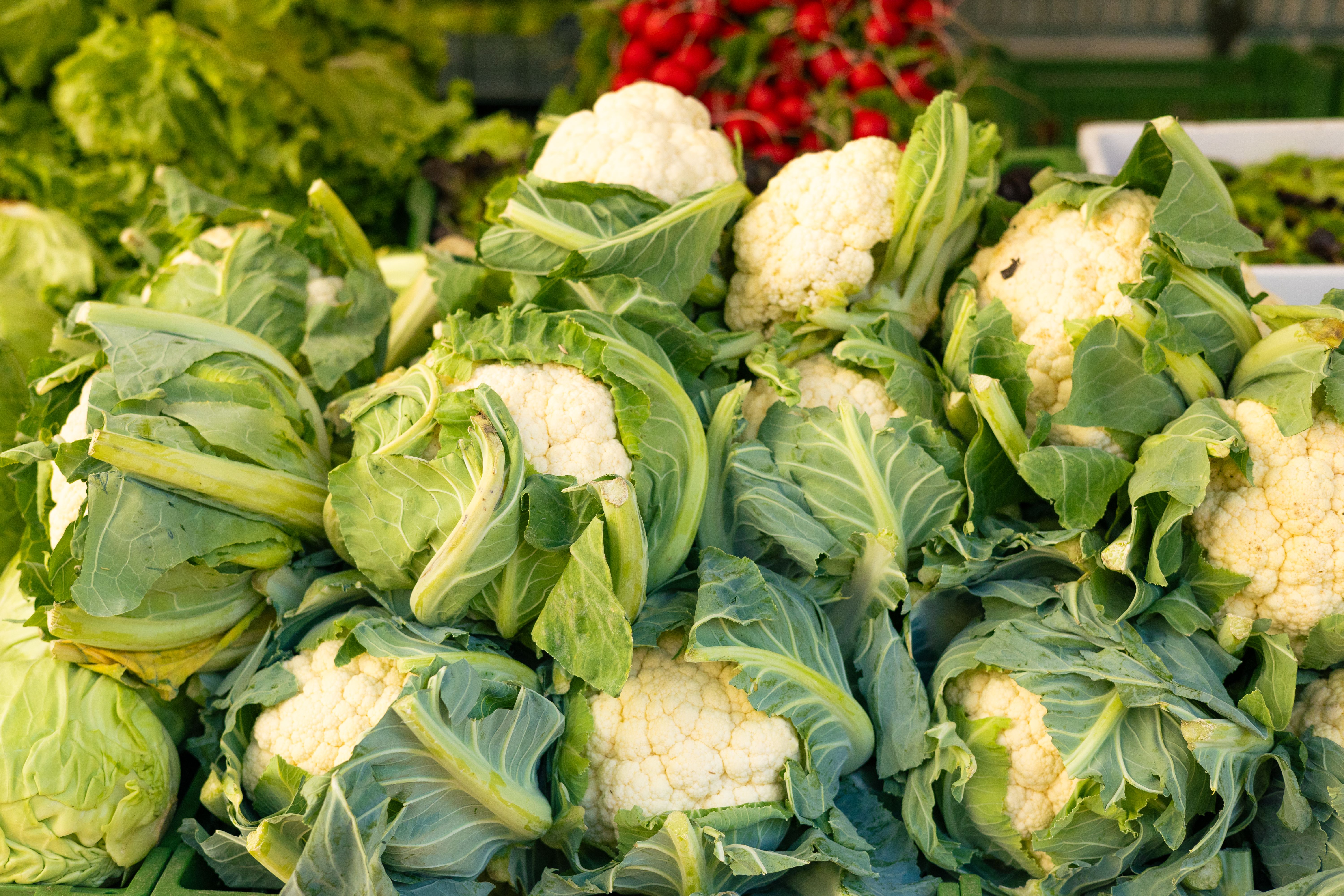
Cauliflower is a highly nutritious vegetable belonging to the cabbage family (Brassica oleracea). It is valued for its edible white head, commonly known as the curd, which is widely used in soups, salads, stir-fries, and many other dishes. As consumer demand for healthy vegetables continues to increase, cauliflower has become an attractive crop for farmers supplying supermarkets, hotels, restaurants, and fresh produce markets.
Although cauliflower requires more careful management than some other vegetables, it can be highly profitable when grown under suitable conditions. Successful production depends on selecting the right variety, preparing fertile soil, maintaining adequate moisture, and protecting the crop from pests and diseases.
In Uganda, cauliflower performs best in cool to moderately warm environments. Areas with relatively cool temperatures, such as the highlands of Kabale, Kisoro, Kapchorwa, and parts of the Rwenzori and Mount Elgon regions, are particularly suitable. However, with proper management and irrigation, farmers in many other parts of the country can also produce good yields.
Choose the Right Cauliflower Variety
Selecting a suitable variety is the first step toward successful production.
Different cauliflower varieties vary in maturity period, head size, tolerance to heat, and resistance to pests and diseases. Farmers should choose varieties that perform well under local conditions and meet market preferences.
When purchasing seed, select certified seed from reputable suppliers to ensure good germination, vigorous growth, and uniform crop development.
Healthy planting material contributes significantly to higher yields and better-quality heads.
Climate and Soil Requirements
Cauliflower grows best under cool temperatures and requires adequate sunlight throughout its growing period.
The crop performs well in fertile, well-drained soils rich in organic matter. Heavy clay soils that remain waterlogged should be avoided because they increase the risk of root diseases and poor plant growth.
Before planting, farmers should assess soil drainage and fertility to ensure favorable growing conditions.
A suitable environment encourages vigorous vegetative growth and proper head formation.
Land Preparation
Proper land preparation creates ideal conditions for seedling establishment and root development.
The field should be cleared of weeds and crop residues before cultivation. The soil should then be worked into a fine seedbed that allows good root penetration and uniform plant growth.
Incorporating well-decomposed compost or farmyard manure during land preparation improves soil fertility, enhances moisture retention, and promotes healthy microbial activity.
Good land preparation provides the foundation for a productive cauliflower crop.
Nursery Establishment and Transplanting
Cauliflower is usually started in a nursery before being transplanted into the main field.
The nursery should be established in fertile, well-drained soil with access to clean water. Seedlings require regular watering and protection from weeds and pests to encourage healthy growth.
Transplanting should be carried out when seedlings are strong enough to establish quickly in the field. It is best done during the cooler hours of the day to reduce transplant shock.
Proper spacing between plants allows good air circulation, reduces competition for nutrients, and promotes the development of large, uniform heads.
Fertilizer and Nutrient Management
Cauliflower is a heavy feeder and requires fertile soil throughout its growing cycle.
Organic manure improves soil structure and supports long-term fertility, while balanced fertilizer applications provide nutrients needed for vigorous leaf growth and proper head development.
Nutrient deficiencies can result in poor head formation, reduced yields, and lower market quality. Farmers should therefore manage soil fertility carefully throughout the season.
Healthy plants with adequate nutrition produce larger and more compact curds.
Irrigation and Water Management
Consistent soil moisture is essential for successful cauliflower production.
Water stress during the growing season may reduce plant growth and lead to small or poorly developed heads. However, excessive watering should also be avoided because waterlogged soils encourage root diseases.
Where rainfall is unreliable, irrigation should be used to maintain adequate soil moisture, especially during dry periods.
Proper water management supports continuous growth and improves crop quality.
Mulching and Weed Control
Mulching offers several important benefits in cauliflower production.
Organic mulch helps conserve soil moisture, suppress weed growth, regulate soil temperature, and gradually improve soil fertility as it decomposes.
Regular weed control is equally important because weeds compete with cauliflower plants for water, nutrients, and sunlight. Keeping the field clean throughout the growing season promotes vigorous plant growth and higher yields.
Combining mulching with timely weeding provides an effective approach to crop management.
Common Pests and Diseases
Like other brassica crops, cauliflower is susceptible to several pests and diseases.
Farmers should inspect their fields regularly for signs of insect damage or disease symptoms. Healthy seedlings, proper crop spacing, crop rotation, field sanitation, and balanced fertilization all help reduce pest and disease pressure.
Early identification of problems allows farmers to take timely control measures before significant crop losses occur.
An integrated pest and disease management approach provides the most sustainable protection.
Harvesting and Postharvest Handling
Cauliflower should be harvested when the curds are firm, compact, and have reached marketable size.
Harvesting should not be delayed because over-mature heads may become loose, discolored, or lose their quality. The heads should be cut carefully with a sharp knife while leaving a few protective leaves around the curd to reduce damage during handling.
After harvest, cauliflower should be kept in a cool, shaded place to preserve freshness. Gentle handling during transportation and marketing helps maintain quality and reduces postharvest losses.
Proper postharvest management allows farmers to supply consumers with attractive, high-quality produce.
Marketing Opportunities
Demand for cauliflower continues to increase due to growing consumer interest in healthy diets.
Farmers can market their produce through local markets, supermarkets, hotels, restaurants, vegetable wholesalers, and institutions. Supplying clean, fresh, and well-graded cauliflower improves customer satisfaction and often attracts premium prices.
Establishing reliable market connections before harvest also helps reduce postharvest losses and ensures quicker sales.
Conclusion
Cauliflower farming offers excellent opportunities for farmers seeking to diversify vegetable production and supply high-value markets. Success depends on selecting suitable varieties, preparing fertile and well-drained soil, raising healthy seedlings, providing adequate water and nutrients, controlling weeds, pests, and diseases, and harvesting at the correct stage of maturity.
For Ugandan farmers, cooler highland areas provide particularly favorable conditions for cauliflower production, although good management practices can make the crop successful in many other regions as well. By applying these essential agronomic practices, farmers can produce healthy plants, high-quality curds, and profitable harvests while meeting the growing demand for nutritious vegetables.
📩 Subscribe to Agronela Insights for expert content on Aquaculture, Crop Production, Livestock & Poultry, Food Nutrition & Health, and Agribusiness.
🌱 Informing, inspiring, and empowering the agricultural community.