


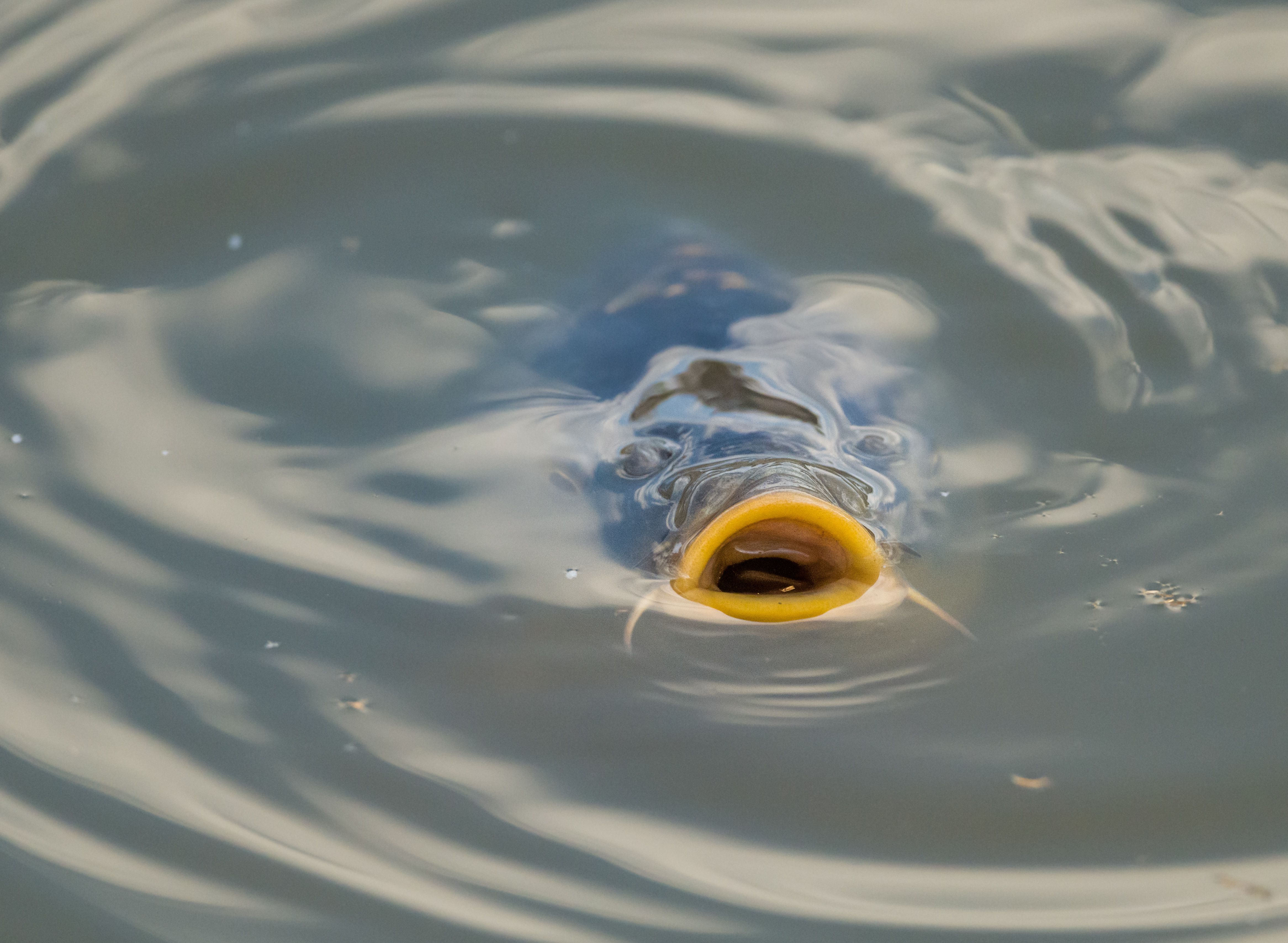
Feeding is one of the most important parts of successful fish farming. Healthy fish need the right type of feed, in the right amount, and at the right time to grow well. Even if you have a well-constructed pond and good-quality fingerlings, poor feeding can lead to slow growth, high production costs, and low profits.
Feed is also one of the biggest expenses in aquaculture. For this reason, every kilogram of feed should be used wisely. Good feeding practices help fish grow faster, improve survival rates, reduce waste, and keep water clean.
Whether you are farming Nile tilapia, African catfish, or other fish species, following the right feeding programme will help you achieve healthier fish and better harvests.
Why Proper Feeding Is Important
Fish need a balanced diet to grow, stay healthy, and resist diseases. Good-quality feed supplies the protein, energy, vitamins, and minerals needed for normal growth and development.
When fish do not receive enough nutrients, they grow slowly, become weak, and are more likely to get sick. On the other hand, feeding too much wastes money and pollutes the water.
Proper feeding helps farmers get the best return from the feed they buy.
Choose High-Quality Fish Feed
The quality of feed has a direct effect on fish growth.
Always buy feed from trusted manufacturers or suppliers with a good reputation. Quality feed should be fresh, free from mould, and contain the nutrients needed for the fish species you are raising.
Read the label before buying and choose feed that is suitable for the age and type of fish on your farm.
Although quality feed may cost more, it often produces faster growth and better results than cheap, poor-quality feed.
Match Feed Size to the Age of the Fish
Fish of different sizes cannot eat the same feed.
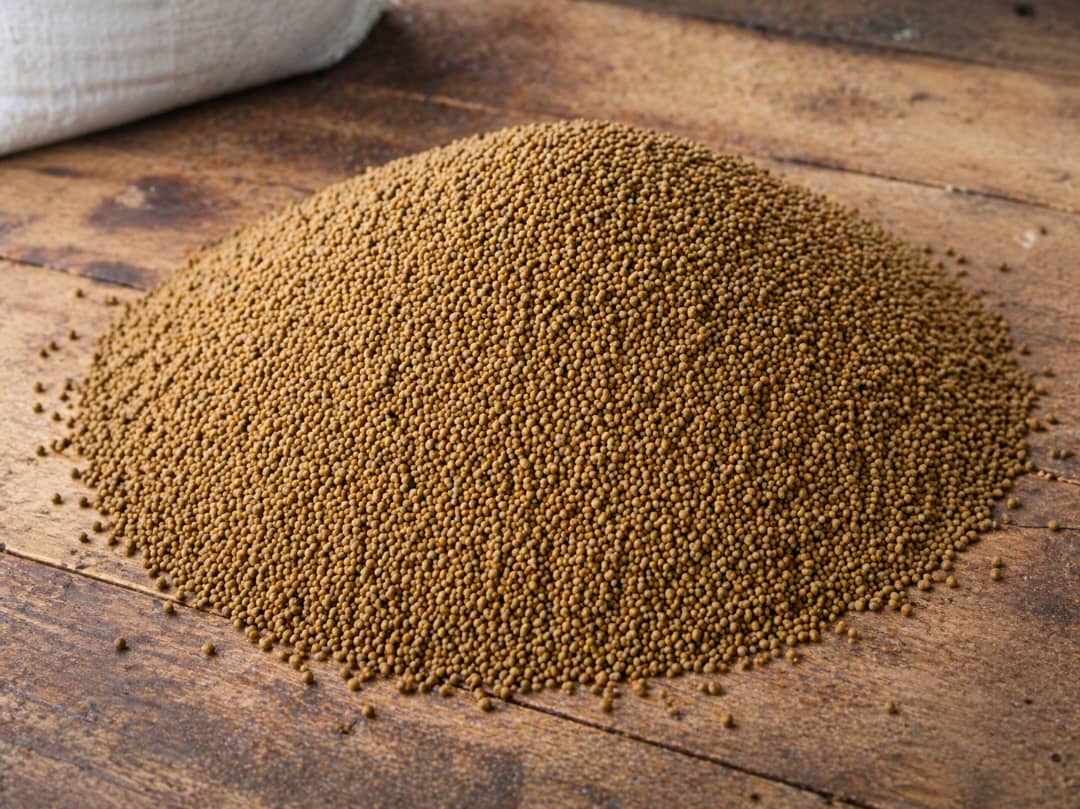
Small fingerlings need tiny feed particles that they can easily swallow, while larger fish require bigger pellets. Feeding pellets that are too large can make it difficult for young fish to eat, while very small pellets may not satisfy older fish.
Using the correct pellet size helps reduce waste and allows fish to feed comfortably.
As fish grow, gradually change to larger feed pellets.
Feed Fish According to Their Growth Stage
Young fish grow very quickly and need to be fed more often than older fish.
Fingerlings usually require several small meals throughout the day because they have small stomachs and high nutritional needs. As fish grow bigger, the number of daily feedings can be reduced while increasing the amount of feed given at each feeding.
Following a feeding programme that matches the growth stage of the fish helps them grow steadily and use feed efficiently.
Feed the Right Amount
Giving too much feed is one of the most common mistakes in fish farming.
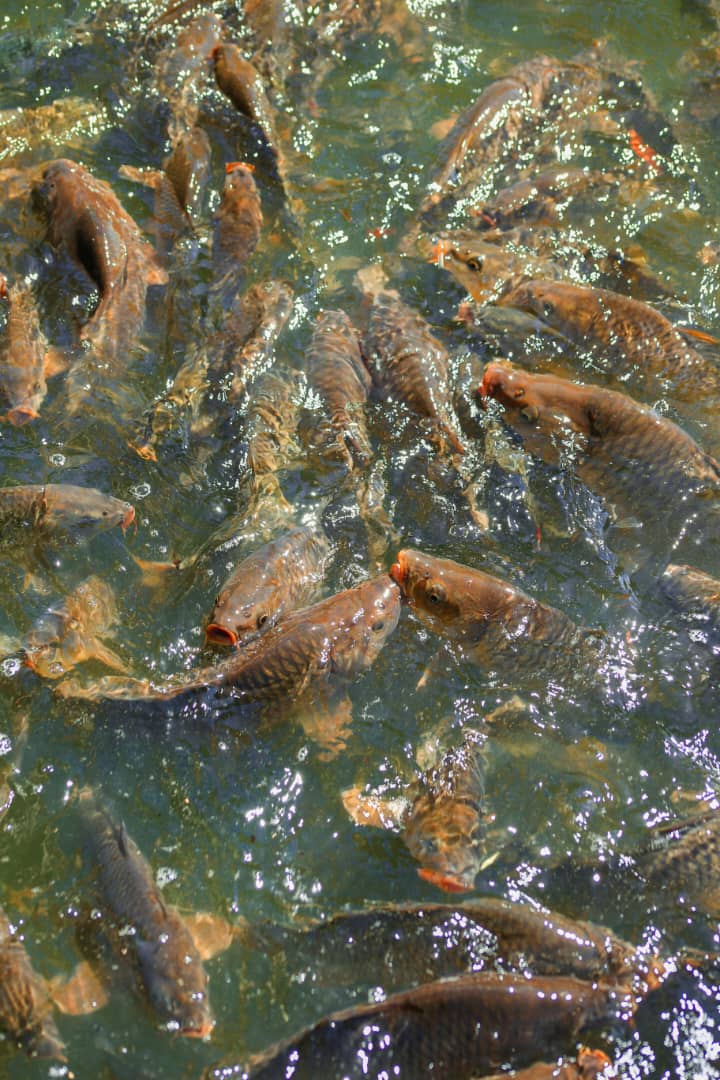
Fish should receive only the amount of feed they can eat within a few minutes. Any feed left floating or sinking to the bottom becomes waste, increasing production costs and reducing water quality.
Watch the fish while they are feeding. If feed remains after the fish stop eating, reduce the amount at the next feeding.
Feeding the correct quantity saves money and keeps the pond healthy.
Feed at the Best Time
Fish feed best when water conditions are favourable.
In most farming systems, feeding during the cooler hours of the morning and late afternoon gives good results because fish are usually more active. Avoid feeding during very hot weather or when oxygen levels are low, as fish may eat less.
Keeping a regular feeding schedule also helps fish become accustomed to feeding times and improves feed intake.
Consistency is an important part of successful fish farming.
Protect Water Quality While Feeding
Good feeding and good water quality go hand in hand.
Overfeeding causes uneaten feed to decay in the pond, leading to poor water quality and increasing the risk of disease. Farmers should remove leftover feed where possible and avoid feeding when water quality is poor.
Observe the pond regularly. If fish are gasping at the surface or showing little interest in feed, check the water conditions before offering more feed.
Clean water allows fish to grow faster and stay healthier.
Monitor Fish Growth
Regularly checking fish growth helps farmers know whether their feeding programme is working.
Sampling a few fish every few weeks allows you to see whether they are gaining weight as expected. If growth is slower than planned, review the feed quality, feeding rate, water quality, and overall pond management.
Keeping simple records of feed used and fish growth also helps farmers make better decisions throughout the production cycle.
Good record keeping improves farm management and profitability.
Common Feeding Mistakes to Avoid
Many fish farmers lose money because of avoidable feeding mistakes.
Some of the most common include:
- Using poor-quality or expired fish feed.
- Feeding more than the fish can eat.
- Giving pellets that are too large or too small.
- Feeding at irregular times.
- Ignoring water quality during feeding.
- Failing to monitor fish growth and adjust feeding as the fish grow.
Avoiding these mistakes helps improve feed efficiency and increases production.
Conclusion
Proper feeding is one of the keys to faster fish growth and successful aquaculture. Choosing high-quality feed, using the correct pellet size, feeding according to the fish’s age, providing the right amount of feed, maintaining good water quality, and monitoring growth all contribute to healthy, fast-growing fish.
Successful fish farmers understand that feeding is not simply about giving fish food. It is about providing the right nutrition at the right time while preventing waste and protecting the pond environment. By following these feeding practices, farmers can improve growth rates, reduce production costs, and achieve higher profits from their fish farming enterprises.
📩 Subscribe to Agronela Insights for expert content on Aquaculture, Crop Production, Livestock & Poultry, Food Nutrition & Health, and Agribusiness.
🌱 Informing, inspiring, and empowering the agricultural community.