


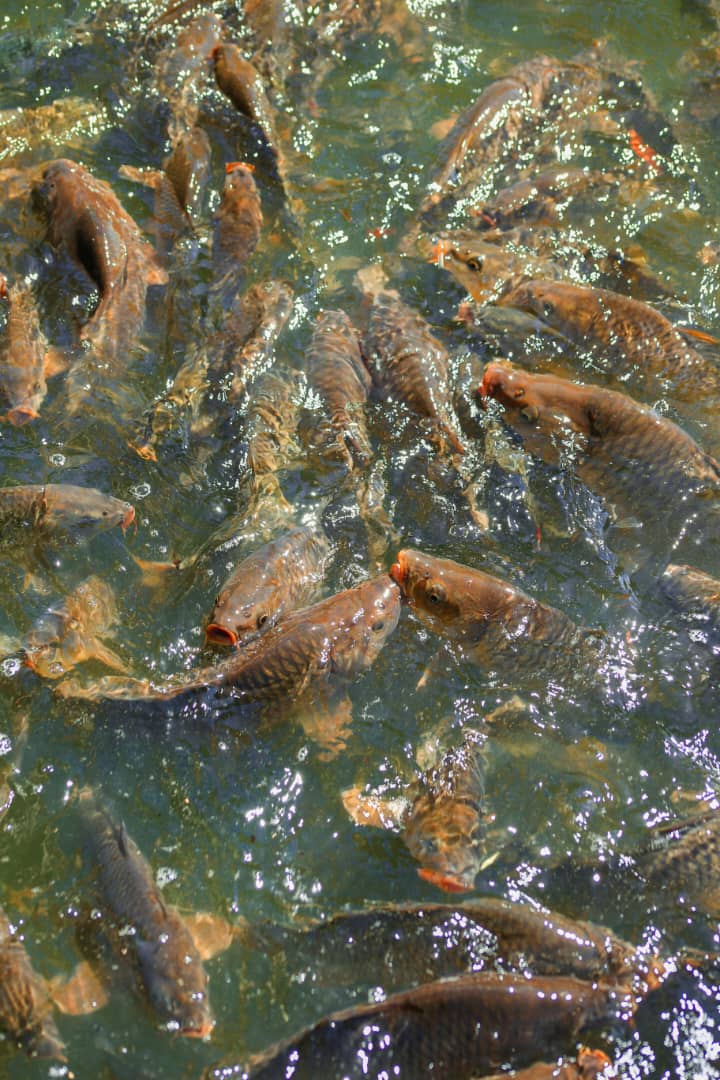
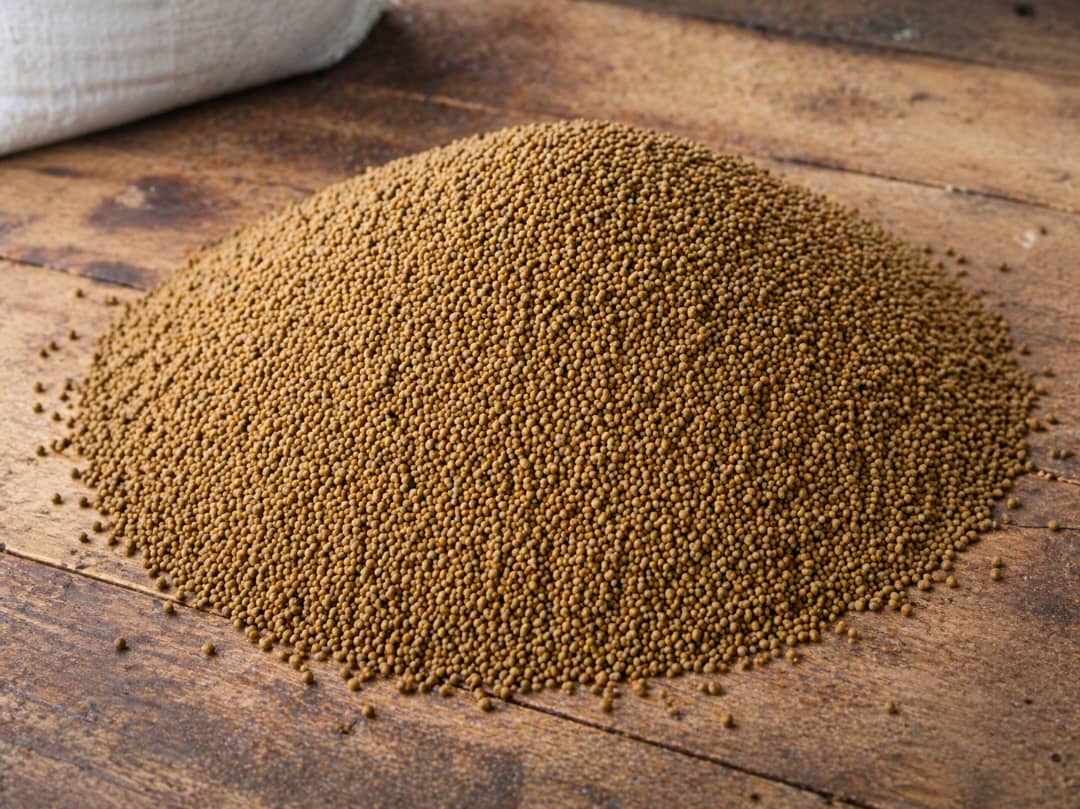
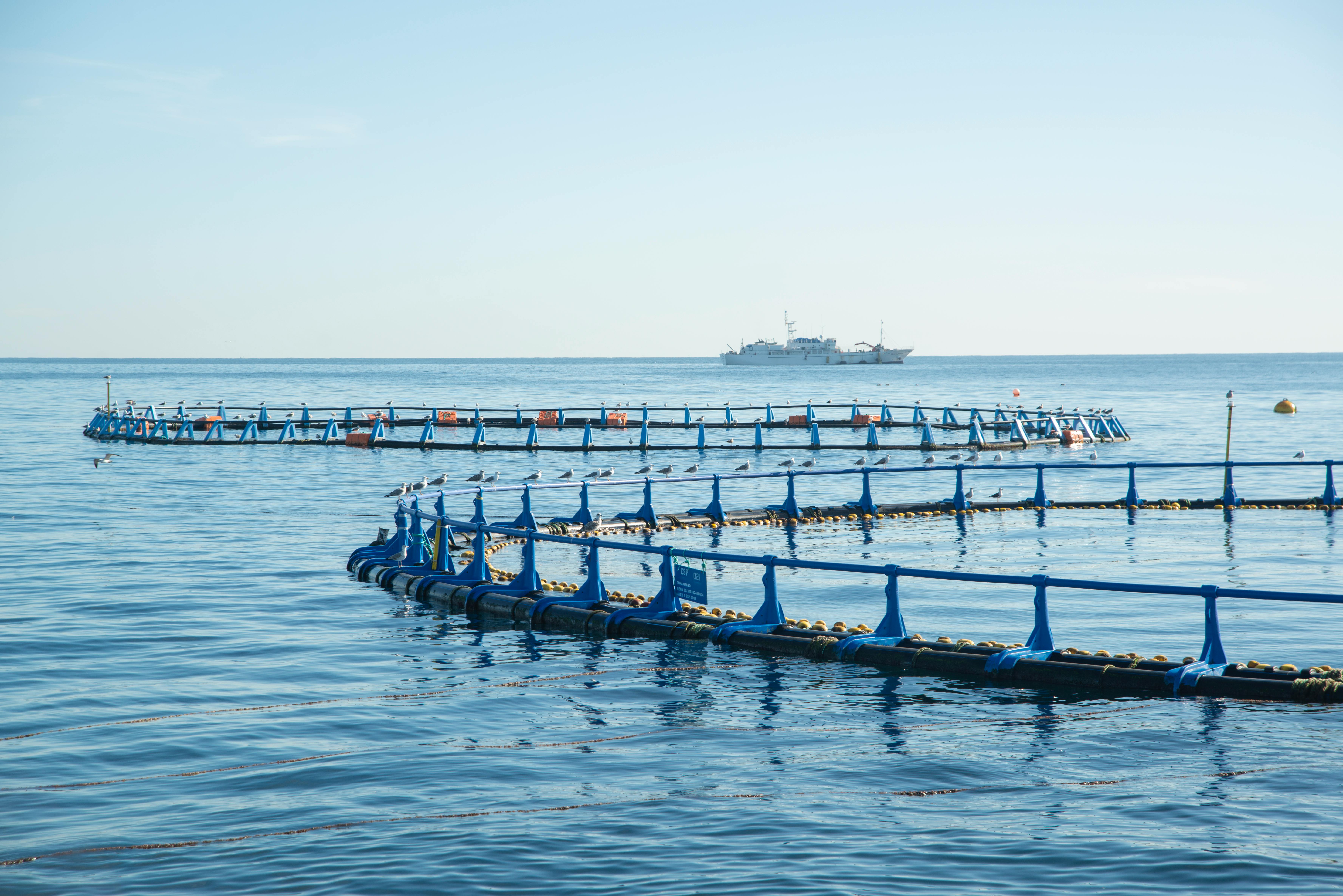
In aquaculture, feed is one of the most important factors that determine the success of a fish farming business. No matter how good the pond is or how healthy the fish are, poor feeding practices can limit growth and reduce profits.
Proper feeding helps fish grow faster, remain healthy, and reach market size within the expected time. For fish farmers, understanding the importance of feeding is essential for achieving good production and higher returns.
Why Feeding Matters in Fish Farming
Just like humans and other farm animals, fish need food to grow and stay healthy.
Feed provides the nutrients fish need for:
- Growth and development.
- Energy.
- Disease resistance.
- Reproduction.
- Overall health.
Without proper nutrition, fish may grow slowly and become more vulnerable to diseases and environmental stress.
Proper Feeding Promotes Faster Growth
One of the biggest benefits of proper feeding is improved growth.
When fish receive enough quality feed, they can:
- Gain weight more efficiently.
- Reach market size faster.
- Develop properly.
- Maintain good health.
Faster growth often means farmers can harvest sooner and potentially increase production cycles.
Healthy Fish Are More Productive
Proper nutrition strengthens fish and helps them resist common health challenges.
Well-fed fish are generally:
- More active.
- Less stressed.
- Better able to fight disease.
- More likely to survive to harvest.
Healthy fish contribute directly to improved farm productivity.
Feed Quality Matters
Not all fish feeds are the same.
Quality feed contains the nutrients fish need at different stages of growth. Using poor-quality feed may save money initially but can result in slower growth and lower production.
Farmers should choose feeds that are suitable for the species and size of fish being raised.
Avoid Overfeeding
Many beginners believe that giving more feed automatically leads to faster growth.
This is not always true.
Overfeeding can:
- Waste feed.
- Increase production costs.
- Pollute pond water.
- Create poor water quality conditions.
Fish should be fed according to recommended feeding rates and schedules.
Avoid Underfeeding
Just as overfeeding can be harmful, underfeeding can also create problems.
Fish that do not receive enough feed may:
- Grow slowly.
- Compete aggressively for food.
- Become weaker.
- Take longer to reach market size.
Providing the right amount of feed is important for maintaining healthy growth.
Feeding at the Right Time
Timing is an important part of successful fish feeding.
Regular feeding schedules help fish develop consistent feeding habits and improve feed utilization.
Farmers who feed fish at appropriate times often achieve better results than those who feed irregularly.
Proper Feeding Improves Feed Efficiency
Feed is often one of the largest expenses in aquaculture.
When feeding is managed properly:
- Less feed is wasted.
- Fish use nutrients more efficiently.
- Production costs are better controlled.
Efficient feeding contributes to improved profitability.
Good Feeding Supports Better Water Quality
Excess feed that remains uneaten can sink to the bottom of ponds and decompose.
This may:
- Reduce water quality.
- Increase stress on fish.
- Create favorable conditions for disease.
Proper feeding practices help maintain a healthier pond environment.
Monitoring Fish During Feeding
Feeding time is also an opportunity to observe fish behavior.
Farmers should watch for:
- Changes in appetite.
- Unusual swimming patterns.
- Signs of illness.
- Uneaten feed.
These observations can help identify problems before they become serious.
Feeding Is an Investment, Not an Expense
Some farmers view feed only as a cost.
In reality, quality feed is one of the most important investments in a fish farming business.
When managed properly, feed contributes directly to:
- Faster growth.
- Better survival rates.
- Improved productivity.
- Higher profits.
Conclusion
Proper feeding is one of the foundations of successful aquaculture. It supports healthy fish, faster growth, better feed efficiency, and improved farm profitability.
Fish farmers who provide quality feed, follow proper feeding schedules, and avoid both overfeeding and underfeeding are more likely to achieve strong production results.
In fish farming, success often begins with what goes into the feeding tray. Proper feeding today can lead to a healthier harvest and greater profits tomorrow.
📩 Subscribe to Agronela Insights and never miss expert agricultural insights, farming innovations, agribusiness opportunities, livestock management tips, crop production guides, and food nutrition updates.
Join our growing community today and stay ahead in the future of agriculture.
🌱 Learn. Innovate. Grow with Agronela Insights.