



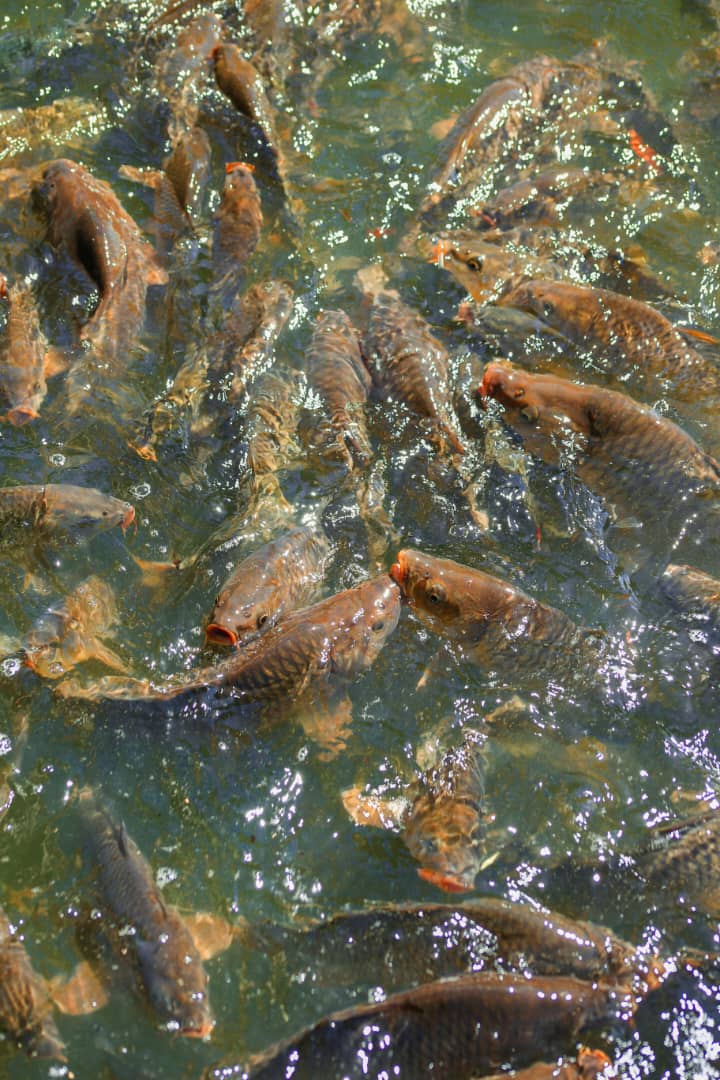
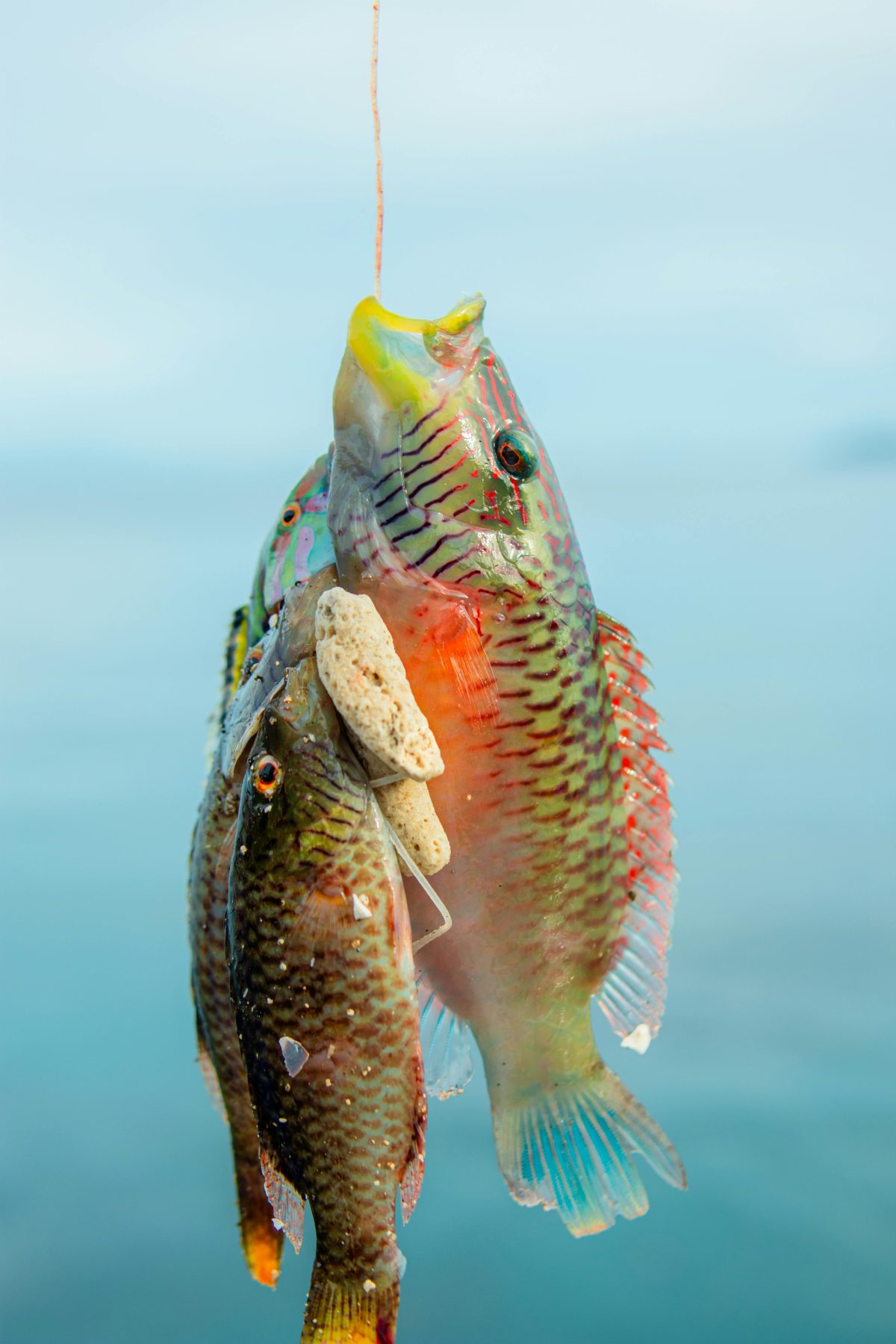


Fish plays an important role in Uganda’s economy, food security, and nutrition. The country’s abundant lakes, rivers, and rapidly growing aquaculture sector provide livelihoods for thousands of people involved in fishing, fish farming, processing, transportation, and marketing. Species such as Nile tilapia, Nile perch, African catfish, and silver fish are widely consumed locally and are also traded within the region and internationally.
Harvesting quality fish is only the first step in delivering safe and valuable products to consumers. Without proper processing and handling, fish can spoil quickly because it is highly perishable. Effective fish processing helps preserve quality, reduce post-harvest losses, improve food safety, and increase the value of fish products.
As demand for fish continues to grow, adopting improved processing techniques has become increasingly important for farmers, processors, traders, and exporters seeking to supply high-quality products and remain competitive in the market.
Uganda’s Fisheries and Aquaculture Sector
Uganda is one of Africa’s leading fish-producing countries, supported by major water bodies such as Lake Victoria, Lake Kyoga, Lake Albert, Lake Edward, and numerous rivers and wetlands. In addition to capture fisheries, aquaculture has expanded significantly over the past two decades, with many farmers producing Nile tilapia and African catfish in ponds, cages, and tank systems.
The growth of fish farming has increased the availability of fish for processing while creating new business opportunities throughout the value chain. Processing has become an essential link between production and the consumer, helping maintain product quality and extending shelf life.
Why Fish Processing Is Important
Fresh fish begins to deteriorate soon after harvest if it is not handled properly.
Processing slows spoilage, preserves nutritional value, and allows fish to be stored and transported over longer distances. It also reduces food waste, improves food security, and enables producers to access markets that require processed products.
In addition to preserving fish, processing creates employment opportunities in harvesting, transportation, packaging, marketing, and retail. It also increases the value of fish, allowing producers and processors to earn higher incomes from the same harvest.
Well-processed fish meets consumer expectations for quality, safety, and convenience.
Common Fish Processing Methods in Uganda
Several fish processing methods are widely used depending on the fish species, market requirements, and available facilities.
Smoking is one of the oldest and most common preservation methods. Smoke removes moisture from the fish while adding a distinctive flavor and extending shelf life. Properly smoked fish can be stored much longer than fresh fish when kept under suitable conditions.
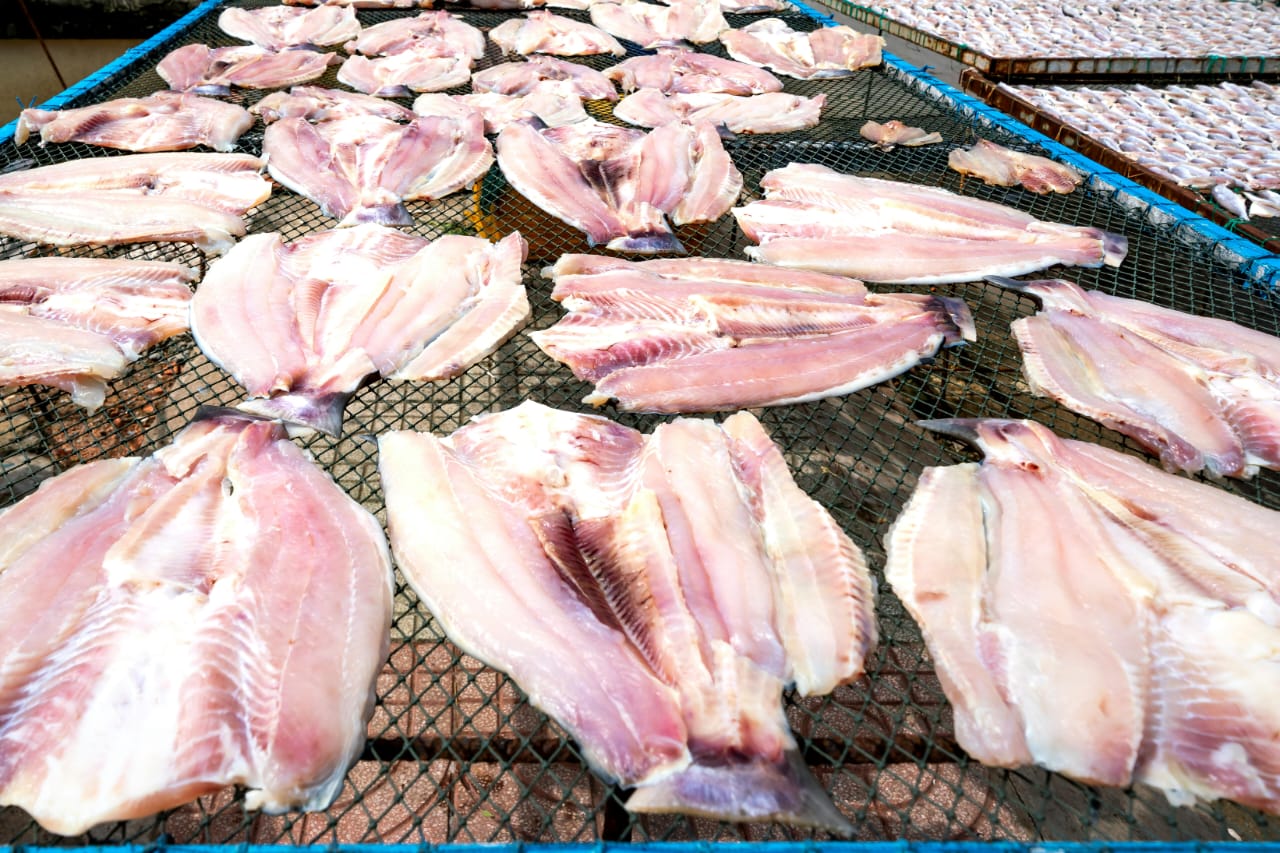
Sun drying is another widely practiced method, particularly for small fish species. Fish are dried under sunlight until sufficient moisture has been removed to reduce spoilage. Drying requires clean drying surfaces and protection from dust, insects, and animals.
Salting helps preserve fish by reducing the amount of water available for microbial growth. In many cases, salting is combined with drying to further improve shelf life.
Frying is commonly used for fish sold in local markets and restaurants. Proper frying improves flavor while reducing moisture that may encourage spoilage, although fried products generally have a shorter shelf life than dried or smoked fish.
Chilling and freezing are modern preservation methods that maintain freshness and nutritional quality by slowing or stopping the growth of spoilage microorganisms. Cold storage has become increasingly important for supplying supermarkets, hotels, restaurants, and export markets.
Each processing method has advantages, and the choice depends on the intended market, available equipment, and desired shelf life.
Quality Control and Food Safety
Producing safe fish products requires good hygiene throughout the processing chain.
Fish should be handled carefully immediately after harvest to minimize contamination and physical damage. Processing equipment, working surfaces, water supplies, and storage facilities should be kept clean at all times.
Workers should follow good personal hygiene practices and ensure processed products are protected from dust, insects, rodents, and other sources of contamination.
Maintaining proper temperature control during chilling or freezing is equally important for preserving freshness and preventing spoilage.
High standards of quality control improve consumer confidence and increase access to premium markets.
Value Addition and Market Opportunities
Fish processing offers opportunities to increase the value of fish beyond selling it fresh.
Products such as smoked fish, dried fish, fillets, frozen fish, fish sausages, fish powder, and ready-to-cook products often attract higher prices and reach a wider range of consumers. Attractive packaging, proper labeling, and consistent product quality further improve market competitiveness.
As urban populations continue to grow and consumer preferences change, demand for convenient, high-quality fish products is expected to increase.
Value addition allows producers and processors to diversify their income while reducing dependence on fresh fish markets alone.
Challenges Facing Fish Processors
Despite the progress made in Uganda’s fisheries sector, fish processors continue to face several challenges.
Limited access to modern processing equipment, unreliable electricity for cold storage, inadequate transportation, post-harvest losses, fluctuating market prices, and inconsistent product quality remain important concerns. Some small-scale processors also face difficulties meeting food safety standards required by high-value markets.
Climate variability, rising production costs, and limited access to finance can further affect the profitability of fish processing enterprises.
Addressing these challenges will require continued investment in infrastructure, training, technology, and quality management systems.
Recommendations for Improving Fish Processing
Improving fish processing requires a combination of better technology and stronger management practices.
Processors should invest in improved smoking kilns, hygienic drying facilities, reliable cold storage, and appropriate packaging materials where possible. Continuous training in food safety, quality assurance, and post-harvest handling can also improve product quality and reduce losses.
Strengthening farmer and processor organizations, improving access to markets, and promoting value-added fish products can further increase the competitiveness of Uganda’s fisheries and aquaculture sector.
Small improvements made throughout the processing chain can have a significant impact on product quality and profitability.
Conclusion
Fish processing is an essential part of Uganda’s fisheries and aquaculture industry. By preserving fish, reducing post-harvest losses, improving food safety, and creating opportunities for value addition, processing contributes significantly to food security, employment, and economic development.
Whether through smoking, drying, salting, frying, or modern cold storage technologies, proper processing helps ensure that fish reaches consumers in a safe and high-quality condition. Farmers, processors, and traders who adopt good processing practices are better positioned to meet market demands and increase the value of their products.
As Uganda’s fisheries and aquaculture sector continues to grow, investing in improved fish processing methods, stronger quality control, and value-added products will play an increasingly important role in building a competitive, sustainable, and profitable fish industry.