


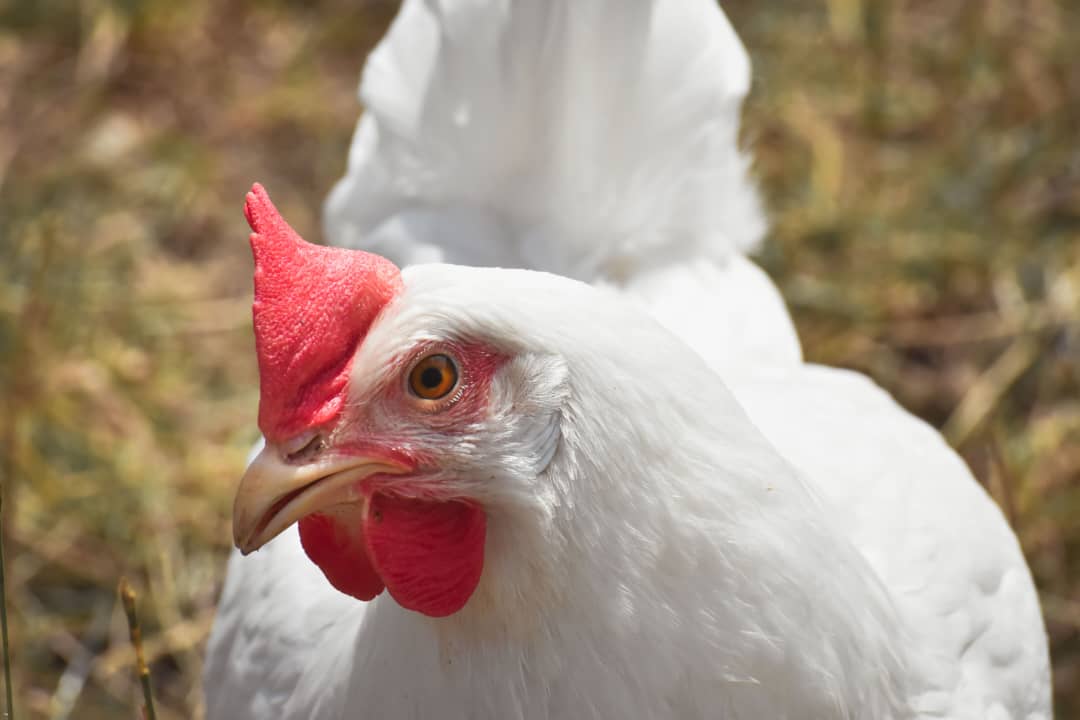
Broiler chicken farming is one of the fastest-growing livestock enterprises worldwide due to the increasing demand for poultry meat. Broilers are specifically bred for rapid growth and efficient feed conversion, allowing farmers to produce market-ready birds within a relatively short period. However, achieving high growth rates and good profitability requires more than simply providing feed and water.
Successful broiler production depends on proper planning, quality chicks, balanced nutrition, suitable housing, effective disease prevention, and careful day-to-day management. Even small mistakes during the production cycle can reduce growth, increase feed costs, and lower overall profitability.
By following recommended management practices, farmers can raise healthy broilers that reach market weight efficiently while minimizing production losses.
Start with Healthy Day-Old Chicks
Every successful broiler flock begins with healthy chicks.
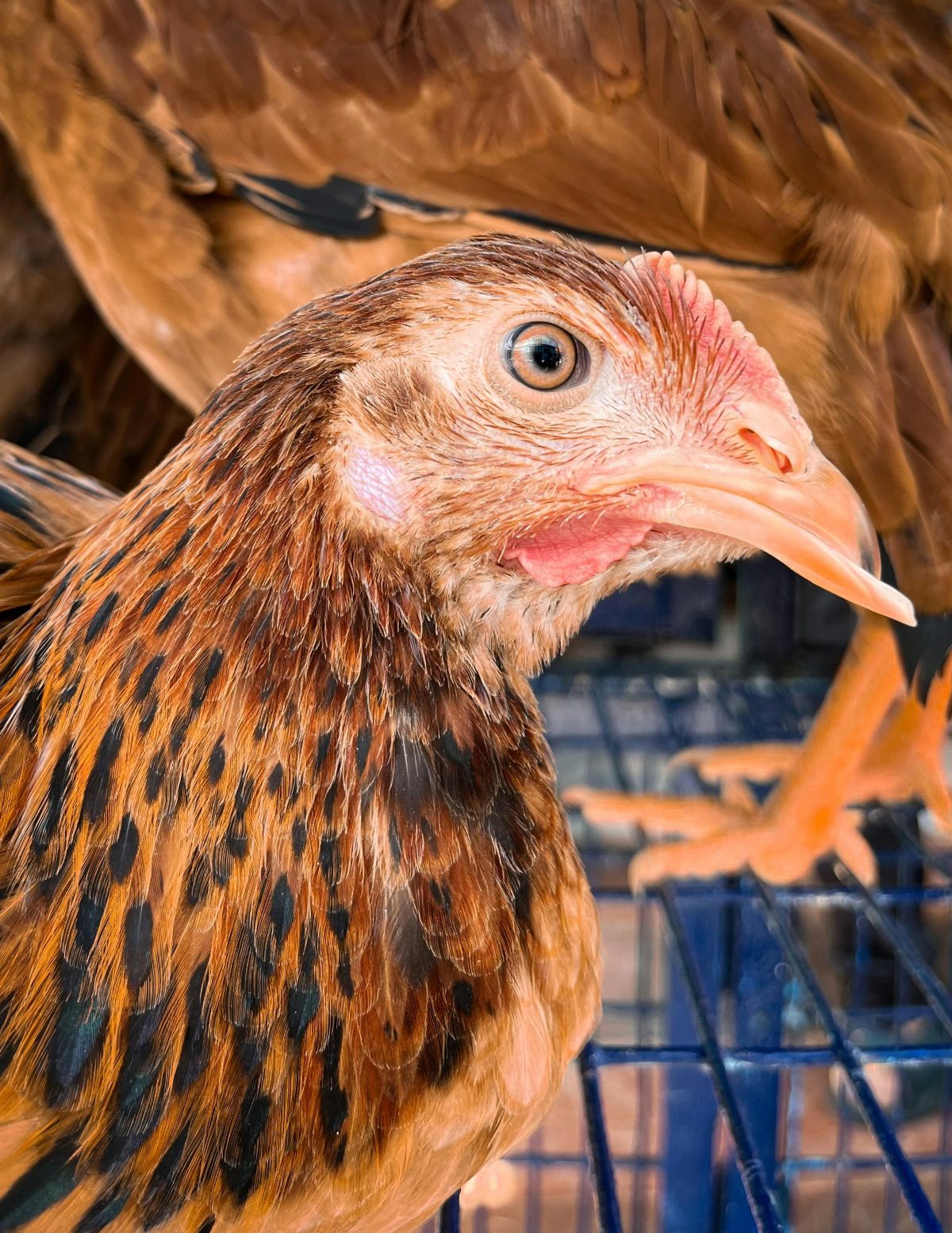
Farmers should purchase day-old chicks from reputable hatcheries known for producing vigorous, disease-free birds. Healthy chicks are active, alert, have bright eyes, clean feathers, and show no signs of weakness or deformities.
Before the chicks arrive, the poultry house should already be cleaned, disinfected, and fully prepared with fresh litter, feeders, drinkers, and a reliable heat source. Proper preparation reduces stress during the first few days, which are critical for future growth.
A strong start lays the foundation for high performance throughout the production cycle.
Provide Suitable Housing
Broilers require a clean, comfortable, and well-ventilated environment to grow efficiently.
The poultry house should protect birds from extreme weather, predators, and excessive moisture while allowing fresh air to circulate. Good ventilation removes excess heat, moisture, and harmful gases without exposing the birds to strong drafts.
Dry, clean litter should be maintained throughout the production period. Wet or dirty litter encourages disease, reduces bird comfort, and can lead to foot problems that affect growth.
Providing adequate space also helps reduce stress and allows birds easy access to feed and water.
Feed for Maximum Growth
Nutrition is the single most important factor influencing broiler performance.
Broilers require balanced diets that match their stage of growth. Starter feed supports early development, grower feed promotes rapid body growth, and finisher feed prepares birds for market weight.
Feed should always be fresh, clean, and available in sufficient quantities. Farmers should ensure that every bird has easy access to feed, as uneven feeding often results in differences in body weight across the flock.
Clean drinking water must also be available at all times because water intake directly influences feed consumption and growth.
Maintain Good Health and Biosecurity
Preventing disease is far more effective than treating sick birds.
Good biosecurity begins with limiting unnecessary visitors, cleaning and disinfecting equipment, and preventing contact between the flock and wild birds or other animals. Farmers should also remove dead birds promptly and dispose of them safely.
Routine vaccination and regular health monitoring help protect broilers against common poultry diseases. Birds should be observed daily for changes in appetite, activity, breathing, or growth, as early detection allows problems to be addressed before they spread throughout the flock.
Healthy birds grow faster, convert feed more efficiently, and produce higher-quality meat.
Monitor Growth and Environmental Conditions
Rapid growth requires continuous attention to both the birds and their environment.
Farmers should regularly check temperature, ventilation, lighting, and stocking density to ensure birds remain comfortable throughout the production cycle. Young chicks require additional warmth during their first weeks of life, while older birds benefit from good airflow that prevents overheating.
Monitoring body weight at regular intervals helps farmers determine whether birds are growing according to expectations. If growth slows, management practices such as feeding, water supply, or environmental conditions should be reviewed promptly.
Consistent monitoring allows small problems to be corrected before they become major production losses.
Avoid Common Management Mistakes
Many cases of poor broiler performance result from preventable management errors rather than poor genetics.
Some of the most common mistakes include:
- Overcrowding birds in the poultry house.
- Providing poor-quality or insufficient feed.
- Allowing drinkers to become dirty or run dry.
- Poor ventilation that leads to excessive heat or moisture.
- Delaying the detection and treatment of health problems.
Avoiding these mistakes helps maintain healthy birds and supports steady, efficient growth throughout the production cycle.
Harvesting and Marketing
Broilers should be marketed when they have reached the desired weight and meet customer requirements. Delaying marketing beyond the optimal period increases feed costs while offering little additional economic benefit.
Birds should be handled gently during catching and transportation to minimize stress and injuries that may reduce meat quality.
Farmers who plan their marketing in advance are better positioned to secure reliable buyers and achieve favorable prices for their products.
Conclusion
Successful broiler production depends on a combination of good management practices rather than any single factor. Healthy chicks, suitable housing, balanced nutrition, clean water, effective disease prevention, and careful daily monitoring all contribute to rapid growth and improved profitability.
Farmers who pay close attention to every stage of production are more likely to achieve high survival rates, efficient feed conversion, and market-ready birds within the expected production period.
As demand for poultry meat continues to grow, adopting best management practices will enable broiler farmers to improve productivity, reduce production costs, and build sustainable and profitable poultry enterprises.
📩 Subscribe to Agronela Insights for expert content on Aquaculture, Crop Production, Livestock & Poultry, Food Nutrition & Health, and Agribusiness.
🌱 Informing, inspiring, and empowering the agricultural community.