





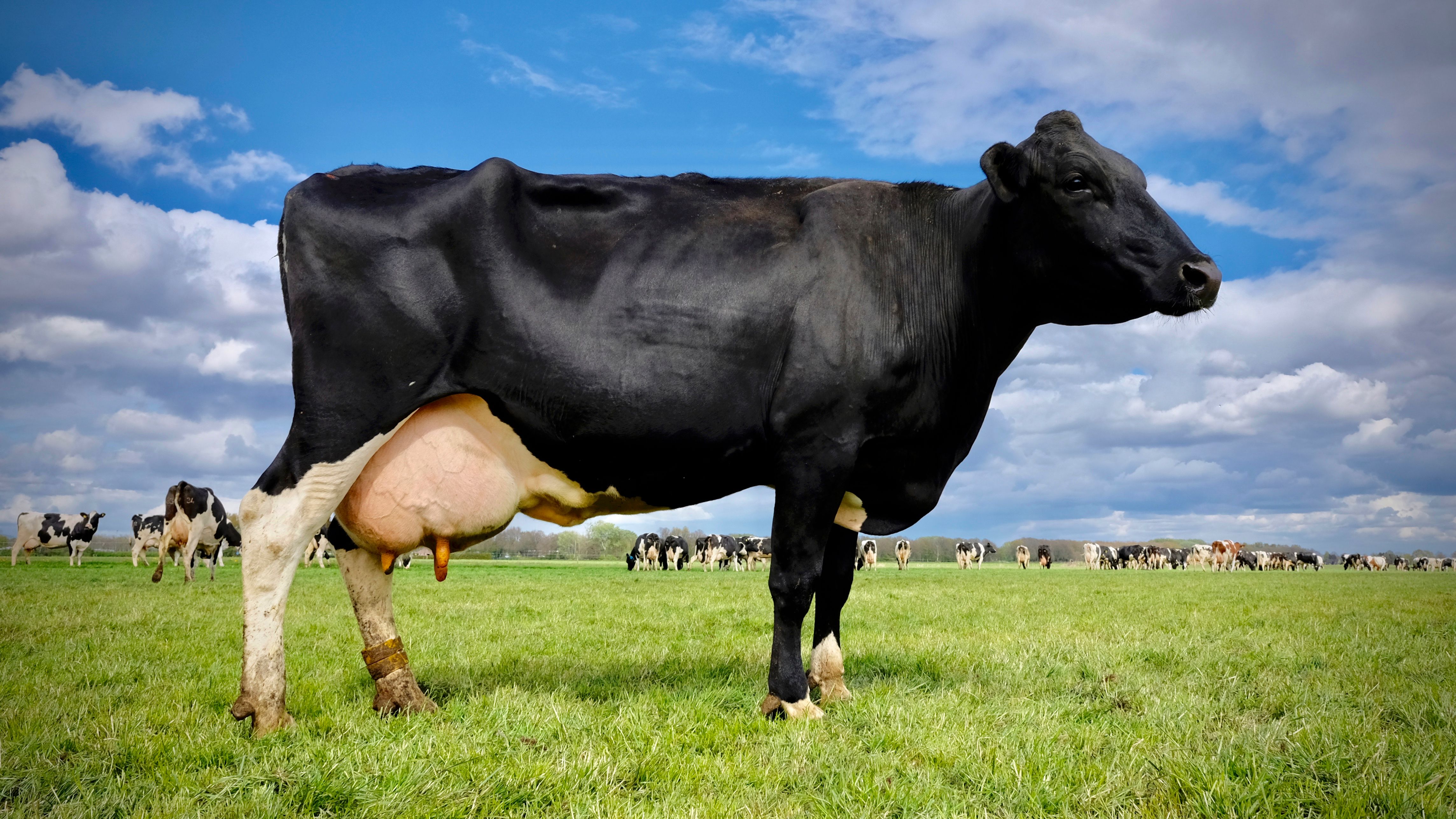
Dairy farming is an important agricultural activity that provides nutritious food, income, and employment opportunities for many farming communities. For dairy farmers, milk production is the main source of revenue, making the ability to maintain and improve milk yield essential for a profitable enterprise.
However, high milk production does not happen by chance. It depends on several factors working together, including proper feeding, good animal health management, comfortable housing, quality breeding, and careful daily management.
Many farmers focus only on increasing the amount of feed given to cattle, but milk production is influenced by the overall condition of the animal. A healthy, well-managed cow will naturally perform better and produce milk more efficiently.
Understanding and applying the right management practices can help dairy farmers improve milk production while maintaining healthy and productive animals.
Provide a Balanced and Nutritious Diet
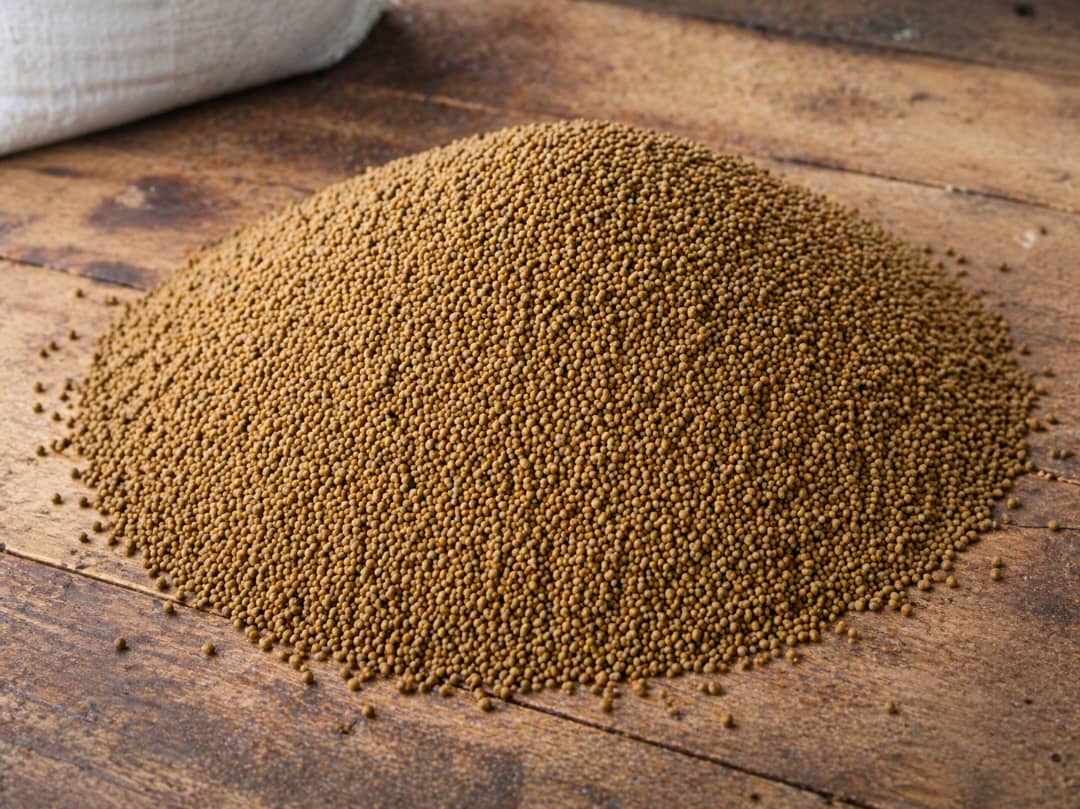
Feed is one of the most important factors affecting milk production. A dairy cow requires adequate nutrients to support both her body maintenance and milk production.
Cows that do not receive enough nutrients may lose body condition, produce less milk, and become more vulnerable to diseases. On the other hand, providing a balanced diet helps support consistent milk production and improves overall animal performance.
A good dairy feeding program should include quality forage such as grass, hay, or silage, along with appropriate supplements that provide additional nutrients. Clean drinking water should also always be available because milk production requires large amounts of water.
Farmers should remember that increasing feed quantity alone does not guarantee more milk. The quality and balance of the diet are equally important.
Maintain Proper Water Supply
Water is often overlooked, yet it is one of the most important requirements for dairy cattle.
Milk contains a high percentage of water, meaning cows need sufficient water intake to maintain production. When water availability is limited, cows may reduce feed intake and milk yield can decline.
Farmers should ensure that cattle have access to clean and fresh water throughout the day. During hot weather, water requirements increase because animals lose more fluids through body temperature regulation.
Providing good-quality water is one of the simplest ways to support better milk production.
Improve Cow Health Through Disease Prevention
Healthy cows produce more milk than sick animals.
Diseases, parasites, and infections can significantly reduce milk yield by affecting appetite, digestion, and overall body condition. Some health problems may also affect milk quality and increase treatment costs.
Preventive health management is therefore essential. Farmers should maintain regular vaccination programs, control parasites, observe animals for early signs of illness, and seek veterinary support when necessary.
A healthy cow is not only more productive but also more profitable over her lifetime.
Provide Comfortable Housing Conditions
The environment where cattle live has a major influence on milk production.
Cows experiencing excessive heat, overcrowding, poor ventilation, or uncomfortable resting areas may experience stress. Heat stress, in particular, can reduce feed intake and significantly lower milk production.
Good dairy housing should provide enough space, proper airflow, protection from extreme weather, and clean resting areas.
Comfortable cows spend more time eating, resting, and producing milk, which directly contributes to better farm performance.
Practice Good Milking Management
The way cows are milked can affect both milk yield and quality.
Farmers should maintain clean milking practices to reduce contamination and prevent infections such as mastitis, a common disease of the udder that affects milk production.
Milking should be done consistently at the same times each day because cows respond well to routine. Proper handling during milking also reduces stress and encourages better milk let-down.
Good hygiene protects the cow’s health and ensures consumers receive safe, high-quality milk.
Select High-Performing Breeding Stock
Genetics play an important role in determining milk production potential.
Some cattle breeds and individual animals naturally have a higher ability to produce milk than others. Farmers seeking long-term improvement should consider selecting breeding animals with good milk production history and desirable traits.
However, genetics alone cannot guarantee high production. Even the best dairy cows require proper feeding, health care, and management to reach their potential.
Combining good genetics with excellent management produces the best results.
Manage Cow Reproduction Effectively
Reproductive management is closely connected to dairy productivity.
A cow that maintains a healthy reproductive cycle can produce calves and continue providing milk efficiently. Delayed breeding, reproductive diseases, or poor management can reduce the profitability of a dairy enterprise.
Farmers should monitor reproductive performance, identify heat signs, and seek assistance when breeding challenges occur.
Efficient reproduction ensures a steady supply of productive animals within the herd.
Keep Accurate Farm Records
Record keeping is a valuable tool for improving dairy farm performance.
By recording milk production, feeding practices, health problems, breeding information, and expenses, farmers can identify what is working and where improvements are needed.
Without records, it becomes difficult to measure progress or make informed decisions.
Professional dairy farmers use records to manage their herds more effectively and increase profitability over time.
Reduce Stress and Handle Animals Carefully
Animal behavior and handling practices can influence milk production.
Rough handling, unnecessary movement, and stressful environments can affect cow behavior and reduce productivity. Cattle that are treated calmly are usually easier to manage and perform better.
Creating a low-stress environment improves animal welfare while supporting consistent milk production.
Good dairy farming is not only about producing more milk; it is also about maintaining healthy and comfortable animals.
Conclusion
Improving milk yield in dairy cattle requires a complete approach that considers nutrition, health, housing, breeding, and daily management. There is no single solution that dramatically increases production overnight.
Farmers who focus on providing balanced feed, clean water, disease prevention, comfortable housing, and proper milking practices create the conditions needed for cows to perform at their best.
Successful dairy farming is built on consistency and attention to detail. By applying these best practices, farmers can increase milk production, improve profitability, and maintain healthier herds for long-term success.
📩 Subscribe to Agronela Insights and never miss expert agricultural insights, farming innovations, agribusiness opportunities, livestock management tips, crop production guides, and food nutrition updates.
Join our growing community today and stay ahead in the future of agriculture.
🌱 Learn. Innovate. Grow with Agronela Insights.