



Best Feeds and Grasses for Dairy Cattle: How to Increase Milk Production Naturally
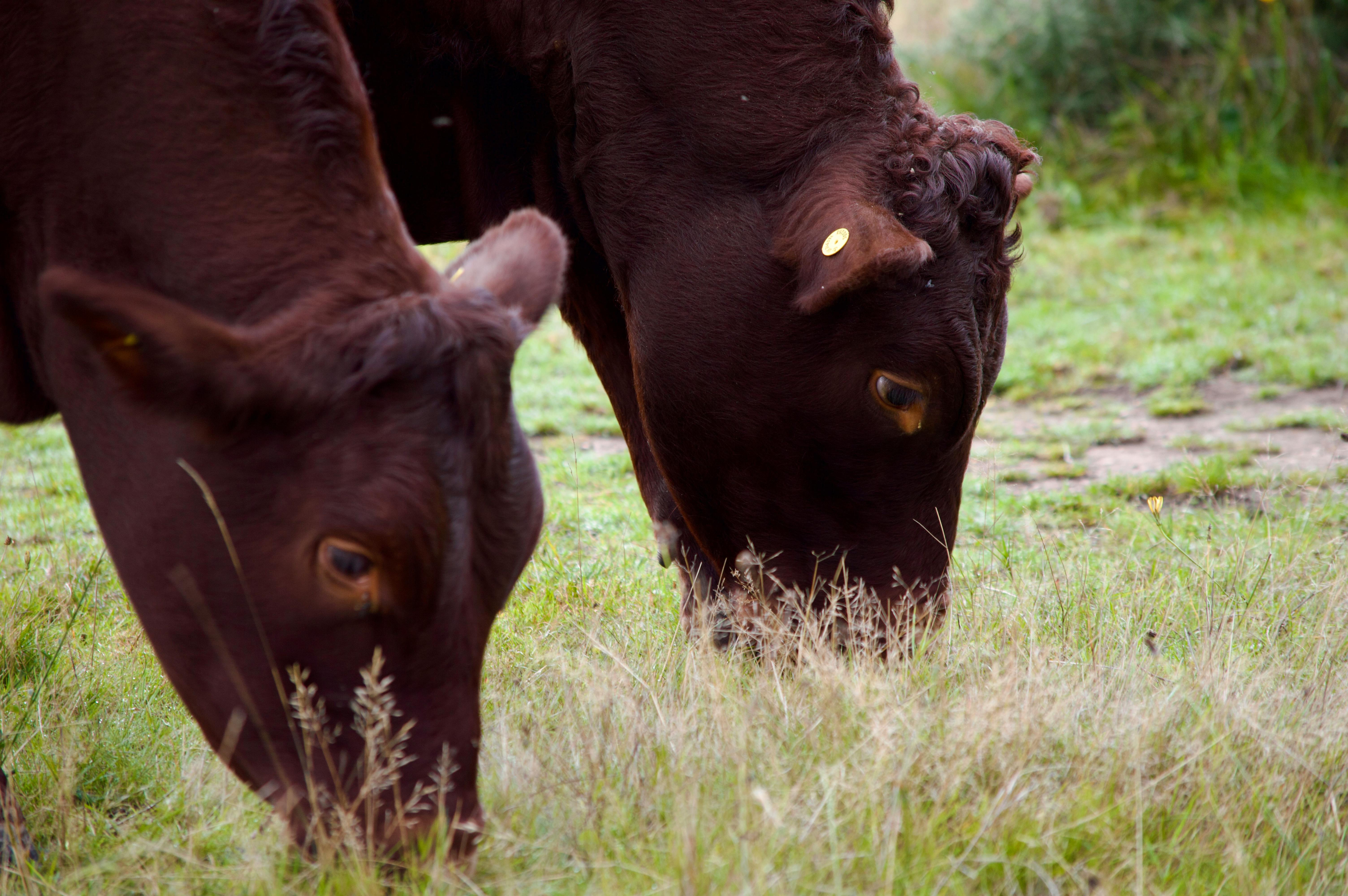
Feeding is one of the most important factors that determine how much milk a dairy cow produces. Even cows with excellent genetics cannot reach their full milk-producing potential if they do not receive enough nutritious feed. On many dairy farms, low milk production is often linked to poor feeding rather than poor breeds.
A balanced diet provides the energy, protein, vitamins, and minerals that cows need to produce milk, maintain good body condition, and stay healthy. Choosing the right grasses, legumes, conserved feeds, and supplements can significantly improve milk yields while reducing unnecessary feeding costs.
By using locally available feeds and following good feeding practices, dairy farmers can increase milk production naturally and build a more profitable dairy enterprise.
Why Nutrition Is Important for Milk Production
A dairy cow uses large amounts of nutrients every day to produce milk. If the nutrients supplied through feed are not enough, milk production will decline, and the cow may lose body weight.
Proper nutrition also supports healthy digestion, strong immunity, good fertility, and faster recovery after calving. Well-fed cows are generally healthier, produce milk for longer periods, and are less likely to develop nutritional disorders.
Providing the right feed every day is one of the best investments a dairy farmer can make.
What Makes a Good Dairy Feed?
High-quality dairy feeds should be fresh, clean, and free from mould, dust, or harmful substances. They should provide enough energy, protein, fibre, vitamins, and minerals to meet the cow’s daily needs.
Good feeds are also easy for cattle to digest and should be offered in sufficient quantities throughout the year. Mixing different types of feeds often provides a more balanced diet than relying on a single feed source.
A varied diet helps cows stay healthy and maintain consistent milk production.
Best Grasses for Dairy Cattle
Good-quality grasses form the foundation of most dairy feeding programmes.
Napier grass is one of the most popular dairy forages because it produces high yields and grows well under good management. When harvested at the right stage, it provides nutritious feed that supports milk production.
Brachiaria grass is valued for its high nutritional quality, good drought tolerance, and ability to remain productive under different conditions.
Rhodes grass is widely grown for both grazing and hay production. It is highly palatable and performs well when harvested before it becomes too mature.
Guinea grass is another excellent forage that grows vigorously and provides good-quality feed for dairy cattle.
To obtain the best results, grasses should be harvested while they are still young and leafy, before they become coarse and fibrous.
Best Legumes for Dairy Cattle
Legumes are rich in protein and complement grasses very well.
Lucerne, also known as alfalfa, is one of the best protein-rich forages for dairy cows. It supports milk production and improves the overall quality of the diet.
Desmodium is another valuable legume that mixes well with grasses and increases the protein content of forage.
Calliandra is a tree legume whose leaves can be fed as a protein supplement, especially during the dry season when pasture quality declines.
Including legumes in the feeding programme improves nutrition and often increases milk yield without greatly increasing feeding costs.
Use Hay and Silage During Feed Shortages
Fresh pasture is not always available throughout the year, especially during long dry seasons.
Hay is made by drying grasses or legumes while they still have good nutritional value. When stored properly, it provides quality feed during periods when fresh grass is scarce.
Silage is produced by storing chopped green forage in airtight conditions. Well-made silage retains much of its nutritional value and provides a reliable source of feed when pasture growth is limited.
Preparing hay and silage before the dry season helps ensure that cows continue receiving adequate nutrition all year round.
Provide Concentrates and Mineral Supplements
High-producing dairy cows often require more nutrients than forage alone can provide.
Concentrate feeds such as dairy meal, maize bran, cottonseed cake, sunflower seed cake, and other balanced commercial feeds supply extra energy and protein needed for higher milk production.
Mineral supplements are equally important because they provide nutrients required for healthy bones, reproduction, and milk production. Salt licks or specially formulated mineral blocks can help meet these needs.
Supplements should be used alongside good-quality forage rather than replacing it.
Never Underestimate the Importance of Clean Water
Water is one of the most important nutrients for dairy cattle.
Milk contains a large amount of water, so cows must drink enough every day to maintain good milk production. If clean water is limited, milk yield can decline quickly even when feed quality is good.
Provide fresh, clean drinking water at all times and clean water troughs regularly to prevent contamination.
Healthy cows with constant access to water are more productive and less likely to suffer from dehydration.
Common Feeding Mistakes That Reduce Milk Production
Many dairy farmers unknowingly reduce milk production through poor feeding practices.
Some common mistakes include:
- Feeding poor-quality or overmature grass.
- Failing to provide enough protein-rich feeds.
- Changing feeds suddenly instead of gradually.
- Not providing enough clean drinking water.
- Allowing long periods without feed.
- Ignoring the need for mineral supplementation.
Correcting these simple mistakes can lead to noticeable improvements in milk production and animal health.
Conclusion
Good feeding is the foundation of successful dairy farming. Providing nutritious grasses such as Napier, Brachiaria, Rhodes, and Guinea grass, together with protein-rich legumes like lucerne, Desmodium, and Calliandra, helps cows produce more milk while remaining healthy.
Conserved feeds such as hay and silage ensure that quality feed is available during dry seasons, while concentrate feeds, mineral supplements, and clean water provide the extra nutrients needed for high milk production.
By focusing on balanced nutrition and avoiding common feeding mistakes, dairy farmers can naturally increase milk yields, improve herd health, and build a more productive and profitable dairy enterprise.