



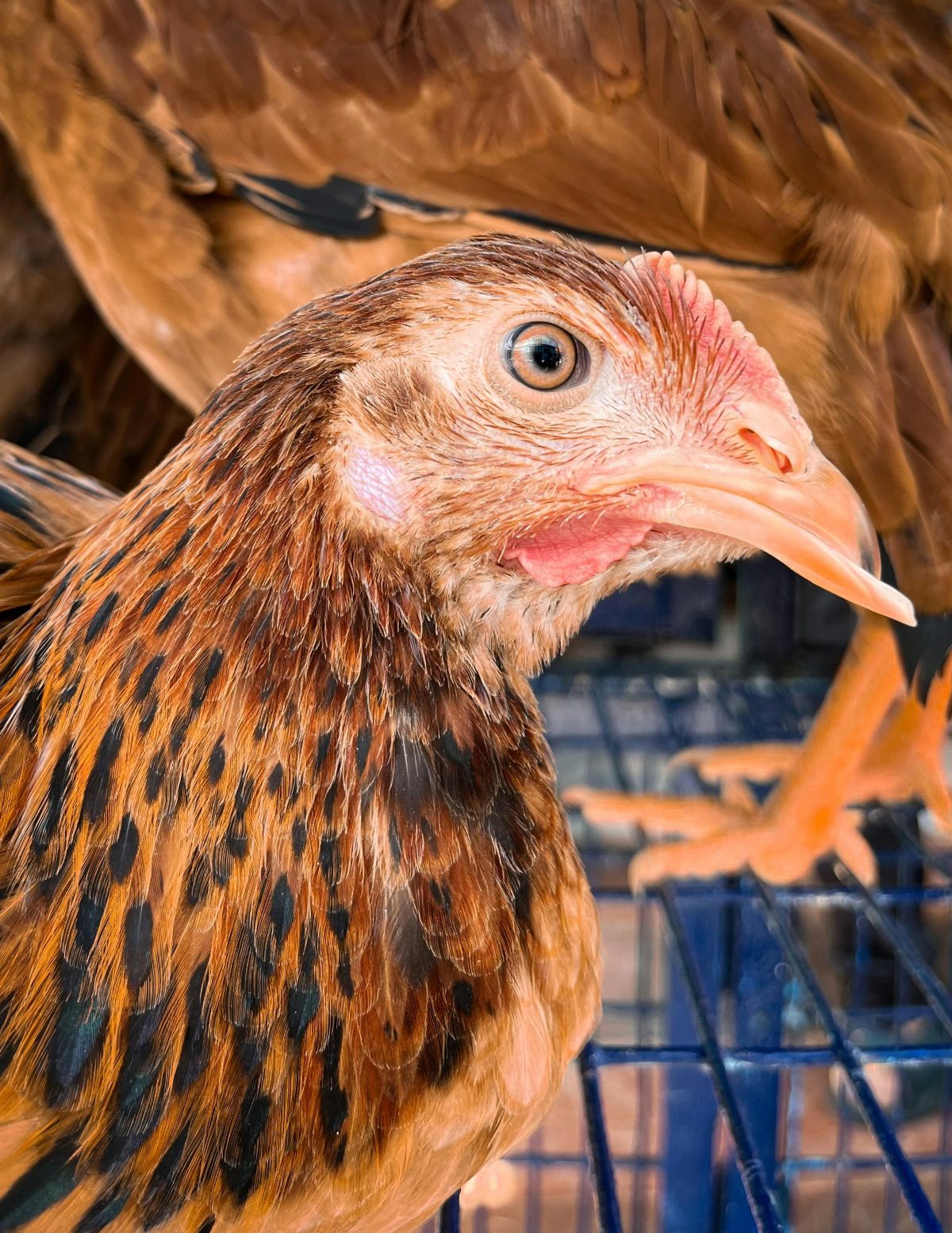

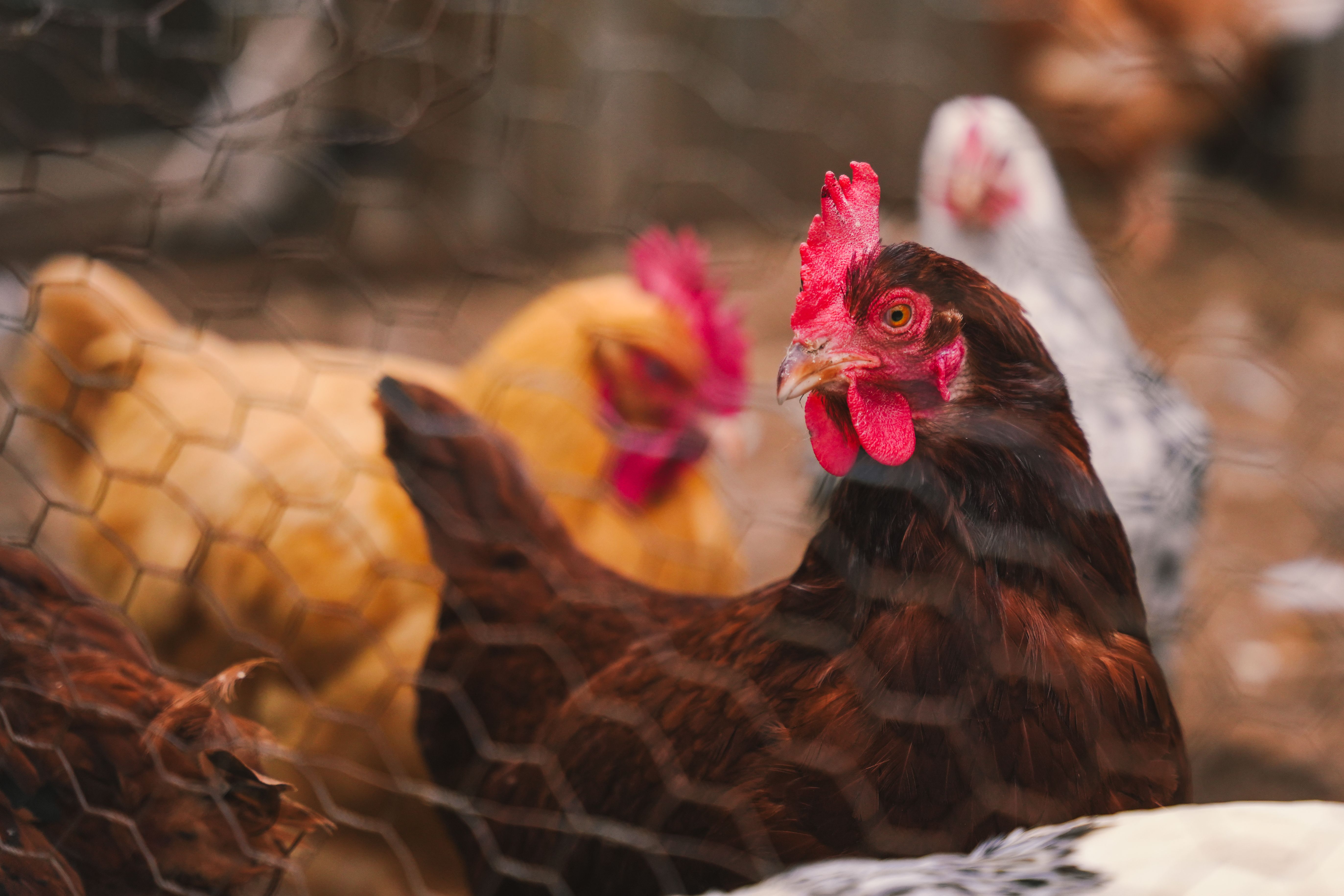
Healthy chickens are the foundation of a successful poultry farm. When birds are healthy, they grow properly, produce more eggs or meat, use feed efficiently, and are less likely to suffer heavy losses from disease.
Poultry health management is not only about treating sick birds. It is mainly about preventing problems before they occur. Clean housing, good nutrition, safe drinking water, vaccination, proper hygiene, and regular observation all work together to keep a flock healthy.
Whether raising broilers, layers, indigenous chickens, or other poultry, good health management should begin before the birds arrive and continue throughout the production period.
Provide Clean and Comfortable Housing
The poultry house should protect birds from rain, strong winds, excessive heat, cold temperatures, predators, and other sources of stress.
There should be enough space for the birds to move, feed, drink, and rest comfortably. Overcrowding should be avoided because it increases stress, encourages fighting, makes litter wet, and allows diseases to spread quickly.
Good ventilation is equally important. Fresh air removes excess moisture and harmful gases from the house while helping control temperature. However, strong drafts should be avoided, especially among young chicks.
A clean, dry, and well-ventilated poultry house provides a healthier environment for the flock.
Provide Good-Quality Feed
Nutrition has a major effect on poultry health and productivity.
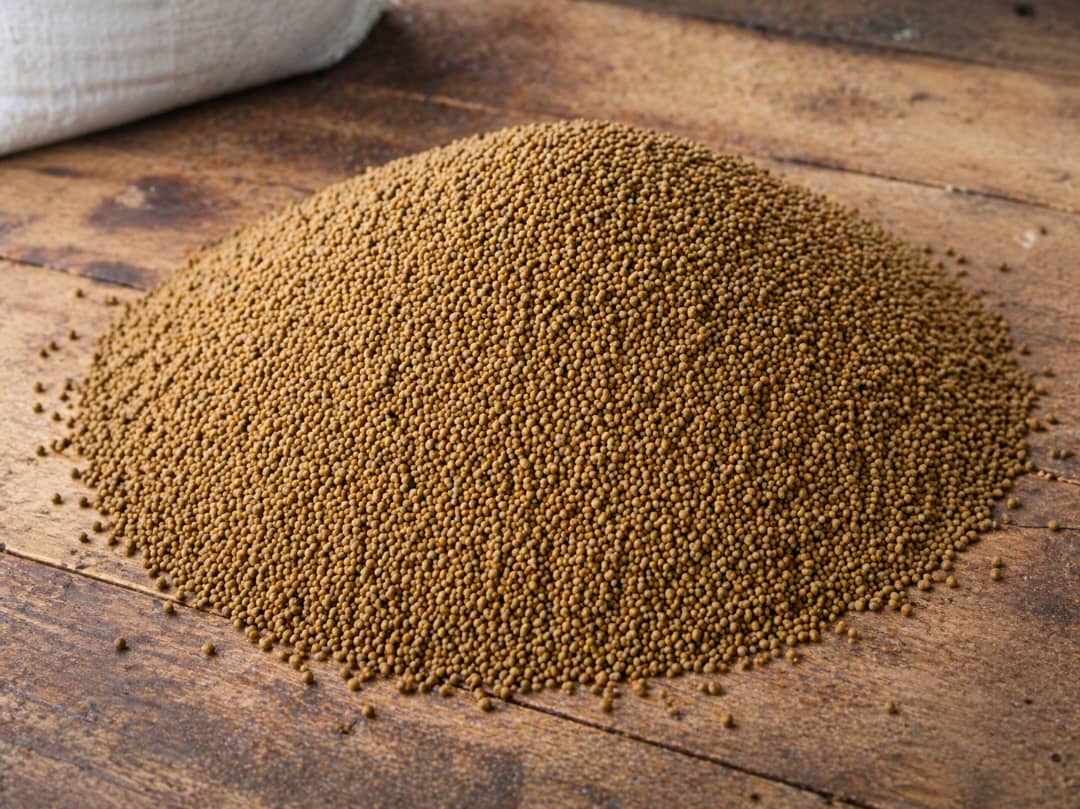
Birds should receive feed that meets their nutritional needs according to their age and purpose. Chicks require starter feed, while growing birds and adult birds require feeds designed for their particular stage of production.
Poor-quality, mouldy, contaminated, or improperly stored feed can cause health problems and reduce growth or egg production.
Feed should be stored in a clean, dry place away from rodents, insects, moisture, and other sources of contamination.
Always Provide Clean Drinking Water
Water is just as important as feed.
Chickens need constant access to clean and safe drinking water. Dirty drinkers can become a major source of harmful germs, especially when feed, droppings, feathers, or bedding enter the water.
Drinkers should be cleaned regularly and positioned in a way that reduces contamination. During hot weather, birds may drink considerably more water, so farmers should ensure that sufficient water is available throughout the day.
Clean water supports digestion, growth, egg production, and normal body functions.
Follow an Appropriate Vaccination Programme
Vaccination is an important part of poultry disease prevention.
Diseases such as Newcastle disease, infectious bursal disease, and other locally important poultry diseases can cause serious losses. The vaccines required and the timing of vaccination depend on the type of birds, local disease risks, and the production system.
Farmers should follow a vaccination programme recommended by a qualified veterinarian or livestock professional. Vaccines must also be stored and administered correctly because poor handling can reduce their effectiveness.
Vaccination should be combined with good hygiene and biosecurity rather than used as the only method of disease prevention.
Practise Good Biosecurity
Biosecurity means preventing diseases from entering the farm and spreading among birds.
Limit unnecessary visitors to poultry houses and avoid allowing people to move freely between different poultry groups. Where possible, provide clean footwear or a footbath at the entrance to the poultry house.
New birds should be kept separate from the existing flock for an appropriate period and monitored before they are introduced.
Farm equipment should also be cleaned regularly, and dead birds should be removed safely and promptly.
Good biosecurity can prevent a small health problem from becoming a serious outbreak.
Keep Litter Clean and Dry
Poultry litter absorbs droppings and moisture, making its condition an important part of flock health.
Wet litter encourages the growth of harmful organisms and can increase the amount of ammonia inside the poultry house. High ammonia levels can irritate the birds’ eyes and respiratory system and reduce their comfort.
Farmers should remove wet areas, particularly around drinkers, and replace litter when necessary.
Keeping litter dry helps reduce disease problems and provides birds with a cleaner and more comfortable environment.
Control Parasites
Internal and external parasites can reduce poultry productivity.
External parasites such as mites and lice can irritate birds, cause feather damage, and make them restless. Internal parasites can interfere with nutrition and growth, particularly when birds are raised in environments where parasite exposure is high.
Farmers should regularly inspect birds and housing for signs of infestation. Parasite control should be based on the advice of a qualified animal health professional and the specific risks on the farm.
Preventing parasites helps birds maintain good body condition and productivity.
Reduce Stress in the Flock
Stress can weaken birds and make them more vulnerable to disease.
Common causes include overcrowding, poor ventilation, sudden changes in temperature, lack of water, rough handling, excessive noise, and sudden changes in feeding routines.
Farmers should maintain a consistent management routine and handle birds carefully. Protecting poultry from predators and extreme weather is also important.
Reducing unnecessary stress helps birds remain active, healthy, and productive.
Observe Birds Every Day
Daily observation is one of the simplest and most valuable health management practices.
Healthy birds are generally active, alert, and interested in feed and water. Changes in behaviour can provide an early warning that something is wrong.
Farmers should watch for signs such as reduced feeding, unusual droppings, coughing, sneezing, difficulty breathing, weakness, isolation from the flock, sudden drops in egg production, or unexplained deaths.
Early detection gives farmers a better chance of controlling a problem before it spreads.
Separate Sick Birds and Seek Professional Help
When a bird appears sick, separating it from healthy birds can help reduce the risk of disease spreading.
However, farmers should not assume that every illness can be identified or treated correctly based only on visible symptoms. Different diseases can produce similar signs.
If several birds become sick, deaths increase suddenly, or the flock shows unusual symptoms, contact a qualified veterinarian or livestock health professional. Avoid using antibiotics or other medicines without proper guidance.
Correct diagnosis allows the appropriate treatment and prevention measures to be taken.
Keep Proper Health Records
Good record keeping helps farmers understand what is happening within the flock.
Records can include vaccination dates, medication given, mortality, feed consumption, egg production, growth, and other important observations.
These records make it easier to identify changes in flock performance and determine whether management practices are working.
For commercial farmers, accurate records also help calculate production costs and profitability.
Common Mistakes to Avoid
Some poultry health problems are caused by simple management mistakes.
Farmers should avoid:
- Overcrowding birds.
- Allowing drinking water to become dirty.
- Keeping wet or heavily contaminated litter.
- Introducing new birds without proper precautions.
- Ignoring early signs of illness.
- Using medicines without professional advice.
- Failing to follow recommended vaccination programmes.
Preventing these problems is usually easier and cheaper than treating a serious disease outbreak.
Conclusion
Good poultry health management starts with prevention. Providing suitable housing, nutritious feed, clean water, proper vaccination, good hygiene, effective biosecurity, parasite control, and regular flock observation can greatly reduce health problems.
Farmers should also remember that poultry health is closely connected to management. A flock kept in a clean, comfortable environment and given proper nutrition is more likely to grow well, produce efficiently, and withstand disease challenges.
By making health management part of everyday poultry farming, farmers can reduce losses, improve productivity, and build healthier and more profitable flocks.