



How to Store Tomatoes to Maintain Their Freshness: Best Practices for Longer Shelf Life
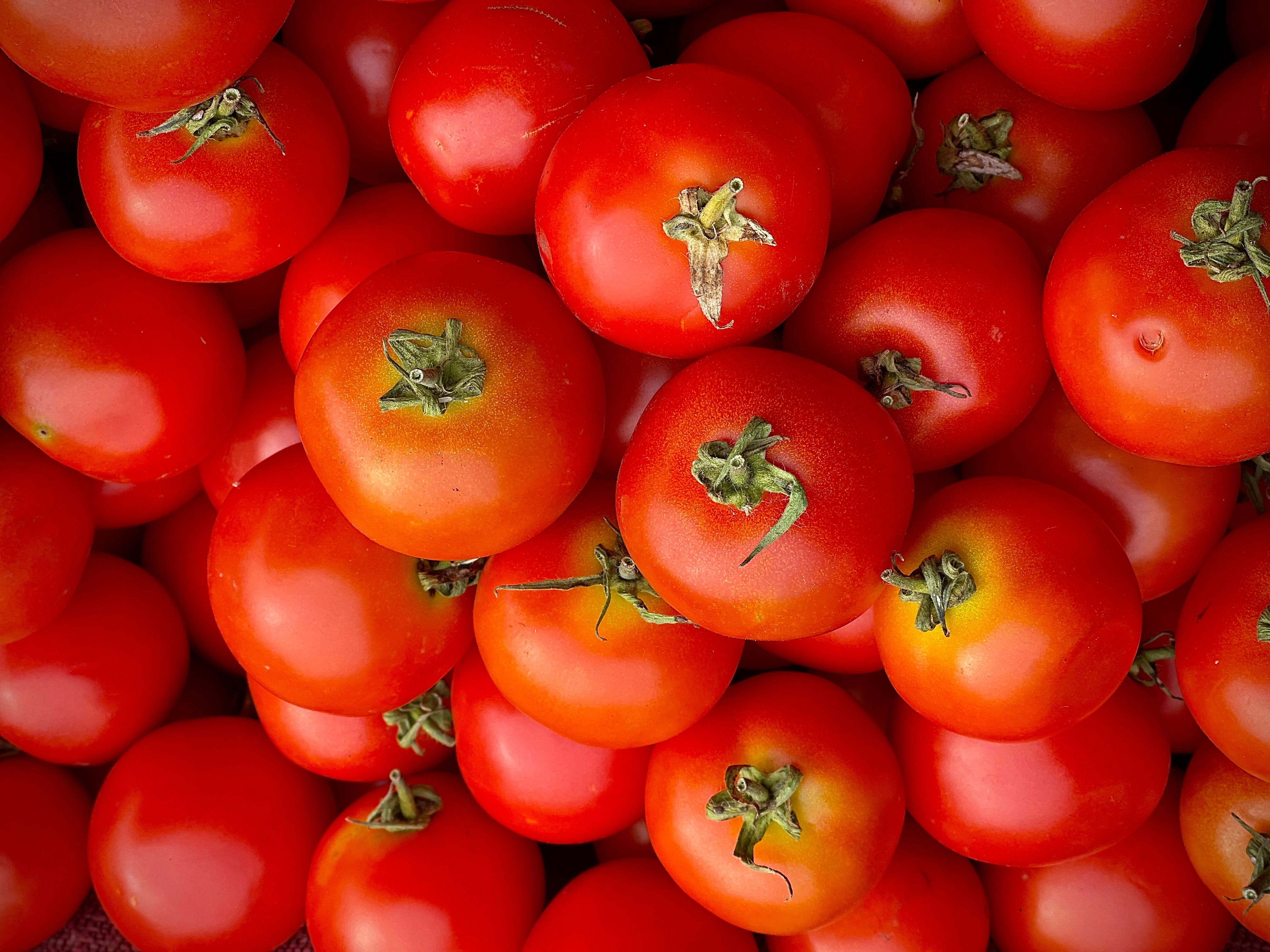
Tomatoes are one of the most widely grown and consumed vegetables in the world. They are used in salads, soups, sauces, stews, and many other dishes, making them an important crop for both home gardeners and commercial farmers. However, tomatoes are highly perishable and can spoil quickly if they are not handled and stored properly after harvest.
Poor storage often leads to bruising, rotting, moisture loss, and reduced quality, resulting in unnecessary food waste and financial losses. By following simple storage practices, farmers, traders, and households can keep tomatoes fresh for longer while maintaining their flavour, appearance, and nutritional value.
Whether you are storing tomatoes for home use or preparing them for the market, proper handling after harvest is essential.
Why Proper Tomato Storage Is Important
Tomatoes continue to ripen after they are harvested. During this process, they become softer, sweeter, and more colourful. If storage conditions are poor, they ripen too quickly and spoil before they can be sold or eaten.
Good storage helps reduce post-harvest losses, maintains fruit quality, and gives farmers and traders more time to market their produce. It also helps consumers enjoy fresh, tasty tomatoes for a longer period.
Simple improvements in storage can make a big difference in reducing waste.
Choose the Right Harvest Stage
The best storage begins with harvesting tomatoes at the correct stage of maturity.
Tomatoes picked too early may not develop good flavour or colour, while overripe fruits are easily damaged during handling and have a much shorter shelf life.
For local markets, tomatoes are often harvested when they are fully coloured and firm. For transport over long distances, they are usually picked when they have started changing colour but are still firm enough to withstand handling.
Harvesting at the right stage helps maintain quality throughout storage.
Sort and Remove Damaged Tomatoes
After harvesting, inspect all tomatoes carefully.
Remove fruits that are bruised, cracked, diseased, or damaged by insects. A single rotten tomato can quickly affect healthy ones when they are stored together.
Sorting tomatoes by size and ripeness also makes storage and marketing easier while improving their appearance for buyers.
Only clean, healthy tomatoes should be placed into storage.
Store at the Right Temperature and Humidity
Tomatoes stay fresh longer when they are stored in cool, well-ventilated conditions away from direct sunlight.
Very high temperatures cause tomatoes to ripen and soften quickly, while very dry conditions lead to moisture loss and shrivelling. On the other hand, excessive moisture encourages mould and decay.
Good air circulation around stored tomatoes helps maintain their quality and reduces the build-up of heat.
Choosing a cool, shaded storage area is one of the simplest ways to extend freshness.
Should Tomatoes Be Refrigerated?
Whether tomatoes should be refrigerated depends on their stage of ripeness.
Unripe tomatoes should be kept at room temperature until they develop their full colour and flavour. Refrigerating them too early can slow ripening and reduce their taste and texture.
Once tomatoes are fully ripe and cannot be used immediately, refrigeration can help slow further ripening and reduce spoilage. Before eating, allow refrigerated tomatoes to return to room temperature for a short time to improve their flavour.
Using the right storage method at the right stage helps maintain tomato quality.
Package and Handle Tomatoes Carefully
Tomatoes bruise easily, so careful handling is essential.
Use clean baskets, crates, or boxes that allow good airflow and protect the fruits from being crushed. Avoid overfilling containers, as the weight of the upper tomatoes can damage those underneath.
During transport, handle tomatoes gently and avoid dropping or throwing containers.
Careful packaging reduces physical damage and helps tomatoes remain fresh for longer.
Common Storage Mistakes to Avoid
Many post-harvest losses occur because of simple mistakes.
Some of the most common include:
- Storing damaged and healthy tomatoes together.
- Leaving tomatoes in direct sunlight after harvest.
- Packing tomatoes too tightly, causing bruising.
- Storing unripe tomatoes in the refrigerator.
- Keeping tomatoes in poorly ventilated or excessively damp areas.
Avoiding these mistakes can significantly reduce spoilage and improve the quality of stored tomatoes.
Signs That Tomatoes Are Beginning to Spoil
Checking stored tomatoes regularly allows you to remove spoiled fruits before they affect the rest.
Common signs of spoilage include soft spots, leaking juice, mould growth, an unpleasant smell, deep cracks, or dark sunken areas on the fruit.
Tomatoes showing these signs should be removed immediately to prevent decay from spreading to healthy fruits.
Regular inspection helps keep the remaining tomatoes in good condition.
Tips for Extending Tomato Shelf Life
A few simple habits can help tomatoes stay fresh for longer.
Harvest during the cooler part of the day, handle fruits gently, keep storage containers clean, and store tomatoes in a cool, shaded, well-ventilated place. Check stored tomatoes every day and remove any that are beginning to spoil.
If you have a large harvest that cannot be sold or eaten quickly, consider processing tomatoes into sauce, paste, juice, or dried products to reduce waste and add value.
Good storage combined with timely marketing helps farmers maximise their returns.
Conclusion
Proper tomato storage is just as important as good crop management in the field. Harvesting tomatoes at the right stage, sorting out damaged fruits, storing them under suitable conditions, handling them carefully, and checking them regularly all help maintain freshness and reduce post-harvest losses.
By following these simple practices, farmers, traders, and households can extend the shelf life of tomatoes, preserve their quality, and reduce unnecessary waste. Good storage not only protects the harvest but also improves market value and ensures consumers receive fresh, high-quality tomatoes.
📩 Subscribe to Agronela Insights for expert content on Aquaculture, Crop Production, Livestock & Poultry, Food Nutrition & Health, and Agribusiness.
🌱 Informing, inspiring, and empowering the agricultural community.