







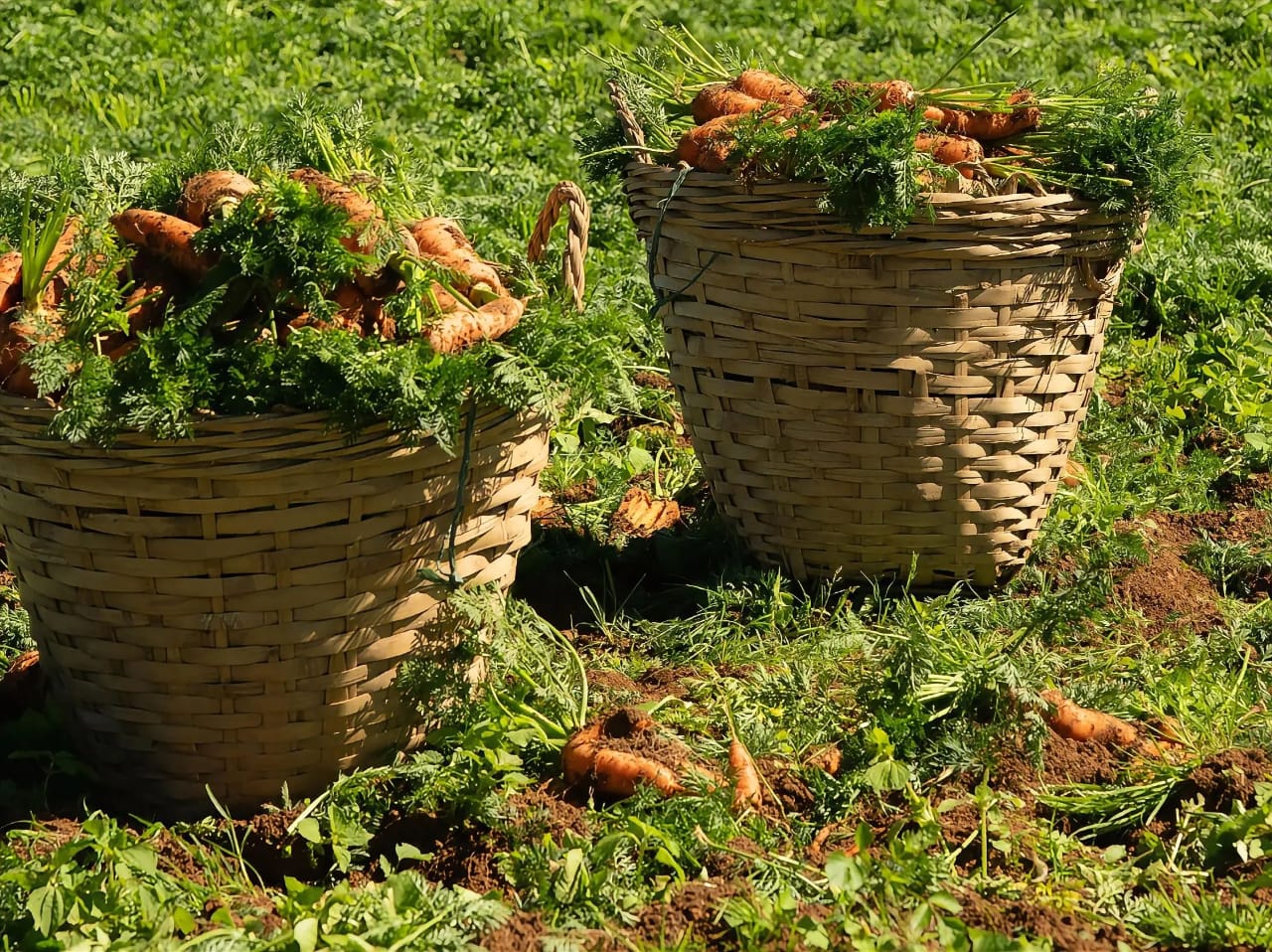
Harvesting carrots at the right time is just as important as planting them correctly. If harvested too early, the roots may be too small and have not reached their full flavour or nutritional value. If left in the ground for too long, some varieties may become tough, woody, or develop cracks, reducing their market quality.
Knowing when carrots are ready for harvest helps farmers and home gardeners produce sweet, tender, and attractive roots that are suitable for both fresh markets and household consumption. The correct harvesting time also reduces losses and improves storage life.
Although the exact harvesting period depends on the variety grown and local weather conditions, several clear signs can help determine when carrots have reached maturity.
Understand the Carrot Growing Period
Different carrot varieties mature at different times.
Early-maturing varieties are often ready for harvest within two to three months after planting, while others take a little longer. Weather, soil fertility, water availability, and crop management can also influence how quickly carrots grow.
Instead of relying only on the number of days after planting, farmers should regularly inspect their crops for signs of maturity.
Check the Size of the Carrot Root
One of the easiest ways to know whether carrots are ready is by checking the size of the root.
The upper part of the carrot usually becomes visible above the soil as it grows. A well-developed root with a healthy colour is often a good sign that the crop is approaching maturity.
If you are unsure, gently remove one or two carrots from different parts of the field. This allows you to check their size without disturbing the rest of the crop.
Harvesting a few sample plants helps you decide whether the entire field is ready.
Look at the Leaves
Healthy carrot leaves provide useful information about crop maturity.
As carrots approach harvest, the leaves are usually fully developed and deep green. In some cases, older leaves may begin to turn slightly yellow as the crop reaches maturity.
However, severely yellow or dying leaves may also indicate pests, diseases, or poor growing conditions rather than normal maturity. For this reason, leaf colour should always be considered together with root size.
Check the Root Colour
A mature carrot develops the bright colour expected for its variety.
Whether the variety is orange, yellow, red, purple, or white, the root should have an even, attractive colour. Immature carrots often appear smaller and less colourful.
Good colour is usually a sign that the carrot has developed properly and is ready for harvest.
Harvest Before the Roots Become Overmature
Leaving carrots in the soil for too long can reduce their quality.
Overmature carrots may become hard, fibrous, or woody. Some roots may crack, split, or become less sweet, making them less attractive to buyers.
Harvesting at the right stage helps maintain good texture, flavour, and appearance while increasing market value.
Harvest Carefully to Avoid Damage
Carrots should be harvested gently to prevent bruising or breaking the roots.
If the soil is dry and hard, lightly watering the field a day before harvesting can make it easier to remove the carrots without damage. Loosening the soil carefully with a garden fork or hoe before pulling the plants also reduces root breakage.
Damaged carrots spoil more quickly and may not meet market quality standards.
Careful harvesting helps maintain both quality and storage life.
Handle Carrots Properly After Harvest
Good post-harvest handling is essential for preserving carrot quality.
After harvesting, remove excess soil without damaging the roots. The leafy tops should be trimmed soon after harvest because they continue to draw moisture from the roots, causing carrots to lose freshness more quickly.
Sort the carrots to remove damaged, cracked, or diseased roots before storage or marketing.
Keeping harvested carrots in a cool, shaded place helps maintain their quality until they are sold or consumed.
Common Harvesting Mistakes to Avoid
Many farmers lose quality because of avoidable harvesting mistakes.
Some of the most common include:
- Harvesting before the roots have reached marketable size.
- Leaving carrots in the ground long after they are fully mature.
- Pulling carrots roughly and causing root damage.
- Delaying the removal of leafy tops after harvest.
- Exposing harvested carrots to direct sunlight for long periods.
Avoiding these mistakes helps improve product quality and reduces post-harvest losses.
Conclusion
Harvesting carrots at the right time is essential for producing high-quality roots with good size, colour, flavour, and storage life. Farmers should monitor root development, inspect the crop regularly, and use visible signs of maturity rather than relying only on the number of days after planting.
Careful harvesting and proper post-harvest handling further protect the quality of the crop and increase its market value. By recognising the signs that carrots are ready and harvesting them correctly, farmers can reduce losses, satisfy customers, and achieve better returns from their production.
📩 Subscribe to Agronela Insights for expert content on Aquaculture, Crop Production, Livestock & Poultry, Food Nutrition & Health, and Agribusiness.
🌱 Informing, inspiring, and empowering the agricultural community.