


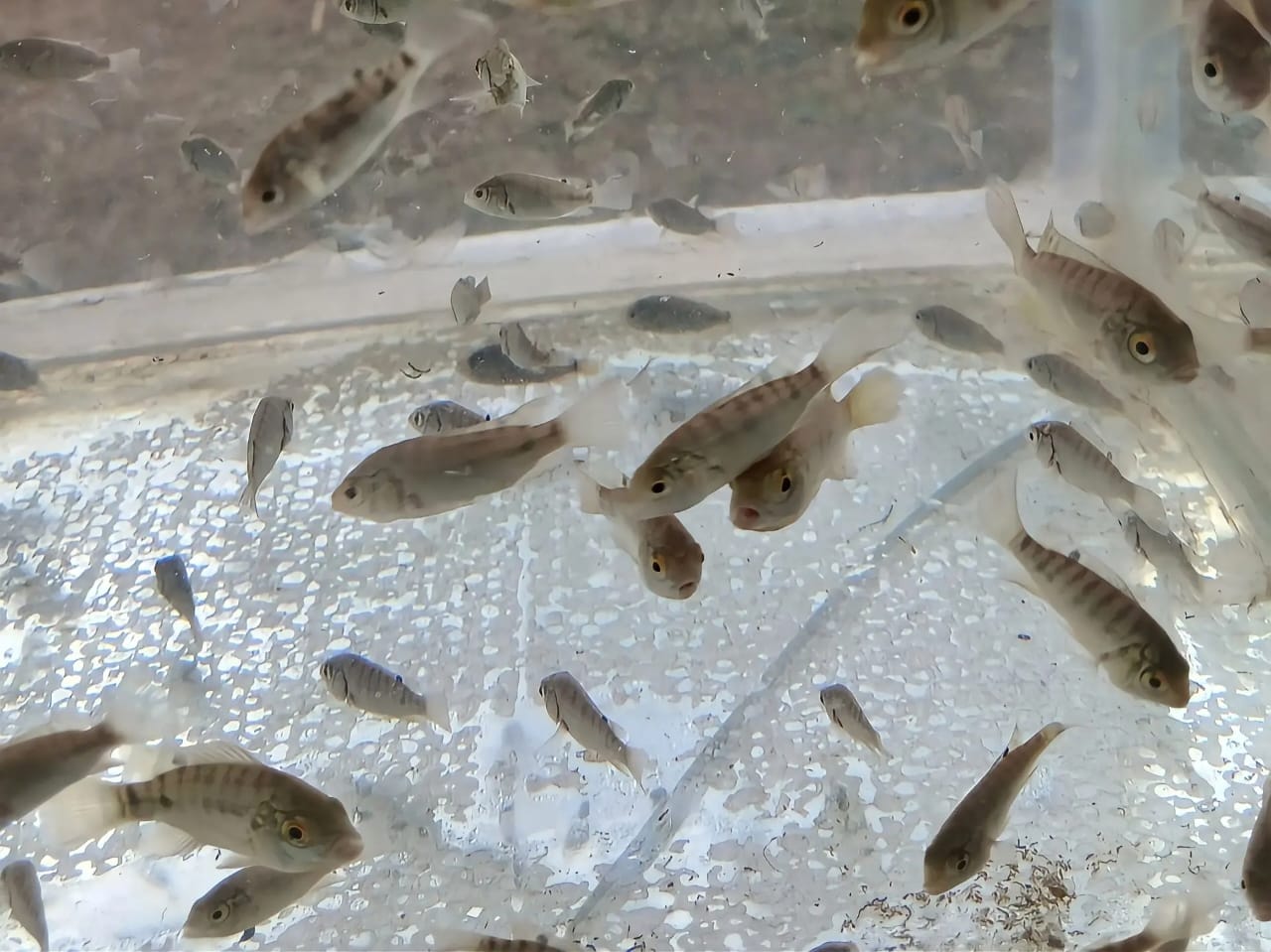
The quality of fish fingerlings is one of the most important factors determining the success of a fish farming enterprise. Even with good pond management, quality feeds, and proper water management, poor-quality fingerlings can result in slow growth, high mortality, disease outbreaks, and reduced profitability.
Fingerlings are the foundation of future fish production. Selecting strong, healthy, and suitable fish at the stocking stage gives farmers a better chance of achieving high survival rates, efficient feed utilization, and uniform growth.
Whether raising Nile tilapia, African catfish, or other cultured species, farmers should carefully evaluate fingerling quality before purchasing and stocking them into ponds, cages, or tanks.
Why Selecting Quality Fingerlings Is Important
Healthy fingerlings adapt more quickly to their new environment and are more likely to survive after stocking.
Poor-quality fingerlings may have weak immunity, hidden diseases, physical deformities, or poor genetic performance, which can negatively affect the entire production cycle. Farmers may spend more money on treatments and management while still achieving low harvest yields.
Investing in good-quality fingerlings reduces production risks and improves the chances of a profitable fish farming operation.
Purchase Fingerlings from Reliable Hatcheries
The first step in selecting healthy fingerlings is choosing a trustworthy supplier.
Reputable hatcheries maintain proper breeding programs, good water quality, disease prevention measures, and appropriate feeding practices. They are more likely to provide strong fingerlings with good growth potential.
Farmers should avoid buying fish from unknown sources simply because they are cheaper. Low-cost fingerlings may lead to higher expenses later due to poor growth, disease problems, and increased mortality.
A reliable hatchery should be able to provide information about the fish species, age, production history, and management practices used during breeding and rearing.
Choose the Right Fish Species
Fingerlings should match the farmer’s production goals and farming environment.
For example, Nile tilapia is widely cultured because of its good growth rate, consumer acceptance, and adaptability to different farming systems. African catfish is also popular because it is hardy, grows well under suitable conditions, and has strong market demand.
Farmers should consider factors such as available water resources, farming system, feed availability, market demand, and management capacity before selecting a species.
Choosing the correct species improves the likelihood of successful production.
Check Fingerling Size and Uniformity
Healthy fingerlings should have a relatively uniform size.
Fingerlings that are too small may be more vulnerable to predators, stress, and competition after stocking. Uniform fish populations usually grow more evenly, making feeding and management easier.
Farmers should avoid batches containing many weak, extremely small, or highly variable-sized fish because they may indicate poor management or inconsistent production conditions.
Selecting fingerlings of the appropriate size improves survival and growth performance.
Observe Physical Appearance and Activity
The physical appearance and behavior of fingerlings provide important clues about their health.
Healthy fingerlings are usually active swimmers, respond quickly to movement, and maintain good body balance in the water. They should have clear eyes, intact fins, smooth bodies, and normal coloration.
Avoid fish showing signs such as:
- Damaged fins or skin injuries.
- Abnormal swimming behavior.
- Pale or unusual body coloration.
- Swollen bodies or visible wounds.
- Slow movement or difficulty maintaining balance.
Active and alert fingerlings are more likely to adapt successfully after stocking.
Check for Signs of Disease
Disease-free fingerlings are essential for protecting the entire farm.
Before purchase, farmers should inspect fish for visible signs of infection or parasites. Some warning signs include excessive mucus production, skin lesions, abnormal breathing, loss of appetite, or unusual swimming patterns.
Where possible, farmers should ask hatchery operators about their disease prevention practices and whether the fish have experienced previous health problems.
Introducing diseased fish into a pond can affect not only the new stock but also existing fish populations.
Consider Fingerling Source and Genetic Quality
Genetic quality influences growth rate, feed efficiency, and overall production performance.
Fingerlings produced from carefully selected breeding programs often perform better than fish produced from uncontrolled breeding systems. Poor genetic quality may result in slow growth, uneven sizes, and reduced productivity.
Farmers should seek suppliers who maintain good breeding practices and provide consistent-quality fish.
Good genetics combined with proper management produces better harvest results.
Proper Handling and Transportation
Even healthy fingerlings can become stressed or die if handled poorly during transportation.
Fish should be transported using clean containers with suitable water conditions and adequate oxygen supply. Transportation time should be minimized, and sudden changes in temperature or water quality should be avoided.
Before releasing fingerlings into a pond, farmers should allow them to gradually adjust to the new water conditions through a process known as acclimatization.
Proper handling reduces stress and improves survival after stocking.
Acclimatizing Fingerlings Before Stocking
Directly releasing transported fish into a new pond can shock their bodies due to differences in temperature, pH, and other water conditions.
Farmers should allow transport containers to float in the pond water for some time so temperatures can gradually equalize. Small amounts of pond water can then be mixed with transport water before releasing the fish.
This gradual adjustment helps fingerlings adapt and reduces early mortality.
Common Mistakes to Avoid When Buying Fingerlings
Several mistakes can negatively affect fish farming success.
Common errors include:
- Buying fingerlings based only on low price.
- Selecting fish without checking their health condition.
- Mixing fingerlings from different unknown sources.
- Stocking fish without proper acclimatization.
- Overstocking ponds beyond their carrying capacity.
Careful planning before purchase prevents many production problems later.
Conclusion
Selecting healthy fish fingerlings is one of the most important decisions in successful aquaculture production. Strong, disease-free, and genetically suitable fingerlings provide the foundation for good growth, high survival rates, and profitable harvests.
Farmers should purchase from reliable hatcheries, choose appropriate species, check physical appearance and activity, confirm good health status, and handle fish carefully during transportation and stocking.
Good aquaculture begins with quality fish. By investing in healthy fingerlings and applying proper management practices throughout the production cycle, farmers can improve productivity, reduce losses, and build more sustainable fish farming enterprises.
📩 Subscribe to Agronela Insights for expert content on Aquaculture, Crop Production, Livestock & Poultry, Food Nutrition & Health, and Agribusiness.
🌱 Informing, inspiring, and empowering the agricultural community.