





The Nutritional Benefits of Moringa: Essential Nutrients and Health Benefits

Moringa (Moringa oleifera) is one of the most nutrient-rich plants grown in tropical and subtropical regions. Often referred to as the “drumstick tree” or the “miracle tree,” moringa has gained worldwide recognition because of its exceptional nutritional value. Its leaves, pods, flowers, and seeds have long been used as food in many communities, while the leaves are especially valued for their rich supply of vitamins, minerals, protein, and beneficial plant compounds.
In recent years, moringa has attracted increasing attention from nutritionists and researchers due to its potential contribution to healthy diets. Although it is not a cure for disease, its impressive nutrient profile makes it an excellent addition to balanced meals, particularly in regions where nutrient deficiencies remain a public health concern.
Whether consumed as fresh leaves, dried leaf powder, or incorporated into various recipes, moringa can help improve dietary quality when eaten alongside a wide variety of nutritious foods.
Nutritional Composition of Moringa
Moringa leaves are exceptionally rich in nutrients compared to many other leafy vegetables.
They provide plant-based protein, which supports the growth and repair of body tissues, making moringa an excellent complement to diets that rely heavily on plant foods. The leaves are also a good source of dietary fiber, which supports healthy digestion and contributes to feelings of fullness after meals.
Moringa contains several essential vitamins, including vitamin A, vitamin C, and vitamin E. It also supplies important minerals such as calcium, iron, potassium, and magnesium, all of which play vital roles in maintaining normal body functions.
Because of this combination of nutrients, moringa is often considered one of the most nutritionally valuable edible plants available.
Rich Source of Vitamins and Minerals
The vitamins and minerals found in moringa contribute to many important physiological processes.
Vitamin A supports normal vision, healthy skin, and proper immune function. Vitamin C helps strengthen the immune system, supports collagen production, and protects body cells from oxidative stress. Vitamin E acts as an antioxidant, helping protect cell membranes from damage caused by free radicals.
Calcium contributes to healthy bones and teeth, while iron supports the production of red blood cells and the transport of oxygen throughout the body. Potassium helps regulate fluid balance, supports muscle contractions, and contributes to normal blood pressure. Magnesium plays an essential role in nerve function, muscle activity, and energy metabolism.
Consuming nutrient-rich foods such as moringa helps support overall health and contributes to meeting daily nutritional requirements.
Powerful Antioxidant Properties
Moringa contains numerous natural antioxidants, including flavonoids, polyphenols, and vitamin C.
Antioxidants help protect the body’s cells from oxidative stress caused by free radicals, which are produced naturally during metabolism and through exposure to environmental factors such as pollution and tobacco smoke.
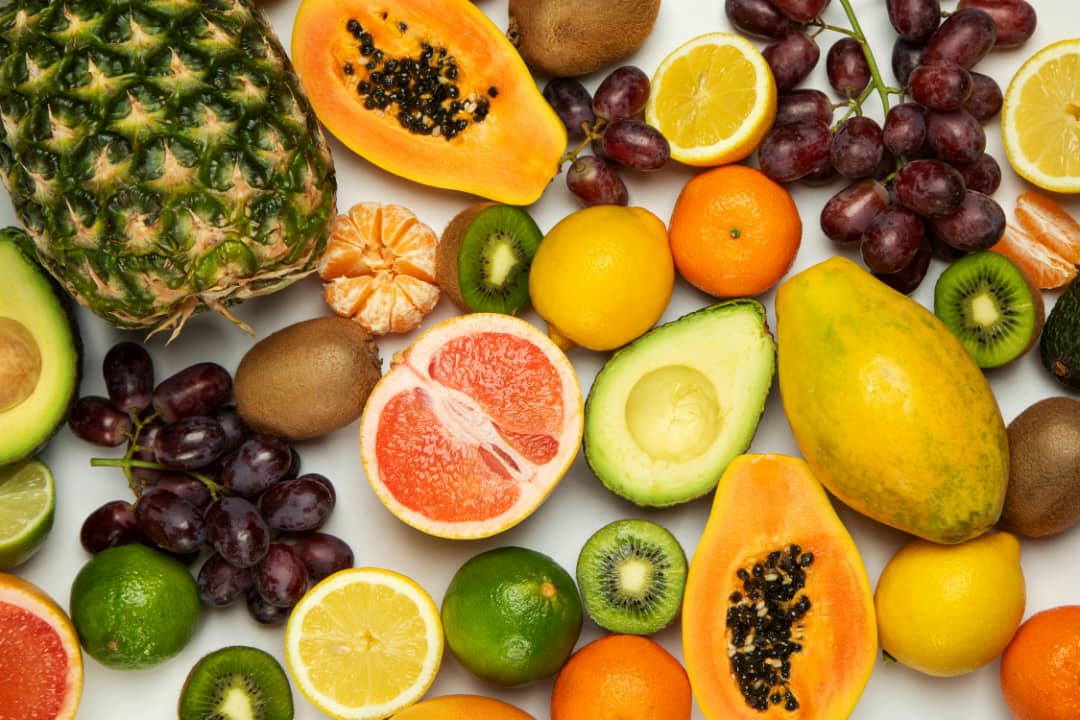
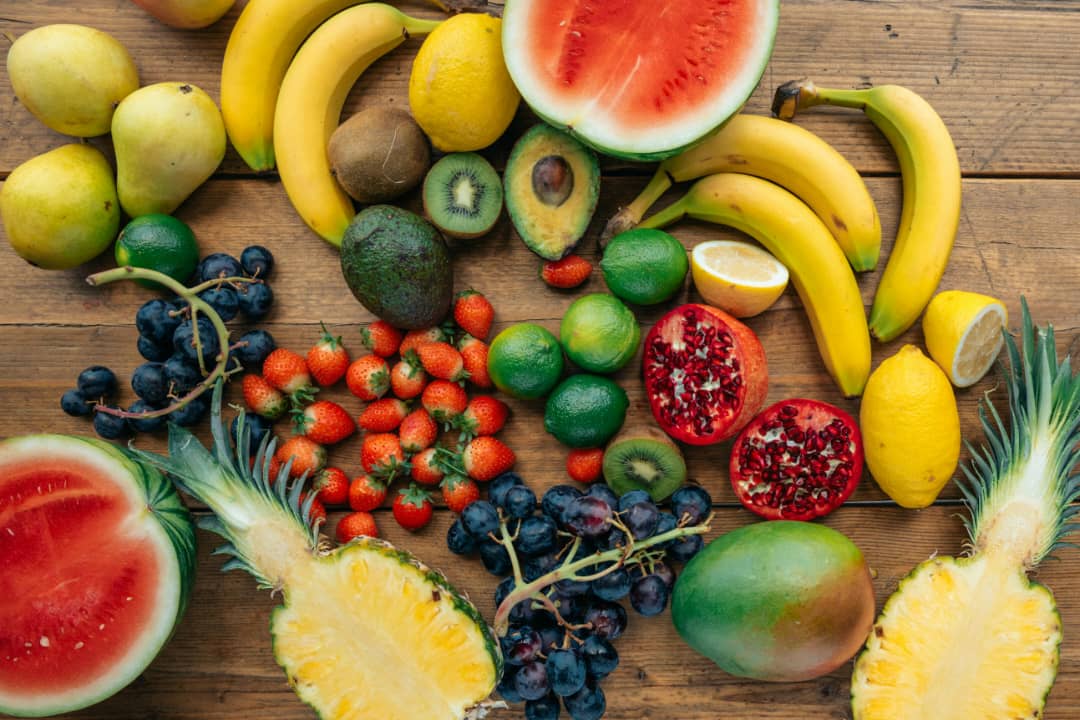
A diet rich in antioxidant-containing foods may help support long-term health by reducing cellular damage associated with oxidative stress. Moringa complements other colorful fruits and vegetables that also provide valuable antioxidant compounds.
Including a variety of antioxidant-rich foods in the diet is more beneficial than relying on any single food.
Supports a Healthy Immune System
A well-functioning immune system depends on adequate nutrition.
The vitamins, minerals, and antioxidants found in moringa contribute to the normal functioning of the immune system. Vitamin C supports the activity of immune cells, while vitamin A helps maintain healthy tissues that act as barriers against infection.
Protein also plays an important role in producing antibodies and maintaining healthy body tissues.
Although moringa supports good nutrition, it should not be viewed as a substitute for vaccinations, medical treatment, or other evidence-based health practices.
Promotes Bone Health
Healthy bones require a steady supply of essential nutrients throughout life.
Moringa provides calcium and magnesium, both of which contribute to maintaining normal bone structure and function. These minerals work together with other nutrients obtained from a balanced diet to support bone strength.
While calcium-rich foods such as dairy products remain important sources of this mineral, moringa leaves can also contribute to daily calcium intake, particularly in plant-based diets.
Maintaining regular physical activity alongside a nutritious diet further supports lifelong bone health.
Supports Heart Health
Several nutrients found in moringa contribute to cardiovascular health.
Potassium helps maintain normal blood pressure by balancing the effects of sodium in the body. Antioxidants found in moringa also help protect cells from oxidative stress, which plays a role in overall cardiovascular well-being.
Dietary fiber contributes to healthy digestion and supports balanced eating patterns that benefit heart health.
Maintaining a heart-healthy lifestyle involves regular exercise, avoiding tobacco use, limiting excessive salt intake, and eating a wide variety of nutrient-rich foods.
Moringa and Blood Sugar Support
Research into moringa and blood sugar regulation has increased in recent years.
Some scientific studies suggest that certain compounds found in moringa leaves may help support healthy blood sugar levels when consumed as part of a balanced diet. However, current evidence remains limited, and moringa should not be considered a treatment or cure for diabetes.
Individuals living with diabetes should continue following medical advice, taking prescribed medications, and maintaining healthy eating habits. Moringa may be included as part of a nutritious diet, but it should never replace professional healthcare or prescribed treatment.
Presenting moringa within this evidence-based context helps ensure accurate and responsible nutrition guidance.
How to Include Moringa in Your Diet
Moringa is a versatile food that can easily be incorporated into everyday meals.
Fresh leaves can be cooked and added to soups, stews, sauces, omelets, and vegetable dishes. Dried moringa leaf powder can be mixed into smoothies, porridge, yogurt, or sprinkled over cooked foods after preparation to help preserve nutrients.
Young pods are also edible and are commonly used in curries and vegetable dishes in many parts of the world.
Combining moringa with other vegetables, fruits, whole grains, legumes, lean proteins, and healthy fats creates a more balanced and nutritious diet.
Precautions and Recommended Consumption
Moringa leaves are generally considered safe when consumed as food in moderate amounts.
As with any nutritious food, they should be eaten as part of a varied diet rather than relied upon as the sole source of nutrients. Individuals who are pregnant, breastfeeding, taking medications, or managing chronic health conditions should consult a qualified healthcare professional before using concentrated moringa supplements or consuming large quantities.
Whole fresh leaves and properly prepared leaf powder remain the preferred forms for regular dietary use.
Moderation and dietary diversity are key principles of good nutrition.
Conclusion
Moringa is one of the most nutrient-dense edible plants, providing plant protein, dietary fiber, vitamins A, C, and E, along with calcium, iron, potassium, magnesium, and a wide range of beneficial antioxidants. These nutrients support immune function, bone health, heart health, healthy digestion, and the body’s natural defense against oxidative stress.
Although research continues to investigate moringa’s role in supporting healthy blood sugar regulation, it should be viewed as a nutritious food rather than a treatment for disease. Its greatest value lies in the essential nutrients it contributes to a balanced diet.
Including moringa regularly alongside a variety of fruits, vegetables, whole grains, legumes, lean proteins, and healthy fats is an excellent way to improve dietary quality and support long-term health and well-being.
📩 Subscribe to Agronela Insights for expert content on Aquaculture, Crop Production, Livestock & Poultry, Food Nutrition & Health, and Agribusiness.
🌱 Informing, inspiring, and empowering the agricultural community.