


How to Manage Water Quality in Fish Ponds: Essential Practices for Healthy Fish and High Productivity
Water is the foundation of every successful fish farming enterprise. Unlike livestock raised on land, fish depend entirely on the quality of the water around them for breathing, feeding, growth, reproduction, and survival. Even when farmers use quality fingerlings and nutritious feeds, poor water management can lead to slow growth, disease outbreaks, high mortality, and significant financial losses.
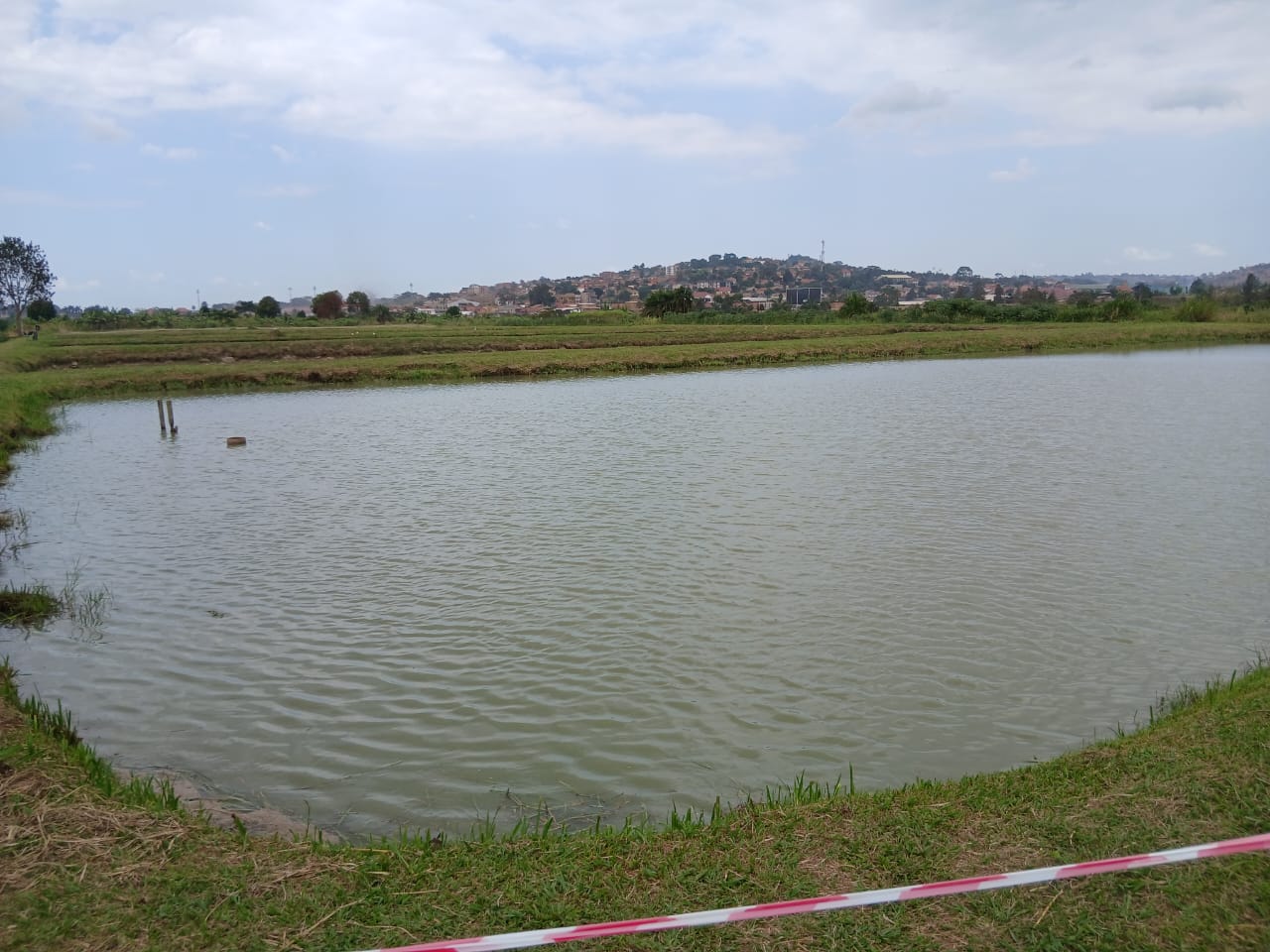
For farmers using earthen ponds, effective water management is one of the most important skills in aquaculture. Properly managed ponds provide fish with a stable environment that supports healthy growth, efficient feed utilization, and improved production. Good water quality also reduces stress, allowing fish to resist diseases and achieve their full genetic potential.
Whether raising Nile tilapia, African catfish, or other cultured species, maintaining suitable water conditions is essential for sustainable and profitable fish farming.
Why Water Management Is Important
Water serves many important functions in a fish pond. It supplies dissolved oxygen for respiration, carries nutrients, removes waste products, and provides the environment in which fish live throughout their production cycle.
Poor water quality affects fish health long before visible signs appear. Fish exposed to unsuitable water conditions often eat less, grow more slowly, become stressed, and are more vulnerable to parasites and diseases.
Good water management improves survival rates, enhances feed conversion efficiency, supports faster growth, and ultimately increases farm profitability.
Understand the Key Water Quality Parameters
Several water quality parameters influence fish health and pond productivity.
Temperature affects fish metabolism, feeding activity, and growth. Extreme temperatures can stress fish and reduce feed intake.
Dissolved oxygen is one of the most critical factors in aquaculture. Fish require sufficient oxygen to breathe, and low oxygen levels can quickly lead to poor growth or mortality, especially during the night and early morning.
pH influences many biological and chemical processes in pond water. Large fluctuations in pH can stress fish and reduce their ability to thrive.
Ammonia is produced from fish waste, decomposing feed, and organic matter. High ammonia concentrations are toxic and may damage fish gills, reduce growth, and increase mortality.
Nitrite is another harmful compound formed during the breakdown of waste. Elevated nitrite levels interfere with oxygen transport in the blood, making it difficult for fish to breathe effectively.
Turbidity, or water cloudiness, can result from suspended soil particles, excessive plankton, or organic matter. High turbidity reduces light penetration and may affect pond productivity if left unmanaged.
Understanding these parameters allows farmers to identify problems before they seriously affect fish performance.
Maintain Adequate Water Levels
Maintaining a consistent water level helps create a stable environment for fish.
Low water levels increase temperature fluctuations, reduce available oxygen, and concentrate harmful waste products. During prolonged dry periods, farmers should monitor water levels closely and replenish ponds when necessary.
At the same time, excessive runoff during heavy rains should be managed to prevent pond overflow, erosion, and the introduction of pollutants or unwanted fish species.
Stable water levels contribute to healthier ponds and more consistent fish growth.
Promote Good Water Exchange and Circulation
Fresh water helps maintain water quality by diluting waste products and replenishing oxygen.
Where a reliable water source is available, partial water exchange can improve pond conditions without causing sudden environmental changes that stress fish. Water entering the pond should be clean and free from pollutants, agricultural chemicals, and harmful organisms.
Good circulation also prevents stagnant areas where waste accumulates and oxygen becomes depleted.
Carefully managed water exchange supports a healthier aquatic environment throughout the production cycle.
Manage Oxygen Through Aeration
Adequate dissolved oxygen is essential for healthy fish growth.
In ponds with high stocking densities or during periods of hot weather, oxygen levels can decline rapidly, particularly before sunrise when aquatic plants and algae consume oxygen during the night.
Mechanical aerators are highly effective for increasing dissolved oxygen where available. In smaller ponds, farmers can also improve oxygen conditions by reducing excessive organic matter, maintaining appropriate stocking densities, and encouraging gentle water movement.
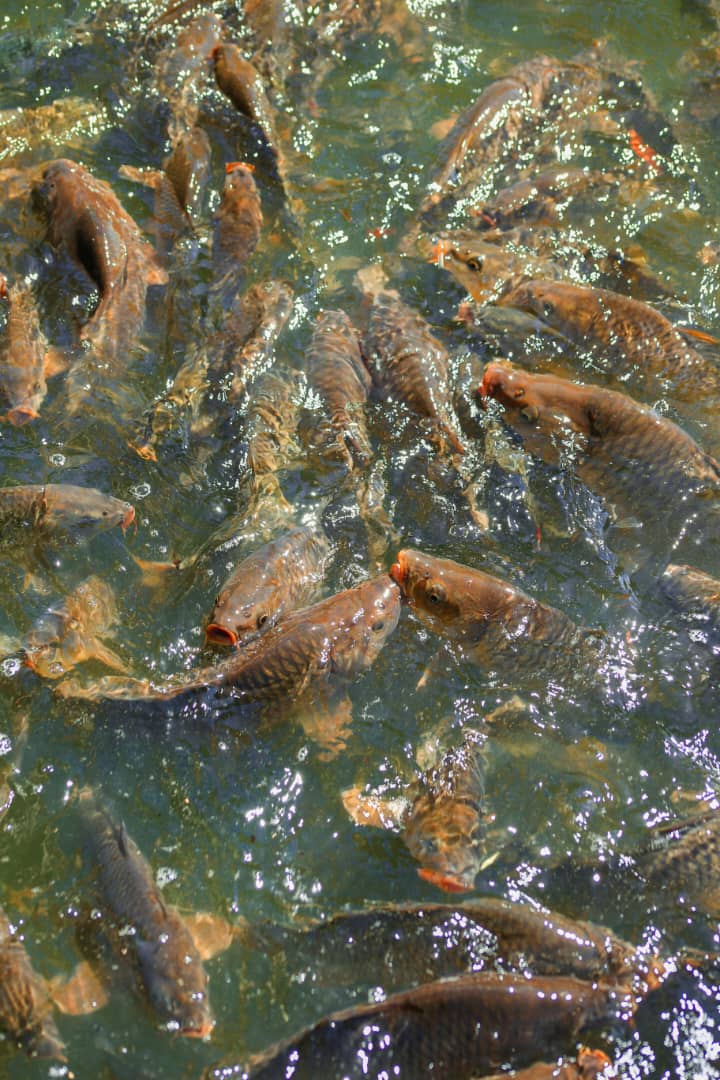
Observing fish gasping at the water surface, especially in the early morning, is often an indication that oxygen levels have become critically low and immediate action is required.
Feed Fish Responsibly to Protect Water Quality
Feeding practices have a major influence on pond water quality.
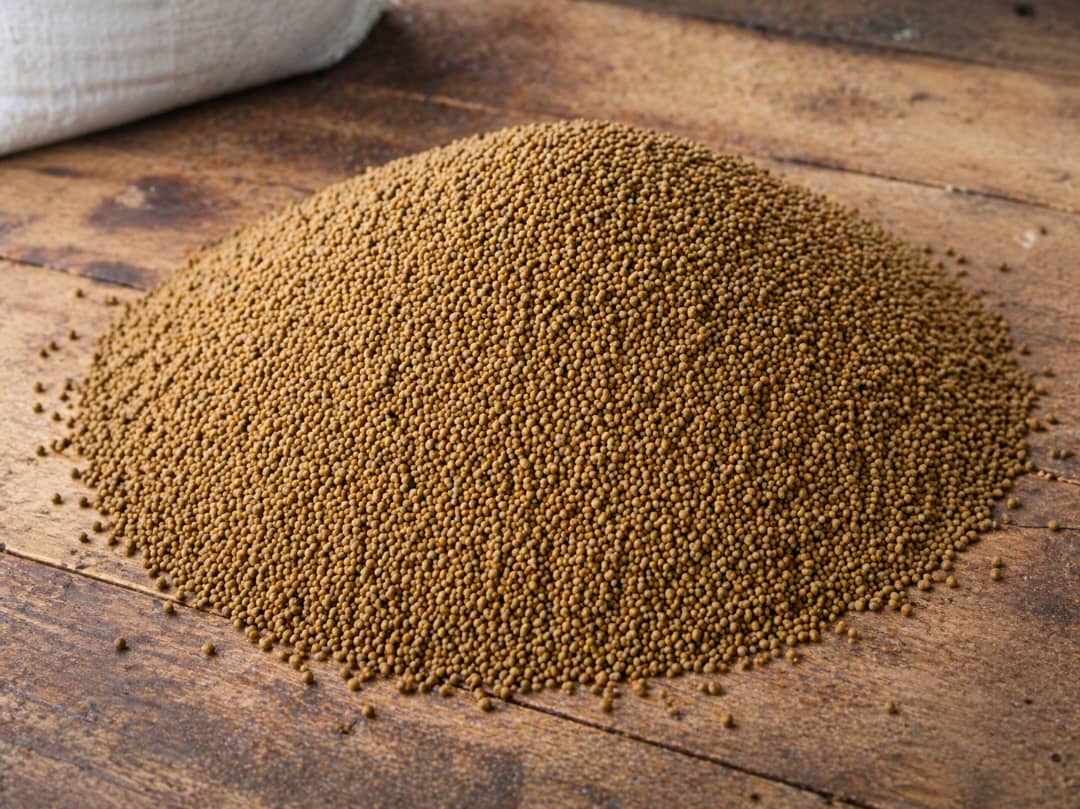
Fish should receive balanced feeds in quantities they can consume within a reasonable time. Excess feed that remains uneaten sinks to the bottom, where it decomposes and releases ammonia while reducing dissolved oxygen.
Farmers should observe feeding behavior carefully and adjust feeding rates according to fish size, appetite, water temperature, and growth stage.
Efficient feeding not only improves growth but also helps maintain clean pond water and reduces production costs.
Control Algae and Aquatic Weeds
Moderate populations of microscopic algae contribute to a productive pond by producing oxygen during daylight and supporting the pond ecosystem. However, excessive algal growth can create serious management problems.
Dense algal blooms may cause large daily fluctuations in oxygen and pH, increasing stress on fish. Aquatic weeds can also compete for nutrients, reduce water movement, and interfere with harvesting.
Maintaining appropriate nutrient levels, avoiding excessive fertilization, and removing unwanted aquatic vegetation help maintain a healthy pond environment.
Balanced pond ecology supports stable water quality and healthy fish production.
Remove Sludge and Organic Waste
Organic waste gradually accumulates on the pond bottom from uneaten feed, fish waste, dead algae, and other decomposing materials.
As this material breaks down, it consumes oxygen and releases harmful gases and toxic compounds that reduce water quality. Periodic removal of sludge during pond maintenance helps maintain a cleaner production environment.
Good pond preparation between production cycles, including drying and removing accumulated sediments where necessary, improves conditions for future stocking.
Clean ponds provide healthier environments for fish and reduce disease risks.
Monitor Water Quality Regularly
Regular monitoring is one of the most effective ways to prevent serious water quality problems.
Farmers should observe fish behavior daily, paying attention to appetite, swimming patterns, and any unusual signs of stress. Water color, clarity, and odor also provide useful information about pond conditions.
Where possible, simple water testing equipment can be used to monitor temperature, dissolved oxygen, pH, ammonia, and other important parameters. Routine monitoring allows farmers to detect problems early and take corrective action before production is affected.
Consistent record keeping also helps identify long-term trends and improve future management decisions.
Common Water Quality Problems and Their Solutions
Several common water quality problems can reduce fish performance if not addressed promptly.
Low dissolved oxygen can be improved by increasing aeration, reducing feeding temporarily, and preventing excessive organic waste accumulation. High ammonia levels are often managed by reducing overfeeding, improving water exchange, and removing decomposing materials from the pond.
Excessive turbidity may require controlling soil erosion around the pond, while algal blooms can be reduced by managing nutrient inputs and maintaining balanced pond conditions.
Most water quality problems can be prevented through good routine management rather than emergency interventions.
Conclusion
Effective water management is one of the most important responsibilities of every fish farmer. Maintaining suitable water quality supports healthy fish growth, improves feed efficiency, reduces disease outbreaks, and increases overall farm productivity.
By monitoring key water quality parameters, maintaining adequate water levels, promoting good circulation, managing oxygen, feeding responsibly, controlling algae, removing organic waste, and regularly assessing pond conditions, farmers can create an environment where fish thrive throughout the production cycle.
Successful aquaculture depends not only on the quality of the fish being raised but also on the quality of the water in which they live. Farmers who prioritize water management are better positioned to achieve sustainable production, reduce losses, and build profitable fish farming enterprises.
📩 Subscribe to Agronela Insights for expert content on Aquaculture, Crop Production, Livestock & Poultry, Food Nutrition & Health, and Agribusiness.
🌱 Informing, inspiring, and empowering the agricultural community.


1 Comment
Shafii
July 25, 2026This is an excellent, holistic guide that goes beyond just listing parameters. The emphasis on ‘prevention over emergency intervention’ is the golden rule of aquaculture. I’d add that investing in a simple dissolved oxygen meter pays for itself tenfold in the first season. Great to see proper feeding management highlighted as a water quality tool, not just a growth tool