





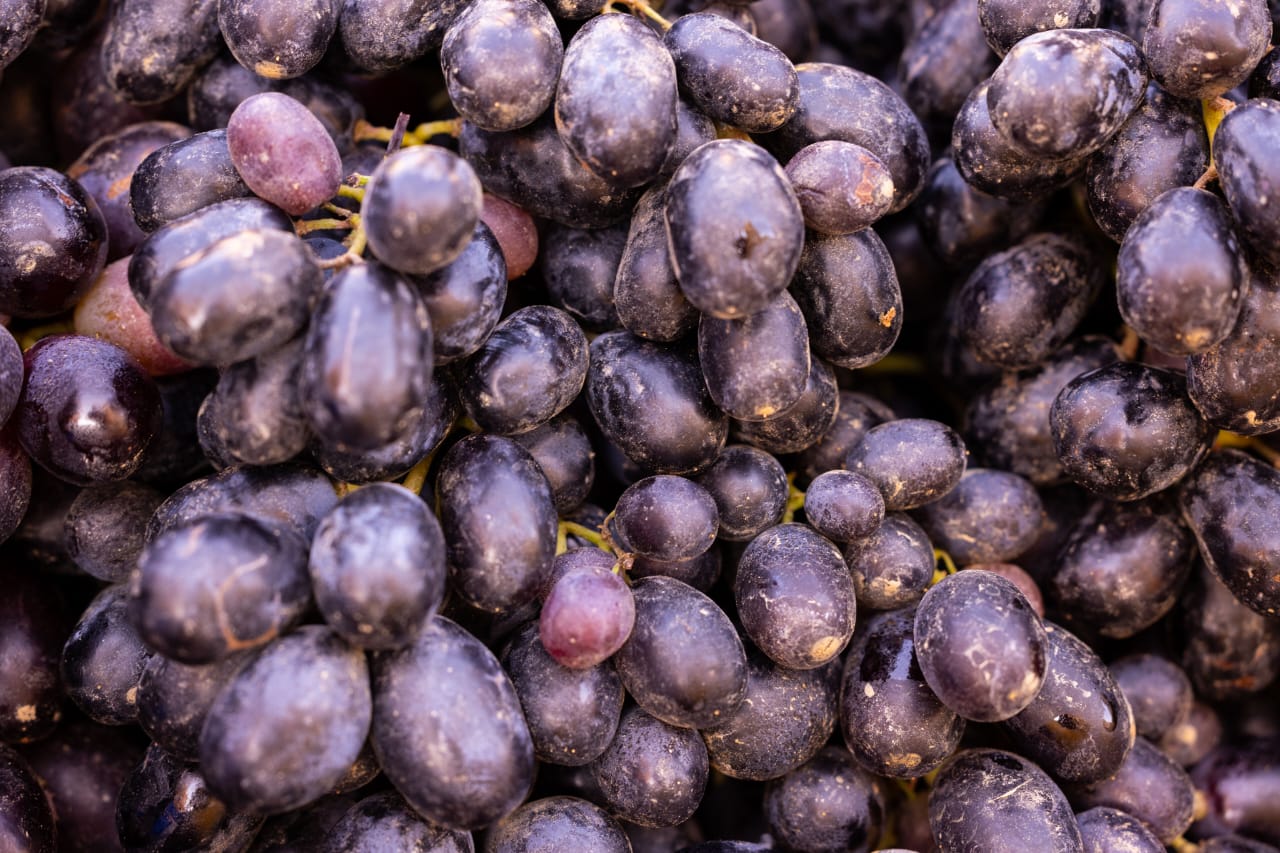
Jamun (Syzygium cumini), also known as black plum, Java plum, or Indian blackberry, is a tropical fruit valued for its deep purple color, sweet-tart flavor, and impressive nutritional profile. It is widely grown in many tropical and subtropical regions, where it is enjoyed fresh or used to prepare juices, jams, desserts, and traditional beverages.
Although Jamun is often associated with traditional medicine, its greatest proven value lies in the nutrients and natural plant compounds it provides. The fruit contains vitamins, minerals, dietary fiber, and antioxidants that contribute to a healthy diet and support normal body functions.
Including Jamun as part of a balanced diet is a simple way to increase fruit consumption while benefiting from its nutritional properties.
What Is Jamun?
Jamun is the fruit of an evergreen tree that belongs to the myrtle family. The ripe fruits are usually dark purple to nearly black and contain juicy flesh with a single seed in the center.
The fruit has a distinctive sweet and slightly astringent taste that makes it popular for both fresh consumption and processing. Besides the fruit itself, different parts of the tree have traditionally been used in herbal practices, although these traditional uses should not be confused with scientifically proven medical treatments.
From a nutritional perspective, the fruit is a healthy choice because it provides valuable nutrients while being naturally low in fat.
Nutritional Composition of Jamun
Jamun contains carbohydrates that provide energy, along with dietary fiber, vitamin C, and small amounts of several B vitamins. It also supplies important minerals such as potassium and iron, together with a wide range of natural plant compounds responsible for its dark purple color.
These naturally occurring compounds contribute to the fruit’s antioxidant activity and make Jamun a valuable addition to a varied and nutritious diet.
Like most fruits, Jamun delivers its greatest health benefits when eaten regularly as part of an overall healthy eating pattern.
Rich Source of Vitamin C
One of the key nutrients found in Jamun is vitamin C.
Vitamin C supports the normal functioning of the immune system and helps protect body cells from oxidative stress. It is also necessary for the production of collagen, which supports healthy skin, blood vessels, gums, and connective tissues.
Because the human body cannot produce vitamin C on its own, consuming fruits that naturally contain this nutrient helps meet daily nutritional needs.
Including vitamin C-rich fruits such as Jamun alongside other fruits and vegetables contributes to better overall health.
Dietary Fiber and Digestive Health
Jamun contains dietary fiber, which is important for maintaining a healthy digestive system.
Fiber promotes regular bowel movements, supports healthy digestion, and encourages the growth of beneficial bacteria in the intestines. It also helps increase feelings of fullness after meals, making it easier to maintain balanced eating habits.
Eating enough fiber each day contributes to good digestive health and supports overall well-being.
Antioxidants and Protection Against Oxidative Stress
The deep purple color of Jamun is produced by natural plant pigments known as anthocyanins, which are powerful antioxidants.
Together with other beneficial plant compounds, these antioxidants help protect body cells from damage caused by free radicals. Oxidative stress occurs naturally during normal metabolism and may also result from exposure to pollution, tobacco smoke, and other environmental factors.
A diet rich in colorful fruits and vegetables provides a wide variety of antioxidants that support long-term health, and Jamun is an excellent example of such a fruit.
Potassium and Heart Health
Jamun provides potassium, an essential mineral involved in many important body functions.
Potassium helps regulate fluid balance, supports healthy muscle contractions, assists nerve function, and contributes to maintaining normal blood pressure when consumed as part of a balanced diet.
Including potassium-rich foods from different plant sources helps support cardiovascular health and overall body function.
Iron and Red Blood Cell Formation
Jamun also contains iron, a mineral that contributes to the production of red blood cells and the transport of oxygen throughout the body.
Iron is an essential nutrient for maintaining normal energy levels and supporting healthy growth and development. Although Jamun is not among the richest dietary sources of iron, it contributes to overall iron intake when consumed together with other iron-rich foods.
Its vitamin C content may also help improve the absorption of iron from plant-based foods eaten during the same meal.
Jamun and Blood Sugar Management
Jamun is often discussed in relation to blood sugar management because it contains dietary fiber and natural plant compounds that continue to be studied by researchers.
Some scientific studies suggest that certain compounds found in Jamun may help support healthy blood sugar regulation as part of a balanced diet and healthy lifestyle. However, current evidence does not support using Jamun as a treatment or cure for diabetes.
People living with diabetes should continue following medical advice, taking prescribed medications, and maintaining healthy eating habits. Jamun can be included as part of a nutritious diet, but it should never replace professional medical care.
Presenting the fruit within this evidence-based context helps ensure accurate and responsible nutrition advice.
Simple Ways to Include Jamun in Your Diet
Jamun is easy to enjoy in a variety of ways.
It can be eaten fresh as a snack, added to fruit salads, blended into smoothies, or used to prepare fresh juice without excessive added sugar. It can also be incorporated into homemade jams, desserts, or yogurt for added flavor and nutrition.
As with other fruits, eating Jamun together with a variety of colorful fruits and vegetables provides a broader range of nutrients that support overall health.
Precautions and Moderation
Jamun is generally safe for most healthy people when consumed as part of a balanced diet.
Like all fruits, it should be eaten in moderation rather than in excessive amounts. Individuals with existing medical conditions, particularly those managing blood sugar levels, should consult a healthcare professional before making major dietary changes or using concentrated Jamun supplements.
Whole fresh fruit remains the best choice because it provides fiber and other naturally occurring nutrients that may be reduced during processing.
A varied diet remains the most effective approach to achieving good nutrition.
Conclusion
Jamun is a nutritious tropical fruit that provides vitamin C, dietary fiber, potassium, iron, and a rich supply of natural antioxidants. These nutrients contribute to immune function, digestive health, heart health, healthy red blood cell formation, and protection against oxidative stress.
Although research continues to explore the relationship between Jamun and blood sugar regulation, the fruit should be viewed as part of a healthy diet rather than a treatment for diabetes or any other disease.
Including Jamun alongside a wide variety of fruits, vegetables, whole grains, lean proteins, and healthy fats is an excellent way to support long-term health and enjoy the many nutritional benefits this unique fruit has to offer.