




How to Care for Day-Old Chicks: Essential Practices for Healthy Growth and High Survival Rates
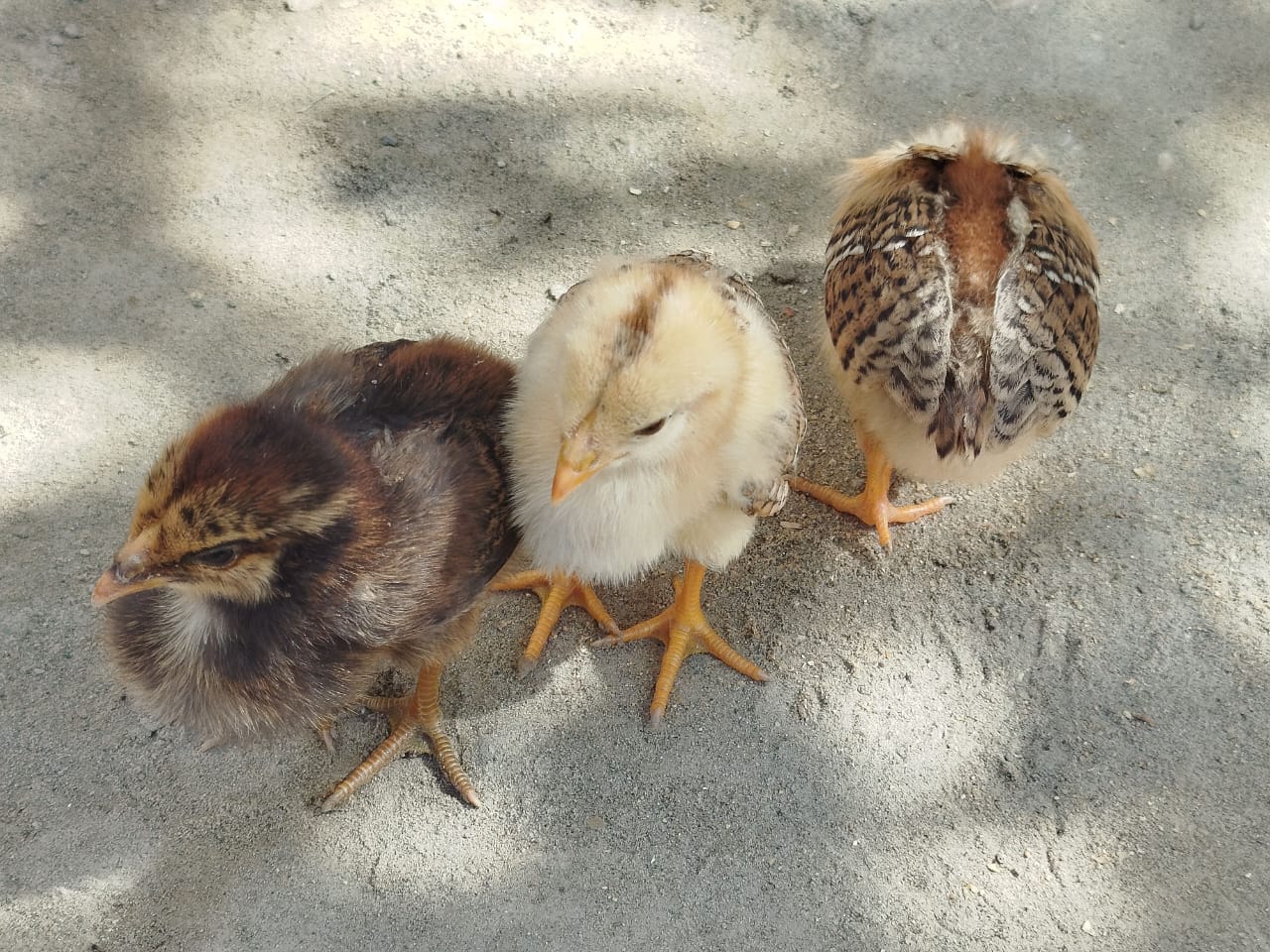
The first few weeks of a chick’s life are the most critical in poultry production. During this period, chicks are highly vulnerable to stress, disease, and changes in their environment because their bodies are still developing. Proper care during these early stages lays the foundation for healthy growth, strong immunity, and good productivity later in life.
Whether raising broilers for meat or layers for egg production, good brooding management is essential. Healthy chicks that receive proper nutrition, warmth, clean water, and a safe environment are more likely to survive, grow rapidly, and achieve their full genetic potential.
Successful poultry farmers understand that early management determines the performance of the entire flock. Investing time and attention during the brooding period reduces losses and increases profitability in the long run.
Prepare the Brooder Before the Chicks Arrive
A brooder should be fully prepared before day-old chicks are brought onto the farm.
The poultry house must be thoroughly cleaned and disinfected to reduce the risk of disease. Old litter should be removed, and all feeders, drinkers, and equipment should be washed and allowed to dry before use.
Fresh, dry bedding should be spread evenly across the floor, and the heating system should be tested several hours before the chicks arrive to ensure the brooder has reached the correct temperature.
Preparing the brooder in advance helps chicks settle quickly and minimizes stress during their first hours on the farm.
Select Healthy Day-Old Chicks
The quality of the chicks has a major influence on the success of the flock.
Healthy day-old chicks are active, alert, and responsive to movement. They have bright eyes, clean feathers, well-healed navels, and strong legs that allow them to walk easily. Weak, inactive, or injured chicks are less likely to grow well and may be more susceptible to disease.
Purchasing chicks from reputable hatcheries that follow good breeding and health management practices helps improve flock performance and survival.
Starting with healthy chicks gives farmers a strong foundation for successful poultry production.
Maintain the Correct Brooding Temperature
Newly hatched chicks cannot regulate their body temperature effectively and depend on external heat to stay warm.
The brooder should provide a comfortable and consistent temperature throughout the brooding period. If chicks become too cold, they huddle together beneath the heat source. If they become too hot, they spread out and move away from the heat.
Observing chick behavior is often the easiest way to determine whether the brooding temperature is appropriate. Comfortable chicks move freely around the brooder, eat well, drink regularly, and rest quietly.
Maintaining the correct temperature encourages healthy growth and reduces stress.
Provide Clean Water and Quality Starter Feed
Fresh, clean drinking water should be available immediately after the chicks arrive.
Water helps chicks recover from transport stress and encourages them to begin feeding. Drinkers should be cleaned daily to prevent contamination and the spread of disease.
A high-quality starter feed should also be provided from the first day. Starter feed contains the nutrients needed to support rapid growth, strong bones, feather development, and a healthy immune system.
Both feed and water should be easily accessible so that every chick can eat and drink without difficulty.
Ensure Proper Lighting and Ventilation
Good lighting encourages chicks to find feed and water easily during their early days of life.
Adequate ventilation is equally important because it supplies fresh air while removing excess moisture, heat, and harmful gases that may accumulate inside the brooder.
The poultry house should be well ventilated without exposing chicks to strong drafts. Fresh air supports healthy breathing and creates a comfortable environment for growth.
A well-managed brooder balances warmth, fresh air, and appropriate lighting to promote healthy chick development.
Maintain Clean and Dry Bedding
The condition of the litter has a direct impact on chick health.
Bedding materials such as wood shavings, rice husks, or other suitable materials should remain clean, dry, and loose throughout the brooding period. Wet or dirty litter creates favorable conditions for disease-causing organisms and increases the risk of foot and respiratory problems.
Regular inspection of the bedding allows farmers to replace damp areas before they become a problem.
Clean litter contributes to better hygiene, healthier chicks, and improved flock performance.
Vaccination and Disease Prevention
Disease prevention should begin as soon as chicks arrive on the farm.
Farmers should follow recommended vaccination schedules based on guidance from qualified veterinary professionals or local livestock authorities. Good biosecurity practices, including restricting unnecessary visitors, cleaning equipment, and preventing contact with wild birds, further reduce the risk of disease.
Daily observation allows farmers to identify sick or weak chicks early so that appropriate action can be taken before illness spreads throughout the flock.
Healthy birds grow faster and require fewer treatments during production.
Monitor Chick Growth and Behavior
Successful brooding requires regular observation.
Healthy chicks are active, eat and drink frequently, and are evenly distributed throughout the brooder. Changes in behavior, such as poor appetite, unusual sounds, difficulty walking, or excessive crowding, may indicate problems with temperature, nutrition, or health.
Monitoring body growth and checking feed and water consumption each day helps farmers identify management issues before they affect flock performance.
Consistent observation is one of the simplest and most effective management tools available.
Common Mistakes to Avoid
Many losses during the brooding period result from avoidable management errors.
Some of the most common mistakes include:
- Placing chicks in a brooder that has not been properly prepared.
- Providing insufficient heat or exposing chicks to sudden temperature changes.
- Allowing drinking water or feed to run out.
- Keeping wet or dirty litter for extended periods.
- Ignoring early signs of illness or delaying vaccination and biosecurity measures.
Avoiding these mistakes greatly improves chick survival and supports healthy growth.
Conclusion
The brooding period is the foundation of successful poultry production. Healthy day-old chicks require a clean and well-prepared brooder, adequate warmth, balanced nutrition, fresh water, proper ventilation, clean bedding, and effective disease prevention to achieve their full potential.
Careful observation during the first few weeks allows farmers to identify and correct problems before they become serious. Every management decision made during this stage influences future growth, productivity, and profitability.
By following these essential brooding practices, poultry farmers can raise strong, healthy chicks with high survival rates, setting the stage for a productive and profitable flock.
📩 Subscribe to Agronela Insights for expert content on Aquaculture, Crop Production, Livestock & Poultry, Food Nutrition & Health, and Agribusiness.
🌱 Informing, inspiring, and empowering the agricultural community.