



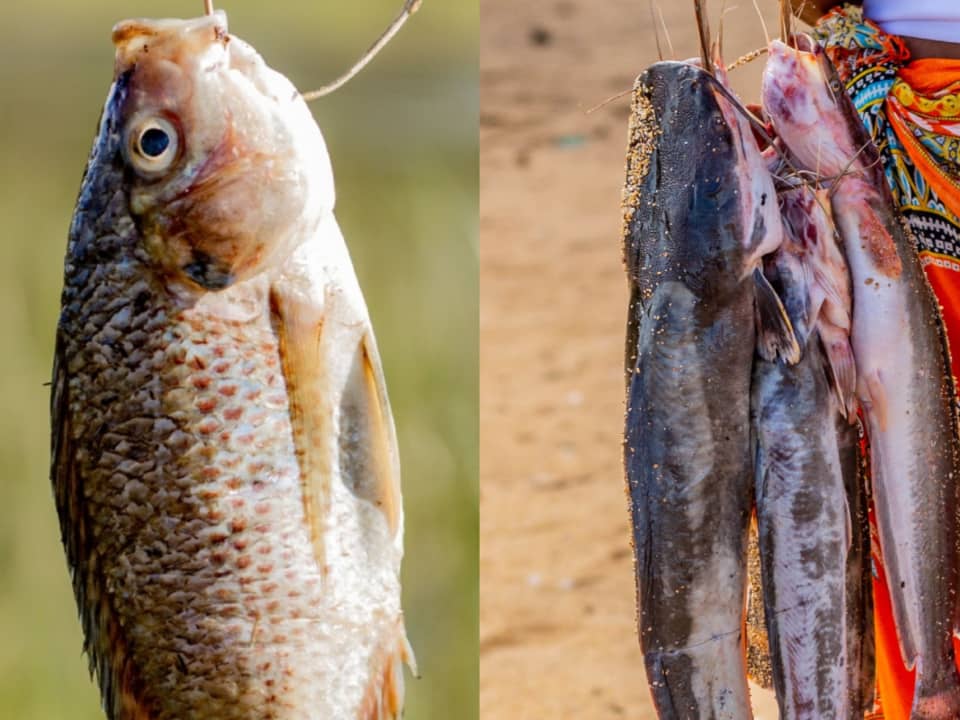
Tilapia and catfish are among the most widely farmed fish species in the world. Both are popular because they grow relatively quickly, are highly valued by consumers, and can be raised in a variety of aquaculture systems, including ponds, cages, tanks, and recirculating systems. For many new and experienced fish farmers, one of the most common questions is: Which species is more profitable to farm?
The answer is not always straightforward. Profitability depends on several factors, including production costs, market demand, feed management, growth rate, survival, and the farmer’s level of experience. A species that performs well on one farm may not necessarily be the most profitable on another.
Understanding the strengths and management requirements of both tilapia and catfish can help farmers make informed investment decisions.
Growth Rate and Production Cycle
Both tilapia and catfish have the potential to reach market size within a relatively short period when provided with quality feed and good management.
Catfish generally grow faster than tilapia under suitable farming conditions and can reach market size sooner. They are also known for their ability to tolerate a wider range of environmental conditions, making them suitable for different production systems.
Tilapia, however, also grows efficiently when stocked at appropriate densities and provided with balanced nutrition. Although the production cycle may be slightly longer in some farming systems, tilapia often produces consistent yields with proper management.
Regardless of the species, good feeding practices and water quality management remain the key drivers of growth.
Feeding and Management
Feed is usually the largest operating cost in fish farming, making feeding efficiency an important consideration.
Tilapia naturally feeds on a wide range of plant materials, algae, and formulated feeds, making it relatively efficient in many production systems. Catfish, on the other hand, require high-quality feeds that meet their nutritional needs for rapid growth.
Both species benefit from regular feeding schedules, good water quality, and careful observation during feeding. Overfeeding should be avoided because it wastes feed and can reduce water quality.
Efficient feed management has a greater influence on profitability than the choice of species alone.
Water Quality and Environmental Tolerance
Healthy water conditions are essential for successful fish farming.
Tilapia performs best in clean, well-managed water with adequate oxygen levels. Catfish are generally more tolerant of lower oxygen levels and changing environmental conditions, making them more adaptable in certain farming situations.
However, tolerance does not mean water quality should be neglected. Maintaining suitable water conditions supports healthy fish, improves feed conversion, and reduces the risk of disease in both species.
Good pond or tank management benefits all aquaculture enterprises regardless of the fish being raised.
Market Demand
A profitable fish farming business depends not only on production but also on reliable market opportunities.
Tilapia is widely consumed in many regions because of its mild flavor, firm flesh, and versatility in cooking. It is commonly sold fresh, chilled, or processed, creating a broad consumer market.
Catfish also enjoys strong demand in many areas, particularly where consumers prefer its distinctive taste and larger size. It is often marketed fresh, smoked, or processed into value-added products.
Before deciding which species to farm, producers should assess local market preferences, customer demand, and available marketing channels.
Production Costs and Profitability
The profitability of tilapia and catfish farming depends on how efficiently the farm is managed.
Feed costs, fingerling quality, water management, labor, disease prevention, and survival rates all influence the final financial return. Farmers who manage these factors effectively are more likely to earn higher profits regardless of the species they choose.
While catfish may offer faster growth under suitable conditions, tilapia often benefits from strong consumer demand and efficient production systems. The most profitable option is usually the one that matches the farmer’s available resources, technical knowledge, and market opportunities.
Successful fish farming is built on good management rather than relying solely on the choice of species.
Factors to Consider Before Choosing
Before investing in tilapia or catfish farming, farmers should carefully evaluate several important factors:
- Market demand and customer preferences.
- Availability of quality fingerlings and feed.
- Water supply and production system.
- Farm management skills and experience.
- Production costs and expected selling price.
Considering these factors before stocking fish reduces business risks and improves the likelihood of long-term success.
Conclusion
Both tilapia and catfish farming can be highly profitable when managed correctly. Each species has unique advantages, and neither is universally better than the other. Catfish often grow rapidly and tolerate a wider range of environmental conditions, while tilapia enjoys strong consumer demand and performs well under good management.
The most profitable farming enterprise is one that matches the farmer’s production goals, available resources, and target market. Careful planning, quality fingerlings, proper feeding, good water management, and effective marketing are far more important than the choice of species alone.
Rather than asking whether tilapia or catfish is more profitable in general, farmers should ask which species is best suited to their farming conditions and business objectives. With sound management and informed decision-making, either species can provide a sustainable and rewarding aquaculture enterprise.
📩 Subscribe to Agronela Insights for expert content on Aquaculture, Crop Production, Livestock & Poultry, Food Nutrition & Health, and Agribusiness.
🌱 Informing, inspiring, and empowering the agricultural community.