



How to Store Avocados for Longer: Best Practices to Maintain Freshness and Quality
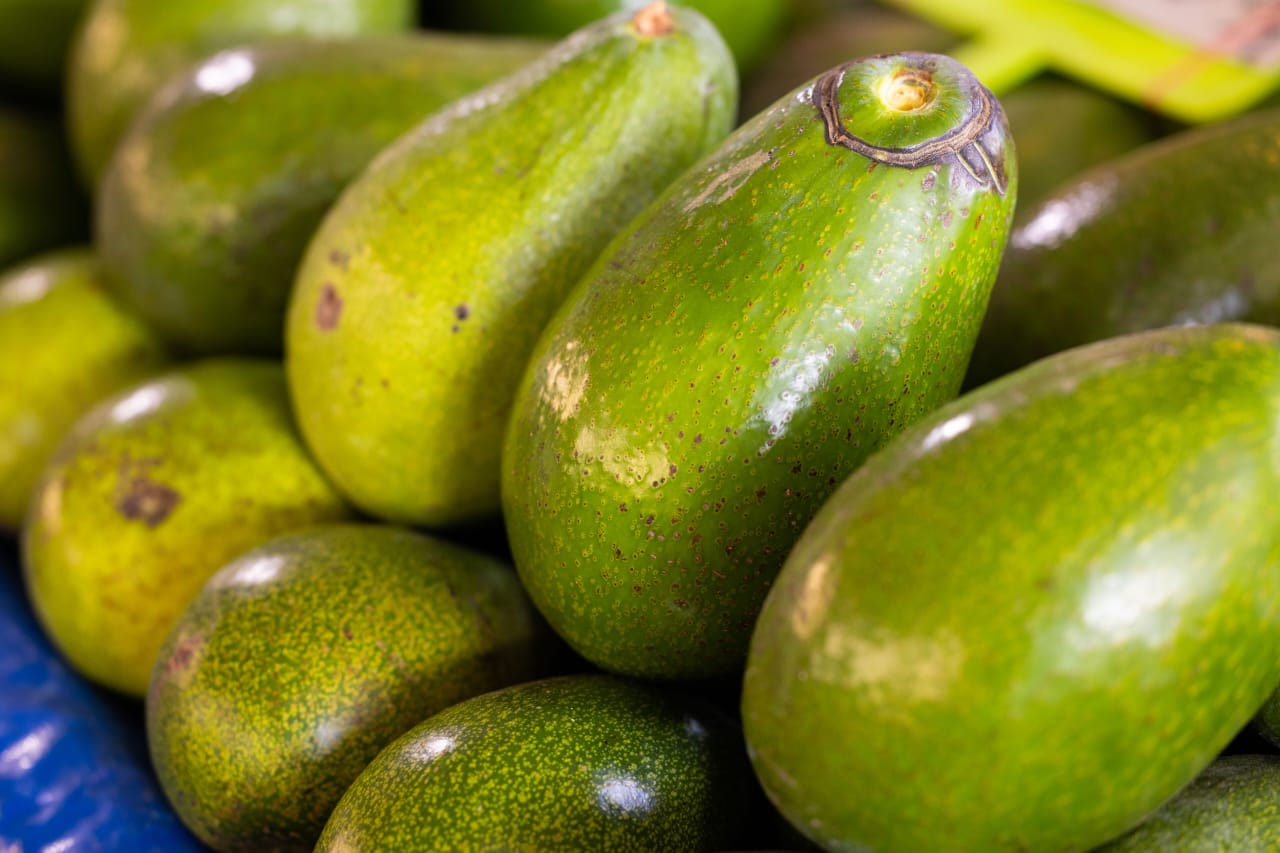
Avocados are highly valued for their creamy texture, delicious flavor, and impressive nutritional profile. They are rich in healthy fats, dietary fiber, vitamins, and minerals, making them a popular choice for salads, sandwiches, smoothies, and many other dishes. However, avocados can ripen quickly, and if they are not stored properly, they may become overripe and spoil within a short time.
Learning how to store avocados correctly helps reduce food waste, preserve their quality, and ensure they remain fresh for as long as possible. The best storage method depends on whether the avocado is unripe, ripe, or has already been cut.
By following a few simple practices, you can enjoy fresh avocados for longer while maintaining their taste and nutritional value.
Why Proper Avocado Storage Matters
Proper storage helps slow the natural ripening process and protects the fruit from unnecessary spoilage.
When avocados are stored under suitable conditions, they retain their texture, flavor, and nutritional quality for a longer period. Good storage also reduces food waste and saves money by allowing more of the fruit to be used before it spoils.
Understanding the stage of ripeness is the first step in choosing the most effective storage method.
Storing Unripe Avocados
Unripe avocados should be kept at room temperature until they soften naturally.
Placing them in a dry, well-ventilated area away from direct sunlight allows the fruit to ripen evenly. Depending on the variety and surrounding temperature, ripening may take several days.
If you would like to speed up the process, place the avocado in a paper bag with a ripe banana or apple. These fruits naturally release ethylene gas, which encourages faster ripening.
Avoid refrigerating hard, unripe avocados because cold temperatures can slow the ripening process and affect fruit quality.
Storing Ripe Avocados
Once an avocado has ripened and is ready to eat, refrigeration is the best way to slow further ripening.
Keeping ripe avocados in the refrigerator helps maintain their freshness for several additional days compared with leaving them at room temperature. Before refrigerating, check that the fruit is free from cuts or bruises that may speed up spoilage.
Although refrigeration extends shelf life, ripe avocados should still be consumed within a reasonable time for the best flavor and texture.
How to Store Cut Avocados
Cut avocados often turn brown after being exposed to air. This natural process, known as oxidation, affects their appearance but does not necessarily make them unsafe to eat.
To reduce browning, leave the seed in the unused half whenever possible and lightly brush the exposed flesh with lemon or lime juice. The natural acidity helps slow oxidation.
Wrap the avocado tightly or place it in an airtight container before storing it in the refrigerator. Limiting exposure to air helps preserve its color and freshness for a longer period.
Can You Freeze Avocados?
Yes. Freezing is a practical option when you have ripe avocados that cannot be used immediately.
For the best results, remove the skin and seed before freezing. The flesh can be mashed or cut into pieces and stored in airtight freezer containers or freezer bags. A small amount of lemon or lime juice may be added to help preserve color.
Frozen avocados are ideal for smoothies, dips, spreads, and sauces after thawing. However, freezing may slightly change their texture, making them less suitable for fresh salads or slices.
Common Storage Mistakes to Avoid
Several common mistakes can shorten the shelf life of avocados.
- Refrigerating unripe avocados before they have softened.
- Leaving ripe avocados at room temperature for too long.
- Storing cut avocados without covering the exposed surface.
- Keeping avocados in direct sunlight or very warm environments.
- Ignoring bruised or damaged fruits, which spoil more quickly.
Avoiding these simple mistakes helps maintain better fruit quality and reduces unnecessary waste.
Signs That an Avocado Has Spoiled
Knowing when an avocado is no longer suitable for consumption helps prevent food waste and protects food safety.
An avocado may have spoiled if it develops a sour or unpleasant smell, excessive soft or mushy areas, visible mould, or extensive dark discoloration throughout the flesh. Small brown spots are often harmless, but widespread deterioration usually indicates that the fruit should not be eaten.
Always inspect the fruit before consuming it, especially if it has been stored for several days.
Tips for Extending Avocado Shelf Life
Proper storage begins with choosing high-quality fruit and handling it carefully.
Some simple habits can help keep avocados fresh for longer:
- Buy avocados at different stages of ripeness if you do not plan to use them all at once.
- Handle the fruit gently to prevent bruising.
- Refrigerate ripe avocados if they will not be eaten immediately.
- Store cut avocados in airtight containers with minimal air exposure.
- Freeze excess ripe avocados for future use in cooked dishes or smoothies.
These practices help reduce waste while ensuring you always have fresh avocados available when needed.
Conclusion
Avocados are nutritious fruits that can be enjoyed in many different meals, but their short ripening period means they require proper storage to maintain freshness. Understanding how to store unripe, ripe, and cut avocados allows you to extend their shelf life while preserving their flavor, texture, and nutritional value.
Simple practices such as allowing unripe avocados to ripen naturally, refrigerating ripe fruit, protecting cut surfaces from air, and freezing surplus avocados can significantly reduce spoilage.
By storing avocados correctly, you can enjoy this healthy fruit for longer, reduce food waste, and make the most of every purchase.
📩 Subscribe to Agronela Insights for expert content on Aquaculture, Crop Production, Livestock & Poultry, Food Nutrition & Health, and Agribusiness.
🌱 Informing, inspiring, and empowering the agricultural community.