


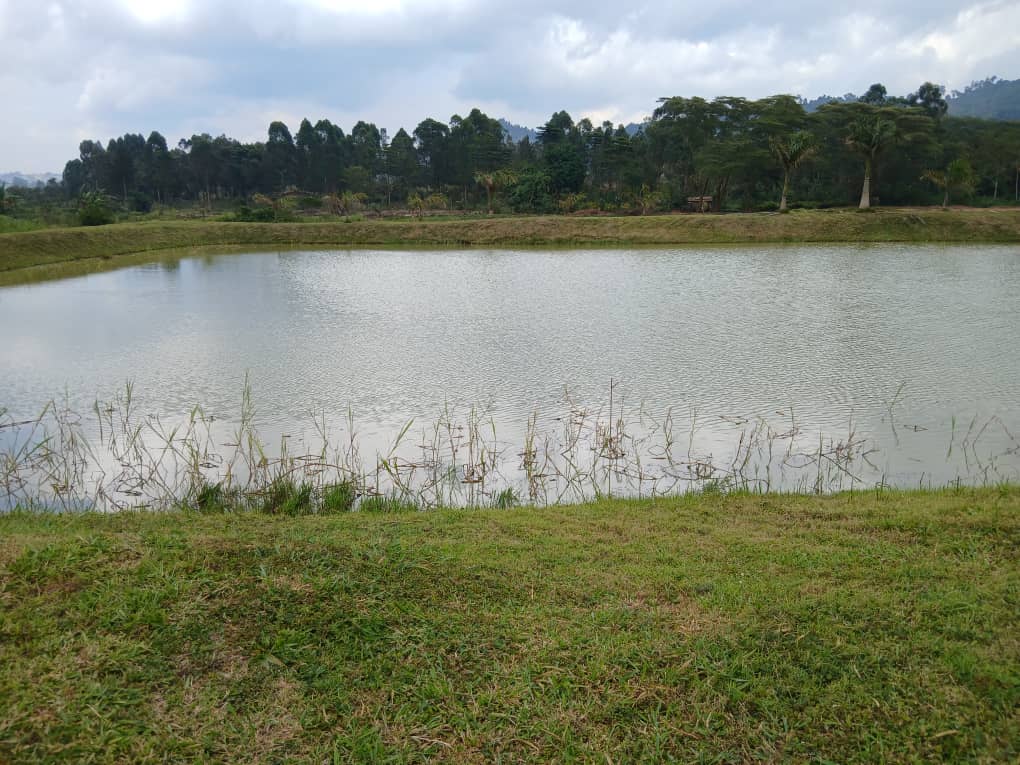
Fish farming has become an increasingly important agricultural enterprise in Uganda and many other parts of Africa. It provides farmers with an opportunity to produce high-quality protein, diversify their sources of income, and contribute to food security. However, successful aquaculture begins long before fish are stocked into a pond. The design, construction, and management of the pond play a major role in determining the productivity and profitability of the farm.
A well-constructed fish pond provides a healthy environment where fish can grow efficiently with minimal stress. Poorly designed ponds, on the other hand, may lead to water management problems, disease outbreaks, slow fish growth, and unnecessary financial losses.
Whether you are planning to establish a small family fish farm or a commercial aquaculture enterprise, understanding the essential steps of fish pond construction and management is key to long-term success.
Choosing the Right Site
Selecting a suitable location is one of the most important decisions when constructing a fish pond. The site should have reliable access to clean water throughout the year and should not be prone to flooding or pollution.
The soil should be able to hold water effectively, reducing the risk of seepage and water loss. Areas with gentle slopes are generally easier to develop because they allow for efficient drainage and water management.
Accessibility is another important consideration. A fish pond should be located where farmers can easily transport feed, equipment, and harvested fish to and from the farm.
Taking time to select the right site helps reduce construction costs and supports efficient pond management.
Planning and Constructing the Pond
Proper planning ensures that the pond meets the needs of both the fish and the farmer.
The pond should be designed with the appropriate size and depth for the intended production system. It should also include structures that allow water to enter and leave the pond efficiently. Controlled water movement makes it easier to manage water quality and harvest fish when the production cycle is complete.
Strong pond embankments are essential to prevent erosion and reduce the risk of damage during heavy rains. Farmers should also remove tree roots, stones, and other materials that could weaken the pond structure or interfere with management activities.
Investing in quality construction reduces future maintenance costs and increases the lifespan of the pond.
Preparing the Pond Before Stocking
A newly constructed or previously used pond should be properly prepared before fish are introduced.
Preparation may include drying the pond, removing unwanted fish or predators, repairing damaged embankments, and ensuring that the water supply system is functioning properly.
If organic manure or fertilizers are used to encourage the growth of natural fish food, they should be applied according to recommended practices. The pond should then be filled with clean water and allowed to stabilize before stocking.
Careful preparation creates a healthy environment that supports fish survival and growth from the beginning of the production cycle.
Stocking Healthy Fingerlings
The quality of fingerlings has a significant influence on the success of a fish farming enterprise.
Farmers should obtain fingerlings from reputable hatcheries that produce healthy, disease-free fish. Weak or poor-quality fingerlings often grow slowly and may experience higher mortality rates.
Stocking should also be done at the recommended density. Overstocking increases competition for food and oxygen, while understocking may reduce overall farm productivity.
Healthy fingerlings placed in a well-prepared pond provide the best foundation for a successful harvest.
Feeding and Water Management
Proper feeding and water management are essential for maintaining healthy fish and achieving good growth.
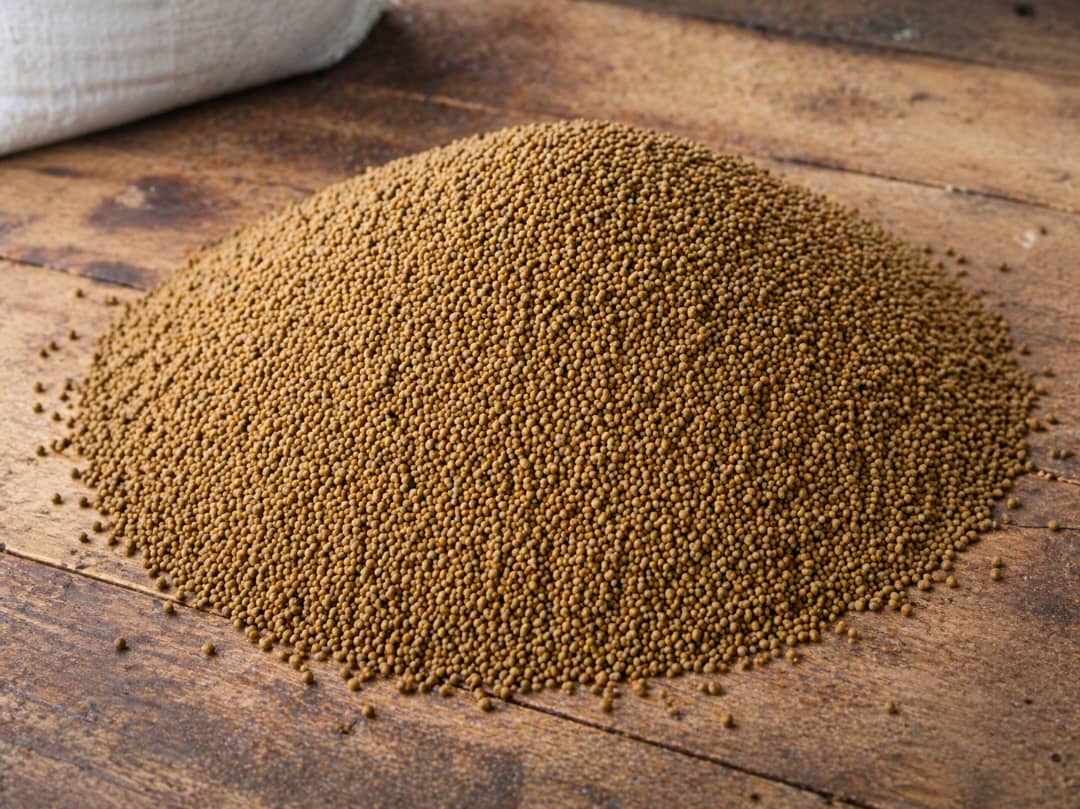
Fish should receive high-quality feed that matches their species and stage of development. Feeding should be done consistently, and farmers should observe fish during feeding to ensure they are eating normally.
Water quality should also be monitored regularly. Clean, well-oxygenated water promotes healthy fish growth, while poor water conditions can lead to stress, disease, and reduced productivity.
Managing feed and water together helps create an environment where fish can thrive throughout the production cycle.
Maintaining a Healthy Pond Environment
Good pond management extends beyond feeding the fish. Farmers should regularly inspect the pond for signs of leaks, erosion, excessive weed growth, or other problems that may affect production.
Keeping the pond clean and controlling unwanted vegetation helps maintain good water quality and allows fish to move freely. Farmers should also remove dead fish immediately and investigate the cause of any unusual mortality.
Routine maintenance prevents small problems from becoming costly challenges and supports efficient farm operation.
Preventing Diseases and Predators
Healthy fish are less likely to experience disease outbreaks.
Maintaining good water quality, avoiding overcrowding, using quality feed, and stocking healthy fingerlings all contribute to disease prevention. Farmers should also monitor fish behavior regularly because changes in feeding or swimming patterns may indicate health problems.
Predators such as birds, snakes, frogs, and other animals can also reduce fish production if ponds are left unprotected. Installing protective measures such as fencing or bird deterrents can help minimize losses.
Prevention is usually more effective and less expensive than treating disease outbreaks or replacing lost fish.
Harvesting and Record Keeping
Harvesting should be carried out when fish reach the desired market size and demand is favorable. Careful handling during harvest helps reduce stress and maintains the quality of the fish.
Equally important is maintaining accurate farm records. Information on stocking dates, feed usage, growth rates, mortality, production costs, and sales enables farmers to evaluate the performance of their enterprise.
Good records make it easier to identify areas for improvement and support better planning for future production cycles.
Conclusion
Constructing and managing a fish pond requires careful planning, proper construction, and consistent management throughout the production cycle. Every stage, from selecting a suitable site and preparing the pond to feeding fish, maintaining water quality, preventing diseases, and harvesting, contributes to the success of the farm.
Fish farming is not simply about raising fish; it is about creating and maintaining an environment where fish can grow efficiently and remain healthy. Farmers who apply good pond management practices are more likely to achieve higher survival rates, better growth, improved yields, and greater profitability.
With increasing demand for fish in Uganda and beyond, well-managed fish ponds provide an excellent opportunity for farmers to build sustainable and profitable aquaculture enterprises.