







The Importance of Fertilizers in Crop Production: Enhancing Soil Fertility and Agricultural Productivity
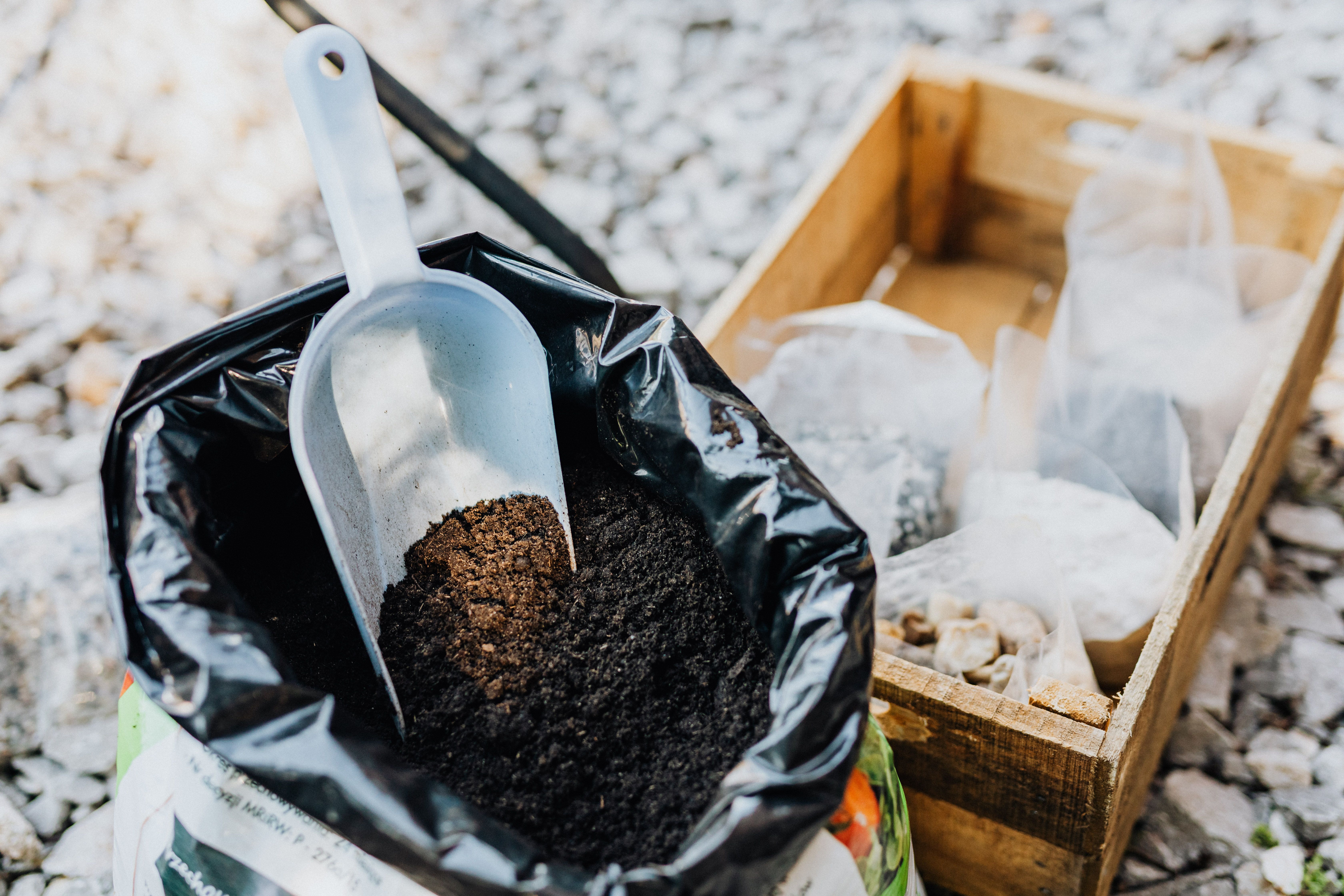
Agriculture depends heavily on healthy and fertile soil. Every crop, whether maize, tomatoes, rice, beans, or vegetables, requires essential nutrients to grow, develop, and produce high yields. However, continuous cultivation gradually removes these nutrients from the soil. If they are not replaced, soil fertility declines, leading to poor crop performance and reduced harvests.
This is where fertilizers play a crucial role. Fertilizers provide crops with the nutrients they need to grow vigorously and achieve their full yield potential. When used correctly, they can significantly improve agricultural productivity, enhance food security, and increase farmers’ incomes.
Understanding the importance of fertilizers and how they contribute to crop production is essential for every farmer seeking to maximize the productivity of their land.
Why Crops Need Nutrients
Just like humans require food for growth and health, plants require nutrients to develop properly. Throughout their growth cycle, crops absorb nutrients from the soil through their roots. These nutrients support important processes such as root development, leaf formation, flowering, and fruit or grain production.
Over time, repeated cropping, erosion, and nutrient leaching can reduce the amount of available nutrients in the soil. As fertility declines, crops often become weaker, grow more slowly, and produce lower yields.
Fertilizers help replenish these lost nutrients, ensuring that plants have access to the resources they need for healthy growth.
How Fertilizers Improve Crop Growth
One of the most noticeable benefits of fertilizer use is improved plant growth. Crops that receive adequate nutrients often develop stronger root systems, healthier leaves, and more vigorous growth compared to crops growing in nutrient-deficient soils.
Healthy plants are generally better able to utilize sunlight, absorb water efficiently, and withstand environmental stress. As a result, they are more likely to reach their full productive potential.
For many farmers, the difference between a poor harvest and a profitable one can often be linked to proper nutrient management.
Enhancing Soil Fertility
Fertilizers contribute to maintaining and improving soil fertility by replacing nutrients removed during previous harvests. Without nutrient replacement, soils gradually lose their productive capacity.
Both organic and inorganic fertilizers can play a role in improving fertility. Organic fertilizers such as compost and animal manure not only supply nutrients but also improve soil structure and increase organic matter content. Inorganic fertilizers provide concentrated nutrients that are readily available to crops.
When used together as part of an integrated soil fertility management strategy, these fertilizer sources can help maintain productive soils over the long term.
Increasing Agricultural Productivity
One of the primary reasons farmers use fertilizers is to increase crop yields. Nutrient-deficient crops often struggle to achieve optimal growth, resulting in lower production.
By supplying essential nutrients at the right time, fertilizers help crops develop more efficiently and produce larger harvests. Higher yields can contribute to improved household food supplies and greater income opportunities for farming families.
As the global population continues to grow, improving agricultural productivity remains a key priority for ensuring adequate food production.
Supporting Crop Quality
Fertilizers do more than increase the quantity of crops produced; they can also improve crop quality.
Well-nourished plants often produce fruits, vegetables, and grains with better size, appearance, and market value. Healthy crops are generally more attractive to consumers and may command better prices in the marketplace.
For commercial farmers, improved quality can be just as important as increased yield when it comes to profitability.
The Importance of Proper Fertilizer Use
While fertilizers offer many benefits, their effectiveness depends on proper application. Applying too little may fail to meet crop needs, while excessive application can waste resources and potentially harm the environment.
Farmers should consider factors such as crop type, soil condition, and growth stage when making fertilizer decisions. Soil testing, where available, can provide valuable information about nutrient requirements and help guide fertilizer use.
Responsible fertilizer management helps maximize benefits while minimizing unnecessary costs and environmental impacts.
Balancing Productivity and Sustainability
Modern agriculture faces the challenge of increasing food production while protecting natural resources. Fertilizers are an important tool for achieving this balance when used responsibly.
Combining fertilizer use with practices such as crop rotation, organic matter application, conservation farming, and proper water management can help support both productivity and sustainability.
A balanced approach ensures that soils remain productive not only for current crops but also for future generations of farmers.
Conclusion
Fertilizers play a vital role in modern crop production by supplying essential nutrients, improving soil fertility, and supporting higher agricultural productivity. They help farmers overcome nutrient deficiencies, achieve better yields, and improve crop quality.
However, fertilizers are most effective when used as part of a broader soil management strategy that promotes long-term soil health and sustainability. By understanding the role of fertilizers and applying them wisely, farmers can enhance the productivity of their land while safeguarding valuable agricultural resources.
In today’s agriculture, maintaining fertile soils is not simply a matter of increasing production it is an investment in the future of farming and food security.
📩 Subscribe to Agronela Insights for expert content on Aquaculture, Crop Production, Livestock & Poultry, Food Nutrition & Health, and Agribusiness.
🌱 Informing, inspiring, and empowering the agricultural community.