








Uganda’s coffee industry is going through an important period of growth. Coffee exports have reached record levels, bringing billions of dollars into the country and strengthening coffee’s position as one of Uganda’s most important agricultural exports.
However, there is another side to the story. While Uganda is exporting more coffee, international prices have recently come under pressure. This creates an important question for farmers: Does higher export volume automatically mean higher income for coffee growers?
The answer is not always yes.
Understanding what is happening in the coffee market can help farmers make better decisions about production, quality, harvesting, marketing, and investment in their coffee gardens.
Uganda’s Coffee Exports Have Reached New Heights
Uganda has significantly increased the amount of coffee it exports in recent years.
According to the Uganda Coffee Development Authority (UCDA), coffee exports for the 12 months from March 2025 to February 2026 reached 8.8 million 60-kilogram bags, worth about US$2.5 billion. This represented a 41% increase in export volume and a 61% increase in export value compared with the previous 12-month period.
The growth reflects increasing production, improved coffee farming, and continued investment across the coffee value chain.
Coffee’s importance to Uganda’s economy is also reflected in more recent reporting. Between December 2024 and December 2025, Uganda exported about 8.7 million 60-kilogram bags valued at approximately US$2.4 billion.
These numbers show that Uganda is becoming an increasingly important player in the international coffee market.
Why Are Coffee Exports Increasing?
One important reason is that Uganda has been investing in expanding coffee production.
The country has promoted the planting of new coffee trees, rehabilitation of old gardens, improved farming practices, and greater access to planting materials. Government programmes have also expanded coffee production into areas that were previously less involved in commercial coffee growing.
The expansion is not limited to traditional coffee-growing regions. UCDA has been supporting coffee development in northern Uganda, while other areas are also showing growing interest in commercial coffee production.
More productive coffee gardens mean that Uganda can supply larger quantities to international buyers.
But Why Are Prices Falling?
The increase in exports does not mean coffee prices will continue rising.
UCDA’s February 2026 coffee report provides a good example. Uganda exported 651,933 bags that month, compared with 567,226 bags in February 2025. However, the average export price fell to US$4.63 per kilogram, compared with US$5.03 per kilogram in February 2025.
The decline was linked partly to expectations of increased global coffee supplies, including stronger production forecasts from major producers such as Brazil. When the expected supply of coffee increases, international buyers may become less willing to pay exceptionally high prices.
This is an important lesson for farmers: a country can export more coffee while the price per kilogram falls.
What Does This Mean for Coffee Farmers?
For farmers, the most important figure is not simply the country’s total export earnings. What matters is how much money eventually reaches the farm.
When international prices fall, exporters and traders may reduce the prices they offer to farmers. However, the price received by a farmer also depends on coffee quality, form, location, buyer competition, transport costs, and the stage at which the coffee is sold.
UCDA’s February 2026 figures, for example, showed average farm-gate prices of about UGX 5,750 per kilogram for Robusta Kiboko, UGX 12,250 for FAQ, UGX 15,500 for Arabica parchment, and UGX 14,500 for Drugar.
These figures demonstrate why farmers should not treat “the coffee price” as one single number. Different types and qualities of coffee can have very different values.
Quality Can Help Farmers Protect Their Income
When international markets become less favourable, producing high-quality coffee becomes even more important.
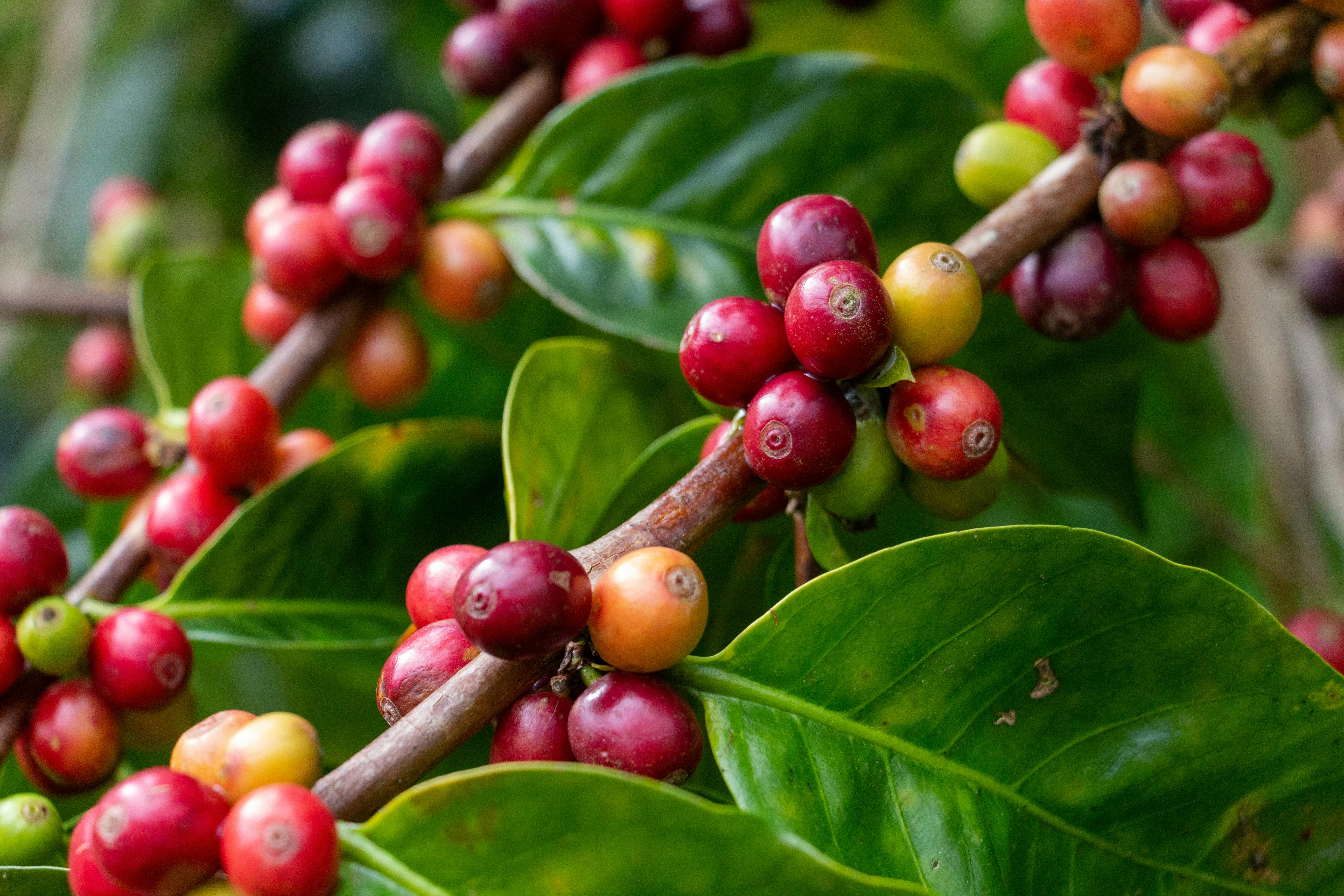
Farmers should pay attention to harvesting only ripe cherries, avoiding contamination, drying coffee properly, and storing it under suitable conditions.
Poor post-harvest handling can reduce coffee quality and therefore reduce the price a farmer receives.
Good agricultural practices also matter. Healthy coffee trees, proper pruning, adequate nutrition, pest and disease management, and timely harvesting all contribute to better yields and quality.
A farmer cannot control the international coffee price, but they can improve many of the factors that determine the quality and productivity of their own coffee.
Should Farmers Increase Coffee Production?
Uganda’s strong export performance may encourage farmers to plant more coffee, but expansion should be approached carefully.
Coffee is a long-term investment. A farmer must consider land availability, labour, planting materials, soil conditions, water availability, expected production costs, and access to reliable buyers before establishing a new coffee garden.
Farmers should also avoid depending entirely on one source of income. Where suitable, coffee can be integrated with food crops, livestock, bananas, or other farm enterprises.
This can provide food and income while coffee trees are still developing or when coffee prices are weak.
The Bigger Opportunity: Adding Value
Uganda’s coffee boom is also creating opportunities beyond growing and exporting raw coffee.
Processing, roasting, packaging, branding, storage, transportation, quality testing, and domestic coffee consumption can all create additional value within the country.
The government has recently placed greater emphasis on moving from exporting raw agricultural commodities towards value-added products. The 2026/27 budget identifies agro-processing, value addition, quality assurance, and expanded market access among its priorities.
There have also been discussions about reducing dependence on exports of unprocessed coffee and increasing local processing so that more economic value remains within Uganda.
For farmers and entrepreneurs, this could create new opportunities in the coffee value chain.
What Can Farmers Do When Prices Fall?
Farmers cannot control the international market, but they can make their businesses more efficient.
Producing higher-quality coffee, reducing post-harvest losses, keeping good farm records, comparing prices from different buyers, and working with reliable market partners can help farmers improve their returns.
Farmers can also consider collective marketing through organised groups where appropriate. Selling larger quantities of consistent quality can make it easier to negotiate with buyers and access better markets.
Most importantly, farmers should avoid making major production decisions based only on a temporary increase in coffee prices.
Coffee prices can rise and fall, while the coffee tree remains productive for many years.
Uganda’s Coffee Future Looks Promising but Farmers Need More Than High Export Numbers
Uganda’s record coffee exports demonstrate the country’s growing capacity to produce and compete in the international market. The increase to 8.8 million bags exported over the March 2025–February 2026 period is a significant achievement.
However, record exports alone do not guarantee that every coffee farmer will become more profitable.
International prices can change, production costs can rise, and a large harvest can sometimes contribute to greater supply and lower prices. The long-term success of Uganda’s coffee industry will therefore depend not only on producing more coffee, but also on improving quality, productivity, processing, market access, and the share of value retained within the country.
Conclusion
Uganda’s coffee industry is experiencing remarkable growth, with export volumes and earnings reaching levels that would have seemed difficult to imagine only a few years ago.
At the same time, recent price movements show why farmers should not judge the health of the coffee sector by export volumes alone. International supply and demand can cause prices to fall even when Uganda is exporting more coffee.
For farmers, the best response is to focus on what they can control: healthy and productive trees, good harvesting practices, proper post-harvest handling, consistent quality, careful cost management, and access to reliable markets.
Uganda’s coffee boom presents a major opportunity. But turning that national growth into better livelihoods for farmers will require more than producing more coffee, it will require producing better coffee, reducing losses, improving market access, and capturing more value along the coffee value chain.
