




Broiler Chicken Health: Essential Management Practices for Healthy Growth and Disease Prevention
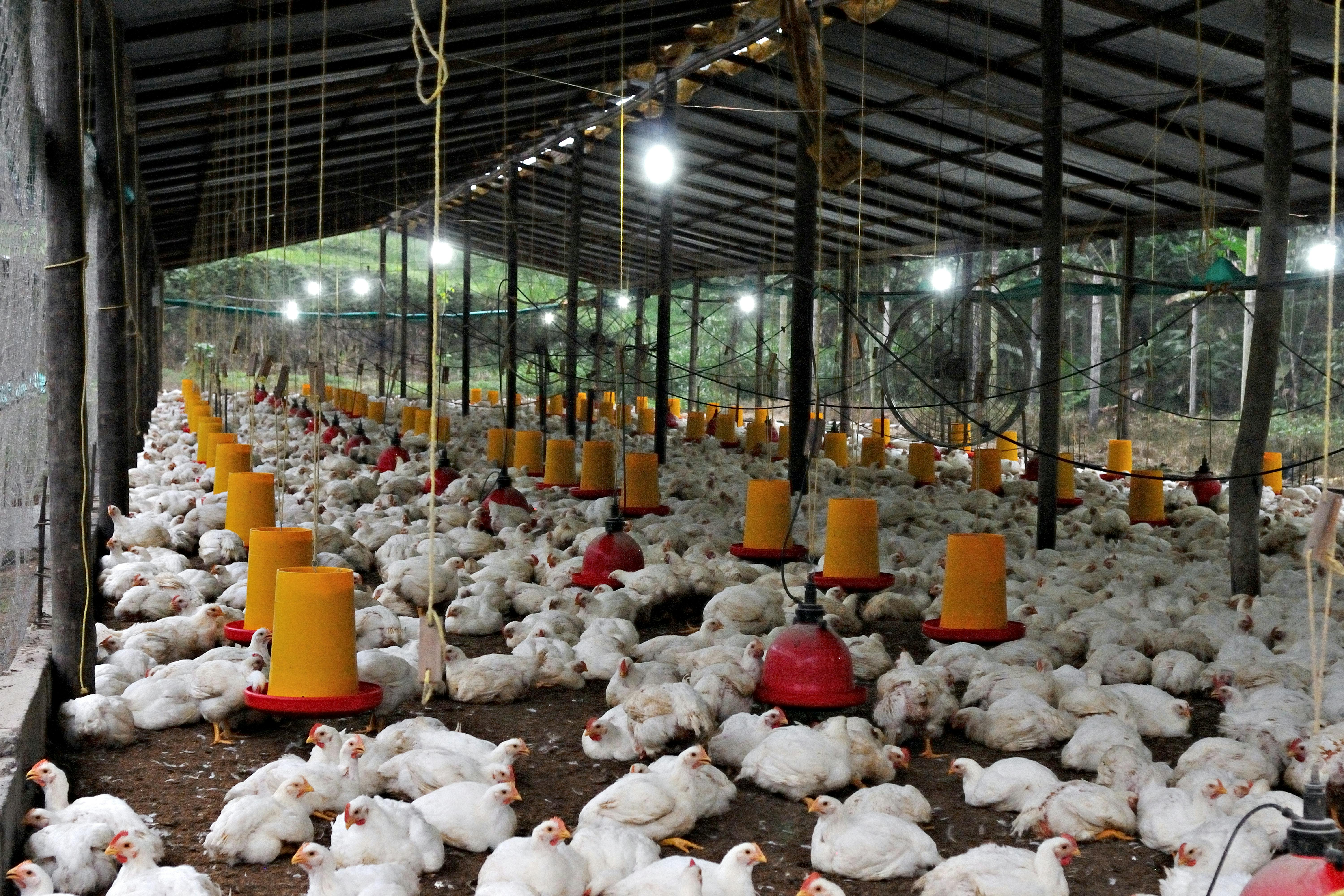
Healthy broiler chickens grow faster, use feed more efficiently, and produce high-quality meat. Good health management is one of the most important factors that determine whether a broiler farming business is profitable or not. Even a small disease outbreak can lead to poor growth, high treatment costs, and heavy losses if not controlled quickly.
Keeping broilers healthy is not just about treating sick birds. It involves providing good housing, quality feed, clean water, proper hygiene, and protecting the flock from diseases before they occur. Farmers who focus on prevention usually spend less on medication and achieve better production results.
Whether you are raising a few birds in your backyard or managing a commercial poultry farm, following good health management practices will help you produce healthy broilers with high survival rates.
Why Broiler Health Is Important
Healthy birds grow quickly and reach market weight within the expected production period. They also convert feed into body weight more efficiently, helping farmers reduce production costs.
On the other hand, unhealthy birds eat less, grow slowly, and are more likely to die before they are ready for sale. Disease outbreaks can also spread rapidly through a flock, causing major financial losses.
Maintaining good flock health improves productivity, meat quality, and overall farm profitability.
Provide Proper Housing and Ventilation
A clean, comfortable poultry house creates the right environment for broiler chickens to grow.
The house should protect birds from rain, strong winds, predators, and extreme temperatures. It should also have enough ventilation to allow fresh air to circulate while removing excess heat, moisture, and harmful gases.
Avoid overcrowding because too many birds in a small space increase stress and make diseases spread more easily.
A well-designed poultry house keeps birds comfortable and supports healthy growth.
Feed a Balanced Diet and Provide Clean Drinking Water
Good nutrition is essential for strong, healthy broilers.
Provide quality commercial feed or a properly balanced homemade ration that meets the nutritional needs of the birds at each stage of growth. Using the correct starter, grower, and finisher feeds helps birds achieve their full growth potential.
Clean drinking water should always be available. Water containers should be washed regularly to prevent the build-up of dirt and harmful germs.
Healthy birds need both nutritious feed and plenty of clean water every day.
Practise Good Biosecurity
Biosecurity means taking simple steps to prevent diseases from entering or spreading on the farm.
Limit unnecessary visitors to the poultry house and ensure anyone entering wears clean footwear or uses a disinfectant footbath. Clean and disinfect equipment regularly, and avoid sharing cages, feeders, or drinkers with other farms unless they have been properly sanitised.
New birds should be kept separate from the existing flock for a period before mixing them together.
Strong biosecurity is one of the best ways to prevent costly disease outbreaks.
Follow a Vaccination Programme
Vaccination helps protect broilers against several serious poultry diseases.
Farmers should follow the vaccination programme recommended by local veterinary authorities or poultry specialists. Vaccines should be stored, handled, and administered correctly to ensure they remain effective.
Keeping accurate records of vaccinations also helps farmers monitor flock health and plan future production.
Vaccination works best when combined with good hygiene and proper management.
Prevent Common Broiler Diseases
Broiler chickens can be affected by diseases caused by viruses, bacteria, parasites, and poor management.
Common health problems include Newcastle disease, Gumboro disease (Infectious Bursal Disease), coccidiosis, chronic respiratory disease, and fowl typhoid. Many of these diseases spread quickly when hygiene is poor or birds are overcrowded.
Farmers can reduce disease risk by maintaining clean housing, following vaccination programmes, providing balanced nutrition, controlling parasites, and removing sick birds from the flock as soon as they are identified.
Early prevention is always better than expensive treatment.
Keep the Litter Clean and Dry
Litter plays an important role in maintaining bird health.
Wet or dirty litter encourages the growth of harmful bacteria, parasites, and fungi while increasing the amount of ammonia in the poultry house. High ammonia levels can irritate the birds’ eyes and breathing passages, reducing their performance.
Remove wet patches promptly, especially around drinkers, and replace litter whenever necessary to keep it clean and dry.
Good litter management creates a healthier environment for the flock.
Reduce Stress
Stress weakens the birds’ natural ability to fight diseases and slows their growth.
Sudden changes in temperature, poor ventilation, overcrowding, rough handling, loud noises, and lack of feed or water can all cause stress.
Keeping a consistent daily routine, handling birds gently, and providing comfortable housing help reduce stress and improve production.
Calm birds are generally healthier and grow more efficiently.
Recognise Early Signs of Illness
Observing the flock every day allows farmers to detect health problems before they become serious.
Some warning signs include reduced feed or water intake, slow growth, coughing, sneezing, diarrhoea, difficulty breathing, swollen eyes, ruffled feathers, weakness, or birds gathering together away from the rest of the flock.
A sudden increase in deaths should never be ignored.
Early detection allows farmers to respond quickly and minimise losses.
When to Seek Veterinary Assistance
Some poultry diseases cannot be identified by appearance alone.
If birds continue to die, show unusual symptoms, or fail to respond to normal management, farmers should seek help from a qualified veterinarian or livestock extension officer as soon as possible.
Avoid treating birds with medicines without proper advice, as incorrect use of antibiotics and other drugs may not solve the problem and can contribute to drug resistance.
Professional diagnosis helps ensure that the correct treatment and control measures are used.
Conclusion
Maintaining good broiler health requires careful attention throughout the production cycle. Proper housing, balanced nutrition, clean water, strong biosecurity, vaccination, clean litter, stress reduction, and daily observation all work together to keep birds healthy and productive.
Disease prevention is always more effective and less expensive than treatment. Farmers who invest in good management practices are more likely to achieve faster growth, lower mortality, better feed efficiency, and higher profits.
By making flock health a daily priority, broiler farmers can build successful and sustainable poultry enterprises while producing safe, high-quality chicken for the market.
📩 Subscribe to Agronela Insights for expert content on Aquaculture, Crop Production, Livestock & Poultry, Food Nutrition & Health, and Agribusiness.
🌱 Informing, inspiring, and empowering the agricultural community.