







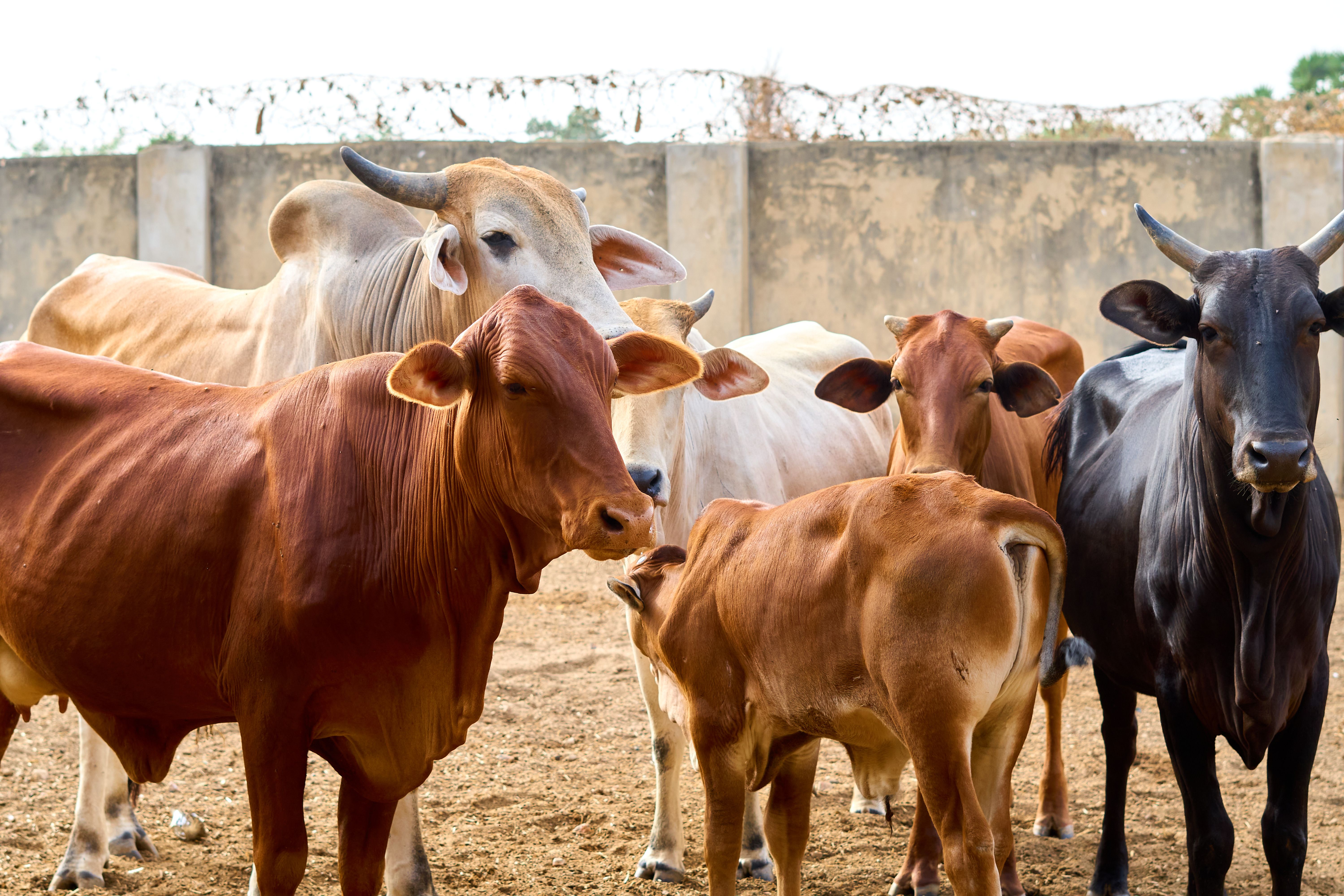
Tick-borne diseases are among the most significant health challenges affecting cattle production in many tropical and subtropical regions. These diseases reduce animal productivity, increase treatment costs, lower milk and meat production, impair reproductive performance, and can lead to death if not managed promptly. For livestock farmers, preventing tick-borne diseases is far more effective and economical than treating sick animals after infection has occurred.
Ticks not only weaken cattle by feeding on their blood but also transmit harmful disease-causing organisms such as bacteria and protozoa. Common tick-borne diseases affecting cattle include East Coast fever, anaplasmosis, babesiosis, and heartwater, all of which can cause severe economic losses if left uncontrolled.
An effective prevention program combines proper tick control, good nutrition, vaccination where available, sound grazing management, and regular monitoring of herd health. Farmers who consistently apply these practices can maintain healthier cattle and improve the profitability of their livestock enterprises.
Understanding Tick-Borne Diseases
Ticks become infected when they feed on diseased animals and can later transmit pathogens to healthy cattle during subsequent blood meals.
Young calves, newly introduced animals, and cattle with weakened immune systems are often more susceptible to severe infections. Early detection and preventive management are therefore essential for reducing disease outbreaks.
Understanding how ticks spread disease enables farmers to implement effective control strategies before infections occur.
Implement an Effective Tick Control Program
Controlling ticks remains the most important strategy for preventing tick-borne diseases.
Farmers should inspect their cattle regularly for ticks, paying particular attention to areas such as the ears, neck, dewlap, udder, tail, and between the legs where ticks commonly attach.
Approved acaricides can be applied through spraying, dipping, or pour-on formulations according to veterinary recommendations. Correct application methods and recommended treatment intervals are essential to achieve effective control while reducing the risk of acaricide resistance.
Rotating acaricide products when advised by veterinary professionals may also help slow the development of resistant tick populations.
Consistent tick control significantly reduces disease transmission.
Maintain Good Pasture and Grazing Management
Pasture management plays an important role in reducing tick populations.
Overgrown vegetation provides favorable habitats for ticks, making regular pasture maintenance beneficial. Rotational grazing allows some paddocks to rest, helping reduce tick numbers while improving pasture productivity.
Where practical, avoiding grazing cattle in heavily tick-infested areas lowers the risk of exposure, particularly for young calves and newly introduced animals.
Good pasture management supports both animal health and sustainable livestock production.
Strengthen Herd Health Through Proper Nutrition
Well-nourished cattle are generally better able to resist disease and recover from infections.
Balanced diets containing adequate energy, protein, vitamins, minerals, and clean water support a healthy immune system and improve overall productivity. Nutritional deficiencies weaken animals and increase their susceptibility to disease.
Providing mineral supplements where necessary further supports growth, reproduction, and disease resistance.
Good nutrition should always be considered an essential component of disease prevention.
Vaccination and Veterinary Health Programs
Vaccination is available for some tick-borne diseases in certain regions and may form part of an integrated disease control program.
Farmers should consult qualified veterinarians or local livestock authorities regarding vaccines that are appropriate for their production systems and geographical areas.
Routine veterinary health visits also allow early identification of disease risks, timely treatment of sick animals, and development of effective herd health plans.
Preventive veterinary care is often less costly than managing major disease outbreaks.
Quarantine Newly Introduced Animals
Introducing new cattle without proper precautions can spread ticks and infectious diseases throughout the herd.
New animals should be isolated for an appropriate observation period before mixing with the resident herd. During quarantine, they should be carefully inspected, treated for ticks if necessary, and monitored for signs of illness.
This simple biosecurity practice greatly reduces the risk of introducing new diseases onto the farm.
Maintaining a closed or carefully managed herd improves long-term disease control.
Monitor Cattle Regularly
Daily observation allows farmers to detect health problems before they become severe.
Signs commonly associated with tick-borne diseases include fever, loss of appetite, weakness, swollen lymph nodes, pale mucous membranes, difficulty breathing, reduced milk production, weight loss, and reluctance to move. Some diseases may also cause red or dark-colored urine, depending on the specific infection.
Any animal showing unusual signs should be examined promptly by a qualified veterinarian to ensure accurate diagnosis and appropriate treatment.
Early intervention greatly improves the chances of recovery and limits disease spread within the herd.
Maintain Good Farm Hygiene and Biosecurity
Strong biosecurity practices reduce the introduction and spread of both ticks and infectious diseases.
Equipment used on cattle should be cleaned regularly, and unnecessary movement of animals between farms should be minimized. Visitors, vehicles, and livestock entering the farm should follow appropriate hygiene measures where possible.
Keeping animal housing clean and managing manure effectively also contributes to healthier livestock environments.
Biosecurity works best when applied consistently throughout the year.
Common Mistakes Farmers Should Avoid
Several management errors increase the risk of tick-borne disease outbreaks.
Some of the most common include:
- Applying acaricides at incorrect doses or irregular intervals.
- Using the same acaricide repeatedly without professional guidance, which may encourage resistance.
- Introducing new cattle directly into the herd without quarantine.
- Ignoring early signs of illness or delaying veterinary treatment.
- Allowing poor nutrition and inadequate pasture management to weaken herd health.
Avoiding these mistakes helps protect cattle from unnecessary disease losses and improves overall farm productivity.
Conclusion
Tick-borne diseases remain a major challenge in cattle production, but they can be effectively controlled through preventive management. Regular tick control, good pasture management, balanced nutrition, vaccination where appropriate, strict biosecurity, quarantine of new animals, and routine health monitoring all work together to reduce disease risk.
Farmers who adopt an integrated approach to tick management not only protect the health and welfare of their cattle but also improve milk production, weight gain, reproductive performance, and farm profitability.
Successful livestock production depends on prevention rather than treatment. By investing in effective tick control and sound herd management practices, farmers can build healthier herds and achieve more sustainable, productive cattle enterprises.
📩 Subscribe to Agronela Insights for expert content on Aquaculture, Crop Production, Livestock & Poultry, Food Nutrition & Health, and Agribusiness.
🌱 Informing, inspiring, and empowering the agricultural community.