



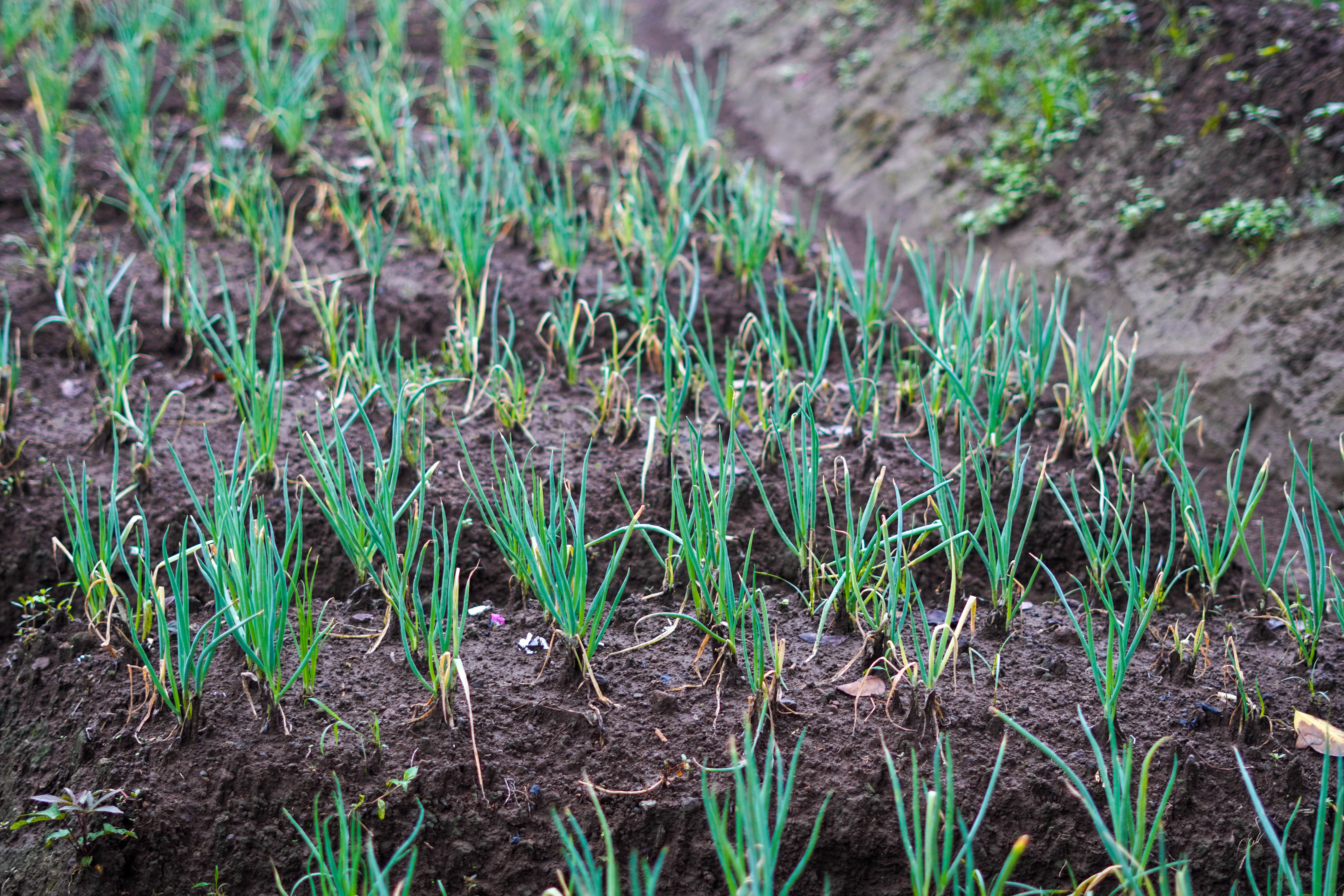
Onions are among the most important vegetable crops grown in Uganda due to their high demand in households, restaurants, hotels, food processing industries, and local markets. They are used daily in the preparation of many meals, making them one of the most profitable vegetables for both small-scale and commercial farmers. As urban populations continue to grow, the demand for quality onions remains strong throughout the year.
Onion farming can generate attractive returns when managed properly. However, achieving high yields and producing bulbs that meet market standards require careful planning, proper crop management, and timely field operations. Farmers who understand the crop’s requirements are better positioned to reduce production losses and improve profitability.
By following recommended agricultural practices from land preparation to postharvest handling, onion growers can produce healthy crops and consistently harvest high-quality bulbs.
Importance of Onion Farming in Uganda
Onions contribute significantly to household incomes, food security, and employment opportunities along the agricultural value chain. Besides supplying fresh markets, onions are sold to wholesalers, retailers, supermarkets, restaurants, and food processors.
The crop has a relatively short production cycle compared to many perennial crops, allowing farmers to earn income several times a year where irrigation is available. Onion farming also creates opportunities in seed production, transport, storage, packaging, and marketing.
With proper management and access to reliable markets, onions can become an important source of sustainable farm income.
Suitable Onion Varieties
Selecting an appropriate variety is one of the first decisions that determines crop performance.
Farmers should choose varieties that are well adapted to local growing conditions, produce good-quality bulbs, and show tolerance to common pests and diseases. Desired characteristics often include high yield potential, uniform bulb size, good storage ability, and strong market acceptance.
Certified seed purchased from reputable suppliers improves germination, crop uniformity, and overall productivity.
Climate and Soil Requirements
Onions grow best under moderate temperatures with plenty of sunlight throughout the growing season.
The crop performs well in fertile, well-drained soils rich in organic matter. Waterlogged soils should be avoided because excessive moisture encourages root diseases and reduces bulb quality.
Before planting, farmers should ensure that the selected field has good drainage and receives adequate sunlight, as these conditions support healthy bulb development.
Choosing a suitable site greatly increases the chances of producing high-quality onions.
Land Preparation
Proper land preparation creates favorable conditions for seedling establishment and root growth.
The field should be cleared of weeds, crop residues, and other unwanted materials before cultivation begins. The soil should then be prepared into a fine seedbed that allows good root penetration and uniform plant growth.
Incorporating well-decomposed farmyard manure or compost during land preparation helps improve soil fertility, soil structure, and moisture retention.
A well-prepared field supports healthy crop establishment from the beginning.
Seed Selection and Nursery Establishment
Healthy seedlings begin with high-quality seed.
Farmers should use certified seed that is free from diseases and has high germination potential. In many production systems, onion seeds are first raised in a nursery before being transplanted into the main field.
The nursery should be located in a well-drained area with fertile soil and access to clean water. Regular watering and proper weed management encourage the production of vigorous seedlings that establish quickly after transplanting.
Strong seedlings are more likely to produce healthy, uniform bulbs.
Transplanting and Proper Spacing
Seedlings should be transplanted when they are healthy and well developed.
Proper spacing allows each plant to receive adequate sunlight, nutrients, water, and air circulation. Crowded plants compete for resources, resulting in smaller bulbs and increased disease risk.
Transplanting should preferably be done during the cooler hours of the day to reduce transplant shock and improve seedling survival.
Correct spacing contributes to better crop growth and higher marketable yields.
Fertilizer and Nutrient Management
Onions require balanced nutrition throughout their growth cycle.
Organic manure improves soil health and supports long-term fertility, while mineral fertilizers provide nutrients needed for vigorous leaf growth and bulb development. Fertilizer application should be based on soil conditions and local recommendations to avoid nutrient deficiencies or excessive applications.
Maintaining adequate soil fertility throughout the growing season encourages uniform bulb formation and improved yields.
Healthy nutrition also increases the crop’s ability to withstand environmental stress.
Irrigation and Water Management
Consistent soil moisture is essential for successful onion production.
Young plants require adequate water to establish healthy root systems, while developing bulbs need sufficient moisture to achieve good size and quality. However, excessive irrigation should be avoided because waterlogged soils increase the risk of diseases and poor bulb development.
Efficient irrigation practices help conserve water while maintaining favorable growing conditions.
Regular monitoring of soil moisture allows farmers to supply water according to crop needs.
Weed Control
Weeds compete directly with onions for sunlight, nutrients, moisture, and space.
Because onions have relatively shallow root systems and slow early growth, effective weed control is particularly important during the first stages of crop development.
Hand weeding, mulching, and other appropriate weed management practices help maintain healthy crop growth while reducing competition throughout the season.
Keeping fields clean also improves air circulation and reduces the risk of pest and disease problems.
Common Pests and Diseases
Several pests and diseases can reduce onion yields if not properly managed.
Farmers should inspect their fields regularly for signs of damage and respond promptly when problems are detected. Good field sanitation, crop rotation, healthy planting material, proper spacing, and balanced fertilization all contribute to reducing pest and disease pressure.
An integrated management approach that combines preventive cultural practices with approved control methods provides the most sustainable protection for onion crops.
Early detection remains one of the most effective strategies for minimizing production losses.
Harvesting and Postharvest Handling
Onions should be harvested when the bulbs have reached full maturity and the tops begin to dry and naturally fall over.
Harvesting at the correct stage improves storage life and bulb quality. After lifting, the bulbs should be cured in a dry, well-ventilated area to allow the outer skins and necks to dry properly.
Once cured, onions should be sorted to remove damaged or diseased bulbs before storage or marketing.
Proper postharvest handling reduces losses and helps maintain market quality for longer periods.
Marketing Opportunities
Uganda has a strong and growing market for onions throughout the year.
Farmers can sell their produce through local markets, wholesalers, supermarkets, hotels, restaurants, food processors, and regional export markets. Proper grading, attractive packaging, and consistent product quality often enable growers to obtain better prices.
Storing onions under suitable conditions also allows farmers to market their produce when prices become more favorable.
Understanding market demand helps farmers maximize the profitability of their onion enterprises.
Conclusion
Onion farming offers excellent opportunities for farmers seeking a profitable vegetable enterprise. Success depends on selecting suitable varieties, preparing fertile soils, using quality seed, establishing healthy seedlings, managing water and nutrients effectively, controlling weeds, pests, and diseases, and harvesting bulbs at the correct stage of maturity.
Proper postharvest handling and effective marketing further improve product quality and increase farm income. Farmers who consistently apply these best management practices are more likely to achieve healthy crops, high yields, and strong financial returns.
With careful planning and sound agronomic management, onion production can become a sustainable and rewarding enterprise that contributes to household income, food security, and the continued growth of Uganda’s horticultural sector.
📩 Subscribe to Agronela Insights for expert content on Aquaculture, Crop Production, Livestock & Poultry, Food Nutrition & Health, and Agribusiness.
🌱 Informing, inspiring, and empowering the agricultural community.