



Apple Farming In Uganda: Essential Practices for Healthy Trees and High-Quality Fruit
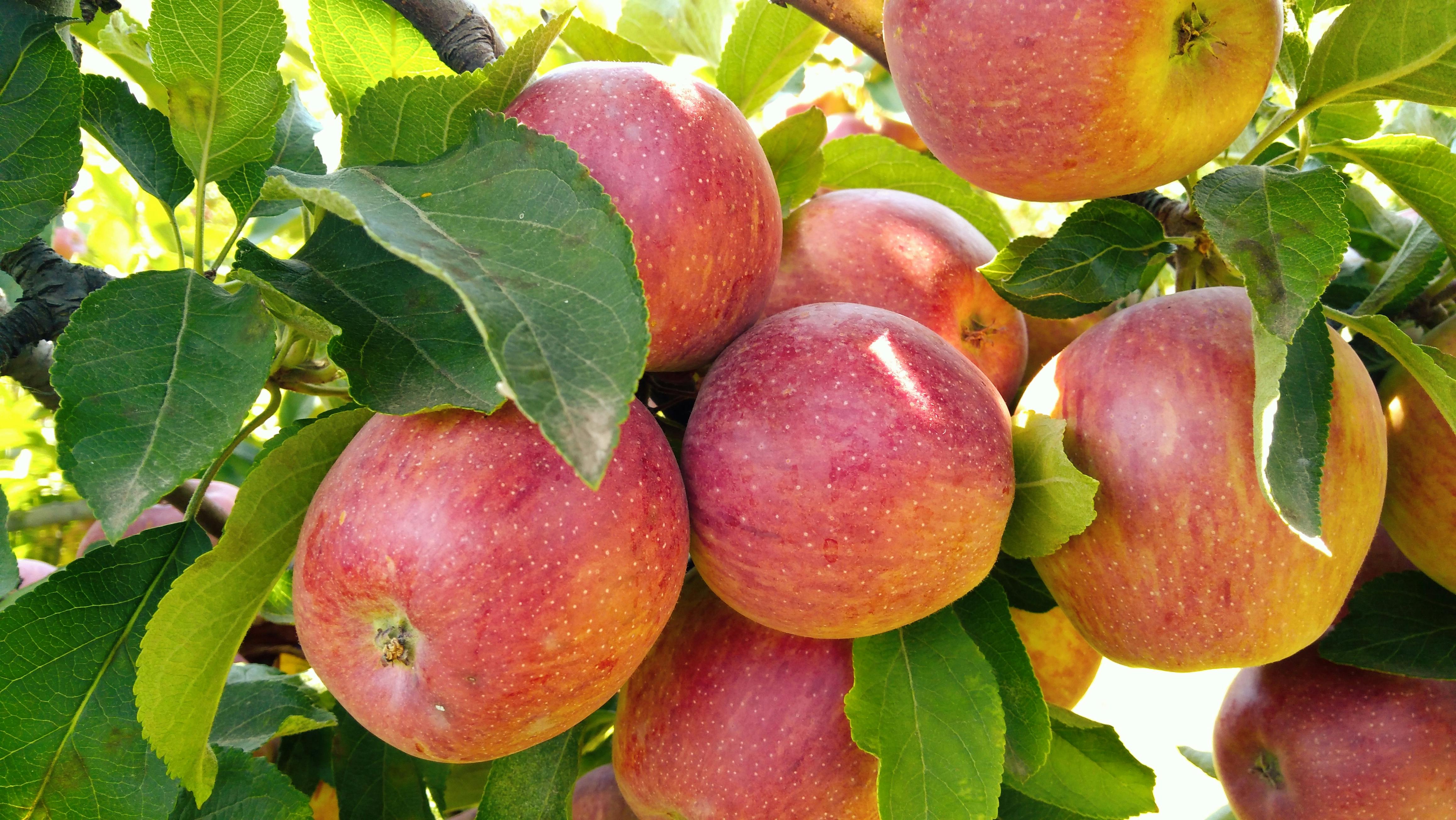
Apples are among the world’s most valuable fruit crops, appreciated for their crisp texture, pleasant flavor, long shelf life, and excellent nutritional value. They are consumed fresh, processed into juice, dried, or used in a wide variety of food products. As consumer demand for fresh fruit continues to grow, apple production offers farmers an opportunity to diversify their enterprises and generate long-term income.
Unlike seasonal vegetables, apple trees are a long-term investment that can remain productive for many years. Success depends on careful planning, selecting suitable planting sites, and providing consistent care throughout the life of the orchard. Farmers who establish healthy trees and manage them properly are rewarded with better fruit quality, higher yields, and more profitable harvests.
Although apples are traditionally associated with temperate climates, modern varieties have made it possible to grow them successfully in suitable highland areas of several tropical countries. In Uganda, commercial apple production is most successful in cooler high-altitude regions such as Kabale, Kisoro, Kapchorwa, and parts of the Mount Elgon and Rwenzori Mountain areas, where environmental conditions are more favorable for healthy tree growth.
Choose Suitable Apple Varieties
The success of an apple orchard begins with selecting varieties that are well adapted to local growing conditions.
Apple varieties differ in their growth habits, fruit color, size, flavor, maturity period, and resistance to pests and diseases. Some are mainly grown for fresh consumption, while others are preferred for juice, baking, or food processing.
Farmers should select varieties that perform well in their climate and meet market preferences. Purchasing certified seedlings from reputable nurseries helps ensure healthy trees with good productivity and lower disease risk.
Choosing the right variety is one of the most important decisions because an orchard may remain productive for several decades.
Understand Climate and Altitude Requirements
Climate is one of the biggest factors determining the success of apple farming.
Apple trees perform best in cool environments where temperatures support proper flowering, fruit development, and overall tree health. In tropical countries, apples are generally grown in higher-altitude areas where the climate is naturally cooler.
For farmers in Uganda, apple production is most suitable in highland districts such as Kabale, Kisoro, Kapchorwa, and mountainous areas around Mount Elgon and the Rwenzori ranges. These locations provide temperatures that are more favorable than the hotter lowland regions.
Farmers outside these areas should carefully assess whether local climatic conditions are suitable before investing in apple production.
Prepare the Soil Properly
Apple trees require fertile, deep, and well-drained soils to support healthy root development.
Before planting, the land should be cleared of weeds and cultivated thoroughly. Incorporating well-decomposed compost or farmyard manure improves soil fertility, enhances soil structure, and increases moisture retention while maintaining good drainage.
Heavy soils that remain waterlogged after rainfall should be avoided because excess moisture can damage roots and reduce tree growth.
Healthy soil provides the foundation for productive orchards and high-quality fruit.
Select Healthy Seedlings and Plant Correctly
The quality of planting material greatly influences the future performance of the orchard.
Only vigorous, disease-free seedlings with well-developed root systems should be planted. Planting holes should be large enough to allow roots to spread naturally without bending or overcrowding.
Trees should be spaced adequately to allow enough sunlight and air movement throughout the orchard. Proper spacing reduces competition for nutrients and water while making pruning, spraying, and harvesting easier.
After planting, the seedlings should be watered thoroughly to help the roots establish quickly.
Water and Feed Trees for Healthy Growth
Young apple trees require regular watering until they become well established. Mature trees also need sufficient moisture during flowering, fruit development, and prolonged dry periods.
Both excessive watering and prolonged drought can reduce fruit quality and tree health. Maintaining consistent soil moisture encourages healthy growth throughout the growing season.
Apple trees also benefit from balanced nutrition. Organic manure improves soil fertility over time, while fertilizers provide nutrients needed for healthy leaves, strong branches, flowering, and fruit production.
Healthy trees produce larger and better-quality fruits.
Mulching and Weed Control
Mulching is a valuable practice in apple orchards.
Organic mulch helps conserve soil moisture, regulate soil temperature, suppress weed growth, and gradually improve soil fertility as it breaks down. Mulch should be placed around the tree while leaving a small gap around the trunk to prevent excess moisture from accumulating against the bark.
Regular weed control is equally important because weeds compete with young trees for water, nutrients, and sunlight.
Maintaining a clean orchard promotes stronger tree growth and better fruit production.
Pruning and Training Apple Trees
Pruning is essential for maintaining healthy and productive apple trees.
Removing dead, damaged, or overcrowded branches improves air circulation and allows sunlight to reach all parts of the canopy. Good light penetration encourages better flowering, improves fruit quality, and reduces the risk of certain diseases.
Training young trees into a strong framework also supports heavy fruit loads as the orchard matures.
Regular pruning keeps trees vigorous and productive throughout their lifespan.
Manage Pests and Diseases
Like many fruit crops, apples are vulnerable to several pests and diseases that can reduce yield and fruit quality.
Farmers should inspect orchards regularly and respond quickly whenever signs of damage are detected. Good sanitation, proper pruning, removal of diseased plant material, and maintaining healthy trees all help reduce pest and disease pressure.
An integrated approach that combines cultural practices, biological methods, and approved control measures provides the most sustainable protection for apple orchards.
Preventive management is usually more effective than responding after severe damage has occurred.
Ensure Good Pollination
Pollination is essential for successful fruit production.
Many apple varieties produce higher yields when compatible pollinating varieties are planted nearby. Bees and other pollinating insects transfer pollen between flowers, improving fruit set and increasing both the quantity and quality of harvested apples.
Protecting pollinators by maintaining a healthy orchard environment benefits long-term production.
Harvest and Handle Fruit Carefully
Apples should be harvested when they have reached the appropriate maturity for their intended market.
Harvesting should be done carefully to avoid bruising or damaging the fruit, as injuries reduce storage life and market quality. After harvest, fruits should be sorted to remove damaged apples before storage or marketing.
Keeping harvested apples in cool, clean, and well-ventilated conditions helps preserve freshness and extends shelf life.
Proper postharvest handling allows farmers to deliver high-quality fruit to consumers while reducing losses.
Conclusion
Apple farming can be a rewarding long-term investment when suitable growing conditions and proper orchard management practices are combined. Choosing appropriate varieties, planting healthy seedlings, preparing fertile soil, providing adequate water and nutrients, pruning regularly, controlling pests and diseases, and harvesting carefully all contribute to healthy trees and consistent production.
For Ugandan farmers, apple production offers promising opportunities in cooler highland regions where the climate supports successful cultivation. With careful planning, continuous management, and patience, apple orchards can provide reliable harvests, attractive fruit quality, and sustainable income for many years.
As consumer demand for fresh fruit continues to increase, well-managed apple orchards remain an excellent opportunity for farmers looking to diversify their production and invest in a high-value fruit crop.