



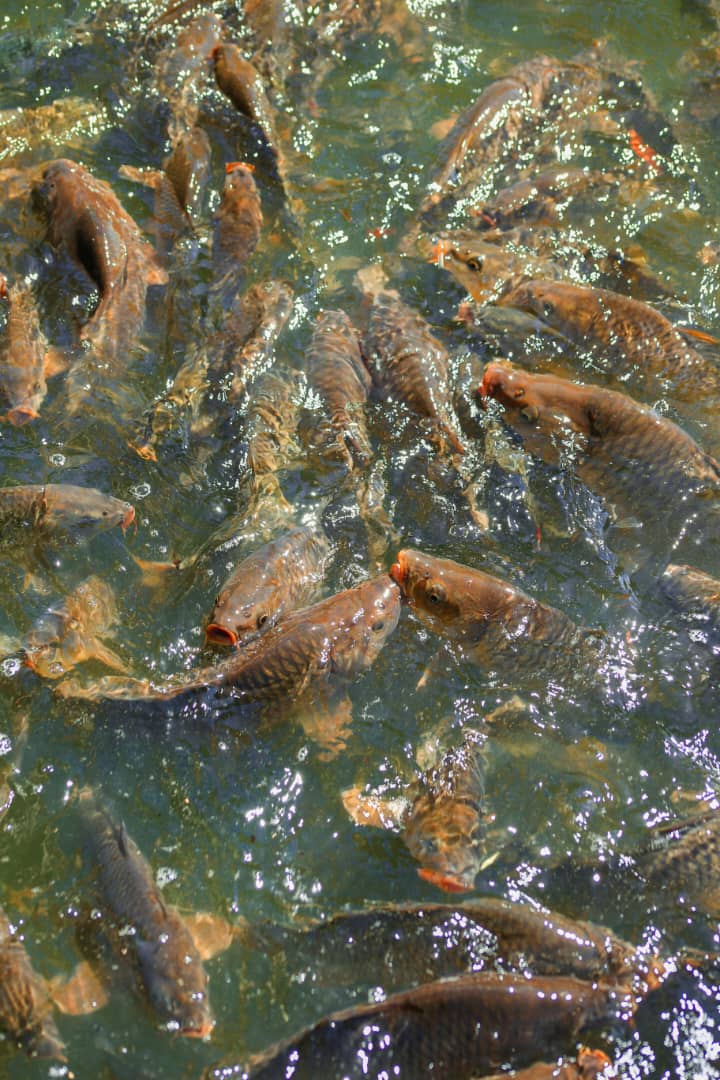


Tilapia farming has become one of the fastest-growing agricultural enterprises in Uganda, driven by increasing demand for fish, a growing population, and the need for sustainable sources of animal protein. As capture fisheries from natural water bodies face increasing pressure, aquaculture is playing an increasingly important role in meeting the country’s demand for fish while creating employment and income for farmers.
Uganda is well suited for tilapia farming because of its favorable climate, abundant freshwater resources, and expanding aquaculture sector. Whether produced in earthen ponds, cages on lakes, or modern tank systems, Nile tilapia has become the preferred species for many fish farmers due to its fast growth, adaptability, and strong consumer demand.
However, successful tilapia farming requires careful planning and sound management. Farmers who apply recommended production practices are more likely to achieve healthy fish, good growth rates, and profitable harvests.
Why Tilapia Farming Is Growing in Uganda
Several factors have contributed to the rapid growth of tilapia farming across the country.
Demand for fish continues to increase as consumers seek affordable, nutritious sources of protein. At the same time, aquaculture provides opportunities for employment, income generation, and business development along the fish value chain, including hatcheries, feed production, processing, transportation, and marketing.
Government support, research institutions, private-sector investment, and farmer training programs have also contributed to the expansion of commercial fish farming in recent years.
As production technologies continue to improve, tilapia farming is becoming an increasingly attractive enterprise for both small-scale and commercial producers.
Choosing the Right Production System
Tilapia can be raised successfully using several aquaculture systems.
Earthen ponds remain the most common production system because they are relatively affordable and suitable for many farming conditions. Cage farming has also expanded rapidly on large water bodies, allowing farmers to produce fish on a commercial scale where suitable sites are available. Tank-based systems are increasingly being adopted in areas with limited land or where farmers prefer more controlled production.
Each production system has its own advantages, costs, and management requirements. Farmers should select the option that matches their available resources, technical knowledge, and long-term business goals.
Stock Quality Fingerlings
The success of a tilapia farm begins with healthy fingerlings.
Farmers should obtain fingerlings from reputable hatcheries that produce healthy, active, and fast-growing fish. High-quality fingerlings establish more quickly, experience lower mortality, and usually achieve better growth throughout the production cycle.
Before stocking, farmers should ensure that ponds, cages, or tanks are properly prepared and capable of providing suitable conditions for healthy fish development.
Starting with quality fingerlings greatly improves the chances of a successful harvest.
Feed Fish Properly
Feed accounts for the largest share of production costs in most tilapia farms, making efficient feeding one of the most important management practices.
Fish should receive high-quality feeds that are appropriate for their size and stage of growth. Young fish require starter feeds with higher nutrient levels, while larger fish benefit from grower and finisher feeds formulated for efficient weight gain.
Feeding should be done consistently and in the right amounts. Overfeeding wastes feed and reduces water quality, while underfeeding slows growth and delays harvest.
Observing fish during feeding helps farmers adjust feeding rates and identify health problems at an early stage.
Maintain Good Water Quality
Healthy water is essential for healthy fish.
Tilapia grows best in clean water with adequate oxygen and stable environmental conditions. Farmers should monitor water quality regularly and take corrective action whenever problems are detected.
Good pond management includes maintaining appropriate water depth, preventing excessive accumulation of waste, and protecting water sources from pollution. In cage and tank systems, regular monitoring is equally important to ensure fish remain in a healthy environment.
Proper water management improves growth, reduces stress, and lowers the risk of disease.
Prevent Diseases Through Good Management
Disease outbreaks can cause significant economic losses if not managed properly.
The most effective approach is prevention through good farm management. Farmers should stock healthy fingerlings, avoid overcrowding, maintain clean equipment, and monitor fish daily for unusual behavior or signs of illness.
Any sick or dead fish should be removed promptly, and professional advice should be sought whenever disease is suspected.
Strong biosecurity measures help protect fish stocks and improve overall farm productivity.
Harvesting and Marketing
Tilapia should be harvested when the fish reach the preferred market size.
Harvesting can be done all at once or in stages, depending on the production system and market demand. Fish should be handled carefully to minimize stress and preserve flesh quality.
Successful farmers often identify reliable buyers before harvest, including local markets, restaurants, supermarkets, processors, and wholesalers. Proper planning reduces delays in marketing and helps maintain product quality.
Exploring value-added products such as fillets, smoked fish, or packaged fresh fish can also increase income and expand market opportunities.
Challenges Facing Tilapia Farming in Uganda
Despite its strong potential, tilapia farming also faces several challenges.
Some farmers struggle with the high cost of quality feed, limited access to improved fingerlings, disease outbreaks, fluctuating market prices, and inadequate technical knowledge. Climate variability and poor water management can also affect production.
Addressing these challenges requires continuous learning, proper farm planning, adoption of improved technologies, and access to reliable extension and advisory services.
Farmers who invest in knowledge and good management are generally better prepared to overcome these obstacles.
Conclusion
Tilapia farming offers significant opportunities for improving food security, creating employment, and generating income in Uganda. The country’s favorable climate, abundant freshwater resources, and growing demand for fish provide a strong foundation for continued growth of the aquaculture sector.
However, success depends on more than simply stocking fish. Quality fingerlings, balanced feeding, good water management, disease prevention, and effective marketing all play vital roles in achieving profitable production.
With careful planning, continuous learning, and the adoption of best management practices, tilapia farming can become a sustainable and rewarding enterprise that contributes to both household livelihoods and the continued development of Uganda’s aquaculture industry.
📩 Subscribe to Agronela Insights for expert content on Aquaculture, Crop Production, Livestock & Poultry, Food Nutrition & Health, and Agribusiness.
🌱 Informing, inspiring, and empowering the agricultural community.