



Postharvest Handling of Bell Peppers: Best Practices for Maintaining Quality and Reducing Losses
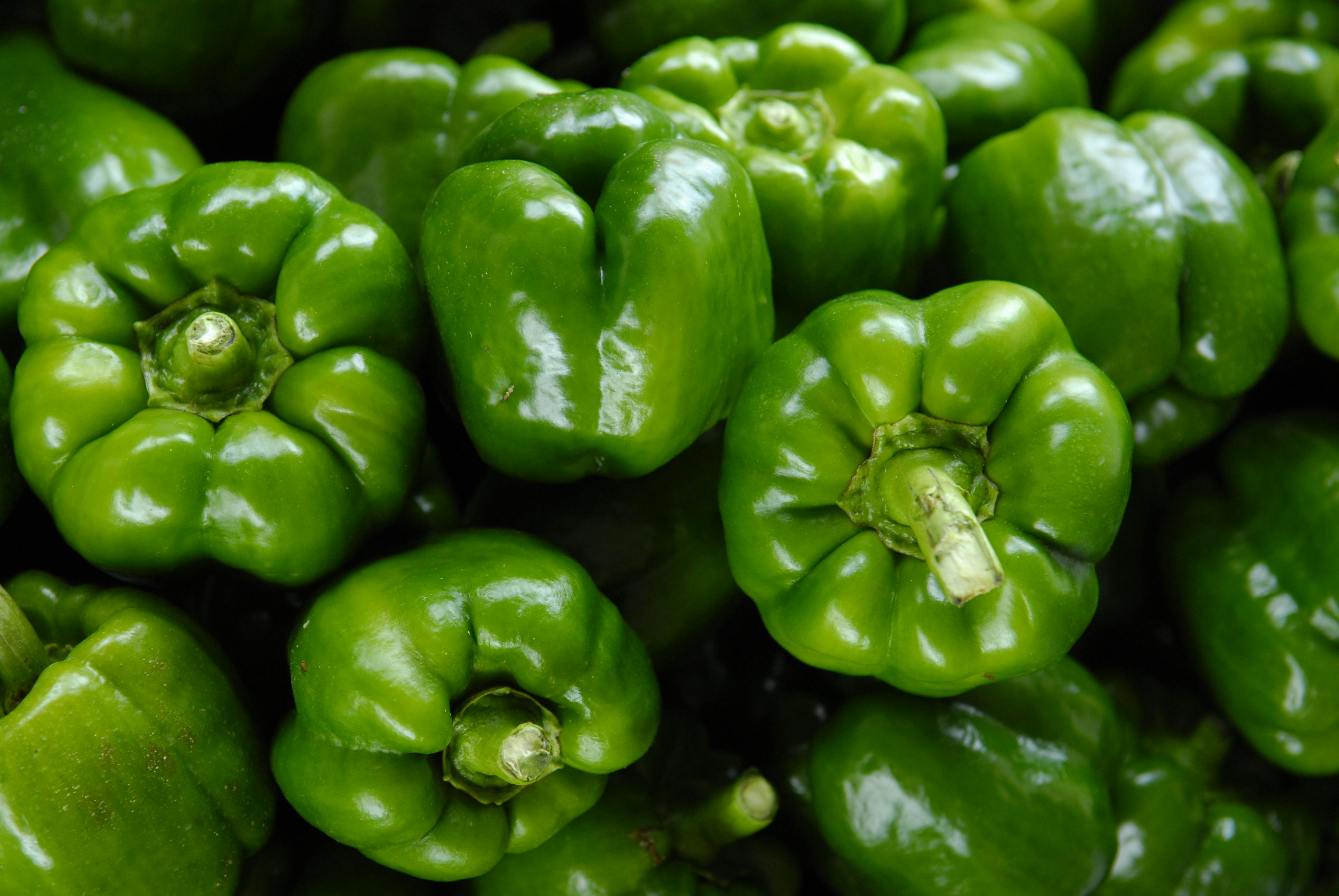
Bell peppers are among the most valuable vegetable crops grown for both fresh markets and food processing. Their bright colors, crisp texture, and high nutritional value make them popular with consumers, restaurants, supermarkets, and exporters. However, producing a good crop is only part of successful pepper farming. Maintaining quality after harvest is equally important.
Poor postharvest handling can lead to bruising, moisture loss, decay, and significant financial losses before the produce reaches consumers. In many farming systems, a considerable portion of harvested vegetables is lost because of improper handling, inadequate storage, and poor transportation.
By adopting good postharvest practices, farmers can maintain the freshness and quality of bell peppers, extend their shelf life, and improve their market value.
Why Proper Postharvest Handling Matters
Bell peppers remain living plant tissues even after they are harvested. They continue to lose moisture and undergo natural changes that gradually reduce their quality.
Proper postharvest handling slows these processes by minimizing physical damage and maintaining suitable storage conditions. Fresh, firm, and attractive peppers are more appealing to buyers and often command higher market prices.
Reducing postharvest losses also allows farmers to earn more from the same harvest while supplying consumers with better-quality produce.
Harvest at the Right Stage of Maturity
Harvesting bell peppers at the correct stage is one of the most important factors affecting quality.
For fresh markets, peppers are commonly harvested when they have reached full size, are firm, and have smooth, glossy skin. Depending on market demand, fruits may be picked while still green or allowed to develop their mature colors, such as red, yellow, or orange.
Harvesting immature fruits can reduce quality, while delaying harvest for too long may increase the risk of damage and shorten shelf life.
Regular field inspections help farmers identify the best time to harvest.
Use Proper Harvesting Techniques
Careful harvesting helps prevent injuries that reduce market quality.
Bell peppers should be harvested using a sharp knife or pruning shears rather than pulling them from the plant. Leaving a short stem attached helps reduce damage to the fruit during handling and transportation.
Harvesting during the cooler hours of the morning or late afternoon is also beneficial because lower temperatures help maintain freshness and reduce moisture loss.
Gentle handling throughout harvesting minimizes bruising and preserves fruit quality.
Clean, Sort, and Grade the Produce
After harvesting, bell peppers should be cleaned carefully to remove soil, dust, and other surface contaminants without causing damage.
The fruits should then be sorted to remove those that are bruised, cracked, diseased, or affected by pests. Separating damaged fruits helps prevent the spread of decay to healthy produce during storage and transportation.
Grading is equally important because buyers often prefer produce that is uniform in size, shape, color, and quality. Well-graded peppers create a more attractive presentation and improve marketing opportunities.
Package Bell Peppers Correctly
Proper packaging protects bell peppers from physical damage during storage and transport.
Containers should be clean, strong, and well ventilated to allow adequate air circulation around the fruits. Overfilling packages should be avoided because excessive pressure can cause bruising and reduce quality.
Packaging materials should also be suitable for the intended market, ensuring the produce arrives in good condition while maintaining an attractive appearance.
Good packaging helps reduce losses and increases customer satisfaction.
Store Under Suitable Conditions
Storage conditions have a major influence on the shelf life of bell peppers.
Freshly harvested peppers should be kept in a cool, clean, and well-ventilated environment. High temperatures accelerate moisture loss and ripening, while excessive humidity or poor ventilation can encourage the development of diseases.
Maintaining appropriate temperature and relative humidity helps preserve firmness, color, and freshness for a longer period.
Even during short-term storage, protecting peppers from direct sunlight and excessive heat is essential.
Transport with Care
Transportation is another stage where significant losses can occur if produce is handled roughly.
Bell peppers should be loaded carefully to prevent crushing and unnecessary movement during transport. Vehicles used for transportation should be clean and, where possible, protect the produce from excessive heat and direct sunlight.
Reducing vibration and avoiding unnecessary delays during transport help maintain fruit quality until it reaches the market.
Careful transportation ensures that consumers receive fresh, high-quality produce.
Prevent Postharvest Diseases
Postharvest diseases often develop when fruits are injured during harvesting or handling.
Maintaining clean harvesting tools, using clean packaging materials, and removing damaged fruits promptly all help reduce the spread of decay. Good hygiene throughout the handling process is one of the most effective ways to minimize postharvest disease.
Farmers should also avoid storing healthy peppers together with damaged or diseased fruits, as infections can spread rapidly under favorable conditions.
Preventive measures are generally more effective than trying to manage diseases after they have developed.
Marketing and Value Addition
Successful postharvest management extends beyond storage and transportation.
Farmers should identify reliable markets before harvest to reduce delays that may affect freshness. Supplying uniform, high-quality produce consistently can help build long-term relationships with buyers and improve market opportunities.
Where appropriate, value addition through activities such as slicing, drying, or processing can increase the economic value of bell peppers and reduce losses when fresh market demand is low.
Good marketing strategies allow farmers to maximize returns from their production.
Conclusion
Effective postharvest handling is essential for maintaining the quality, freshness, and market value of bell peppers. Harvesting at the correct stage of maturity, using careful harvesting techniques, sorting and grading produce, proper packaging, suitable storage, and careful transportation all contribute to reducing losses and extending shelf life.
Every step after harvest influences the final quality of the product that reaches consumers. Farmers who invest in good postharvest management not only reduce waste but also improve customer satisfaction and increase the profitability of their farming enterprises.
By applying these best practices, bell pepper producers can protect the value of their harvest and strengthen the long-term success of their vegetable production businesses.
📩 Subscribe to Agronela Insights for expert content on Aquaculture, Crop Production, Livestock & Poultry, Food Nutrition & Health, and Agribusiness.
🌱 Informing, inspiring, and empowering the agricultural community.