





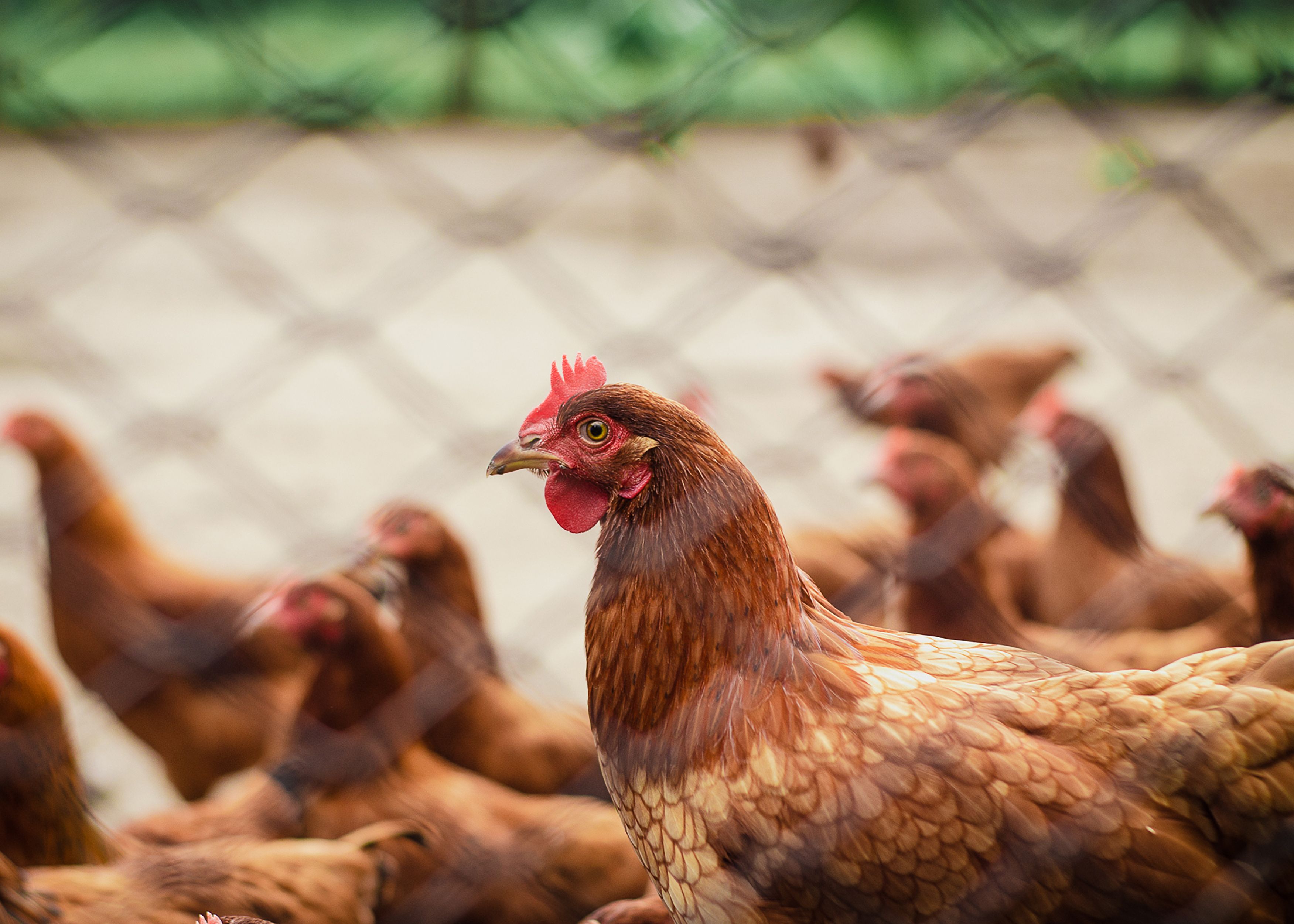
Poultry farming is one of the fastest-growing agricultural enterprises in many parts of the world, including Uganda. It provides farmers with opportunities to generate income, improve household nutrition, and create employment. Whether raising chickens for eggs, meat, or breeding purposes, poultry farming can be a rewarding business when managed properly.
However, successful poultry production involves much more than providing birds with feed and water. Healthy and productive flocks require proper housing, balanced nutrition, good biosecurity, disease prevention, and sound management practices. Farmers who pay attention to these areas are more likely to achieve higher productivity and better financial returns.
As consumer demand for poultry products continues to increase, adopting sustainable farming practices has become essential. Sustainable poultry farming not only improves profitability but also promotes animal welfare, protects the environment, and supports long-term business success.
Start with Healthy Chicks
Every successful poultry enterprise begins with quality birds. Purchasing day-old chicks or growers from reputable hatcheries helps reduce the risk of poor growth, disease, and low productivity.
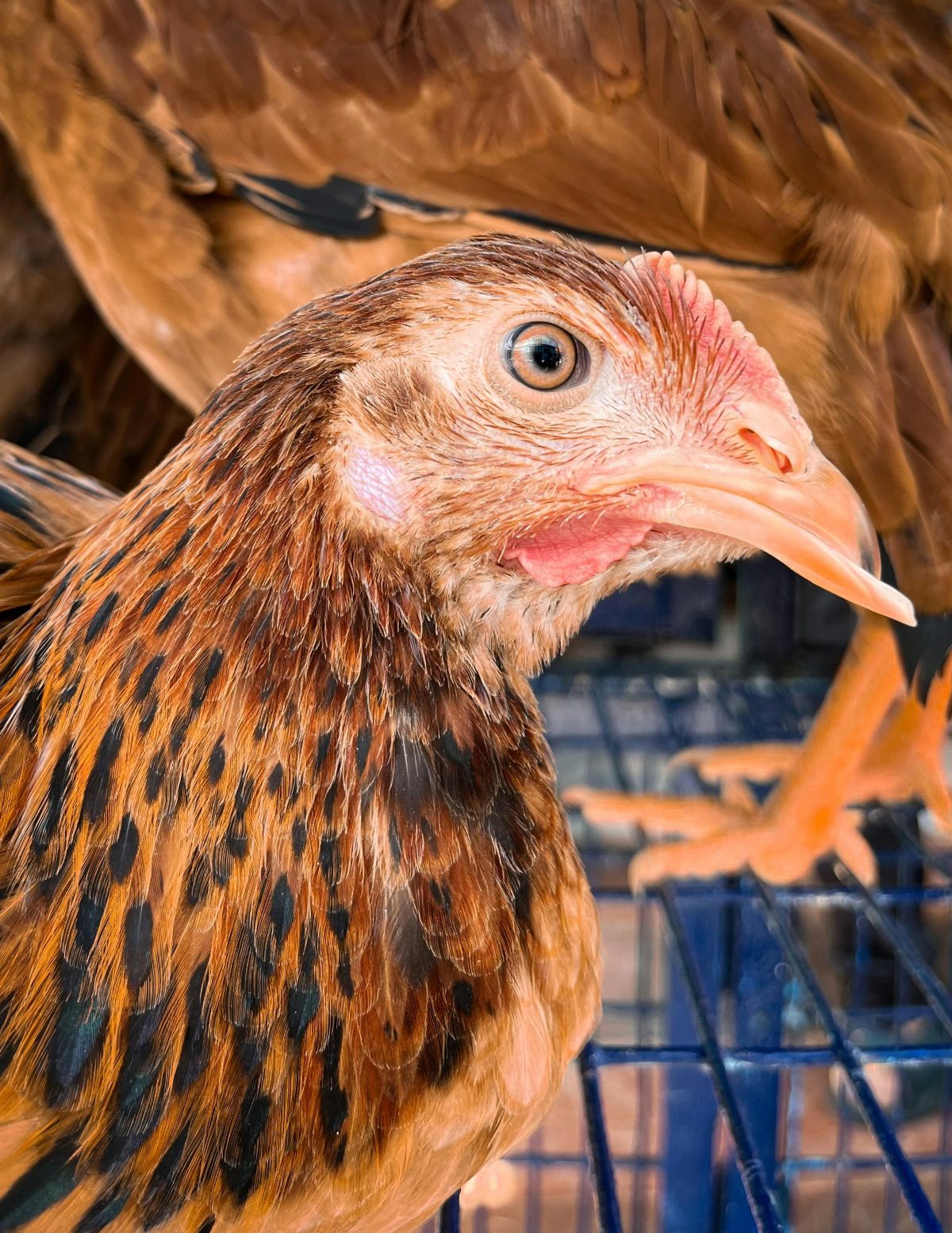
Healthy chicks should be active, alert, and free from visible signs of illness or deformities. They should also have bright eyes, clean feathers, and a strong appetite.
Starting with healthy stock gives farmers a better chance of raising productive birds and reduces losses during the early stages of production.
Provide Proper Housing
Housing plays a critical role in poultry health and performance. A well-designed poultry house protects birds from extreme weather, predators, and disease while providing a comfortable environment for growth.
The house should have good ventilation to allow fresh air to circulate while preventing excessive heat and moisture. Proper lighting is also important, especially for laying hens, as it influences egg production.
Overcrowding should be avoided because it increases stress, encourages the spread of diseases, and limits access to feed and water. Providing enough space allows birds to move freely and express natural behaviors.
Keeping the poultry house clean and dry further reduces disease risks and creates a healthier environment for the flock.
Feed Birds a Balanced Diet
Nutrition is one of the largest expenses in poultry farming, but it is also one of the most important investments.
Birds require balanced diets that provide adequate energy, protein, vitamins, and minerals for growth, egg production, and overall health. Feeding poor-quality or unbalanced diets often leads to slow growth, reduced egg production, and increased susceptibility to diseases.
Different stages of production require different types of feed. Chicks, growers, layers, and broilers all have specific nutritional requirements that should be met to achieve optimal performance.
Farmers should also ensure that birds have continuous access to clean and fresh drinking water, as water is essential for digestion, growth, and egg production.
Prioritize Biosecurity and Disease Prevention
Disease outbreaks remain one of the greatest threats to poultry farming. A single outbreak can result in significant economic losses if not controlled quickly.
Preventing diseases is generally more effective and less expensive than treating them. Farmers should limit unnecessary visitors to poultry houses, disinfect equipment regularly, and isolate new birds before introducing them to the flock.
Vaccination programs should be followed according to veterinary recommendations, and sick birds should be identified and managed promptly to prevent disease spread.
Maintaining good hygiene within and around the poultry house is one of the simplest but most effective ways to protect flock health.
Monitor Bird Health and Performance
Successful poultry farmers spend time observing their birds every day.
Changes in feed intake, water consumption, behavior, growth, or egg production can provide early warning signs of health or management problems. Birds that appear weak, inactive, or isolated from the flock should be examined promptly.
Regular monitoring enables farmers to respond quickly before small problems develop into serious challenges.
Keeping simple records of feed consumption, mortality, vaccinations, egg production, and growth also helps farmers evaluate the performance of their enterprise and make informed management decisions.
Manage Waste Responsibly
Poultry farming produces manure that can become an environmental problem if not managed properly. However, when handled correctly, poultry manure becomes a valuable resource for crop production.
Composting poultry manure before applying it to fields helps improve soil fertility and reduces environmental risks. Proper waste management also minimizes unpleasant odors and reduces the breeding of flies and other pests.
Integrating poultry production with crop farming allows farmers to recycle nutrients efficiently and improve the sustainability of their farming systems.
Plan for the Market
Producing healthy birds is only one part of a successful poultry business. Farmers should also understand their target market before production begins.
Knowing when demand for eggs or chicken meat is highest, understanding customer preferences, and maintaining consistent product quality can improve profitability.
Building relationships with traders, retailers, hotels, restaurants, and local consumers can provide reliable marketing opportunities and reduce the risk of unsold products.
Viewing poultry farming as a business rather than simply a farming activity encourages better planning and long-term success.
Conclusion
Poultry farming offers excellent opportunities for improving household income, food security, and employment. However, sustainable and profitable production depends on good management from the first day of production until the birds are marketed.
By starting with healthy chicks, providing quality housing, feeding balanced diets, maintaining strong biosecurity, monitoring flock health, managing waste responsibly, and planning for the market, farmers can improve productivity and increase profits.
Success in poultry farming is built on consistency, good planning, and attention to detail. Farmers who invest in these best practices are better equipped to raise healthy birds, meet market demands, and build resilient poultry enterprises that remain profitable for years to come.
📩 Subscribe to Agronela Insights for expert content on Aquaculture, Crop Production, Livestock & Poultry, Food Nutrition & Health, and Agribusiness.
🌱 Informing, inspiring, and empowering the agricultural community.



1 Comment
Shafii
July 7, 2026It’s clear roadmap for all with high expectations in poultry farming as a business,,, thanks alot
Could this apply also in farming local breeds of poultry?!?