





Aquaculture in Uganda: Opportunities, Challenges, and Best Practices for Successful Fish Farming
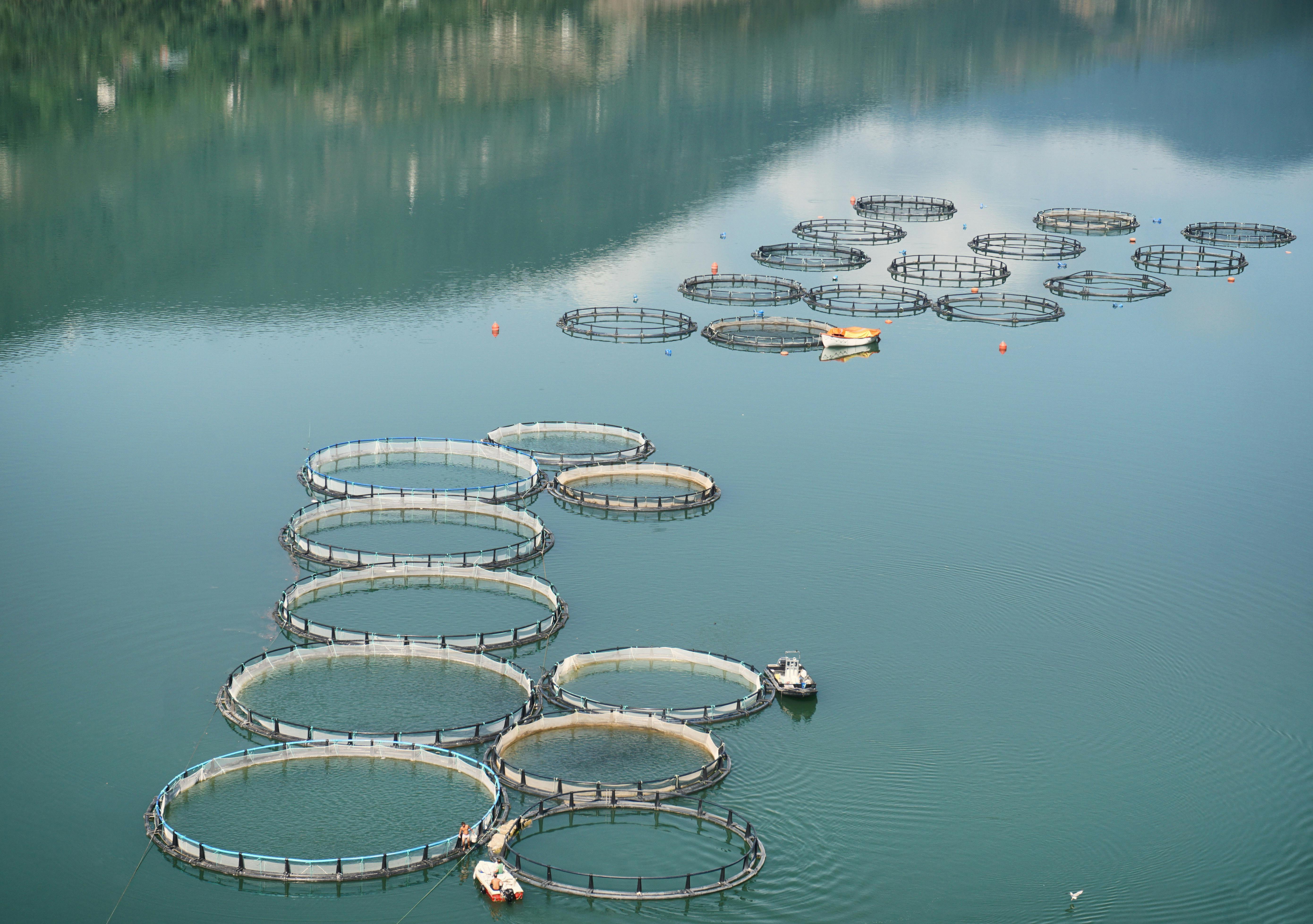
Aquaculture has become one of the fastest-growing agricultural sectors in Uganda. As demand for fish continues to rise and catches from natural water bodies face increasing pressure, fish farming is playing an increasingly important role in food production, employment creation, and income generation.
Uganda is naturally endowed with abundant water resources, including lakes, rivers, wetlands, and reservoirs, making it one of the most suitable countries in Africa for aquaculture development. With proper management, fish farming offers an opportunity for farmers to diversify their enterprises, improve household incomes, and contribute to national food security.
However, like any agricultural venture, successful aquaculture requires knowledge, planning, and effective management. Understanding both the opportunities and challenges within the sector can help farmers make informed decisions and improve their chances of success.
The Growing Importance of Aquaculture in Uganda
Fish has long been an important part of the Ugandan diet, providing millions of people with a valuable source of protein and essential nutrients. Population growth, urbanization, and changing consumer preferences have increased demand for fish products across the country.
At the same time, pressure on natural fisheries has highlighted the need for alternative sources of fish production. Aquaculture helps bridge this gap by enabling farmers to produce fish under controlled conditions rather than relying solely on wild fish stocks.
The sector has grown steadily over recent years, attracting interest from smallholder farmers, commercial producers, youth entrepreneurs, and investors seeking new agricultural opportunities.
Opportunities for Fish Farmers
One of the greatest advantages of aquaculture in Uganda is the availability of suitable environmental conditions. Many areas of the country have favorable temperatures that support fish growth throughout the year. This allows farmers to produce fish continuously without the severe seasonal limitations experienced in some regions of the world.
The market for fish remains strong. Demand exists not only in urban centers such as Kampala, Jinja, Mbarara, and Gulu but also in rural communities where fish is valued as a nutritious food source.
Fish farming also offers flexibility. Farmers can operate small ponds for household income or develop larger commercial enterprises depending on available resources and market opportunities. In addition, fish farming can be integrated with crop and livestock production, creating more efficient and sustainable farming systems.
Popular Fish Species in Uganda
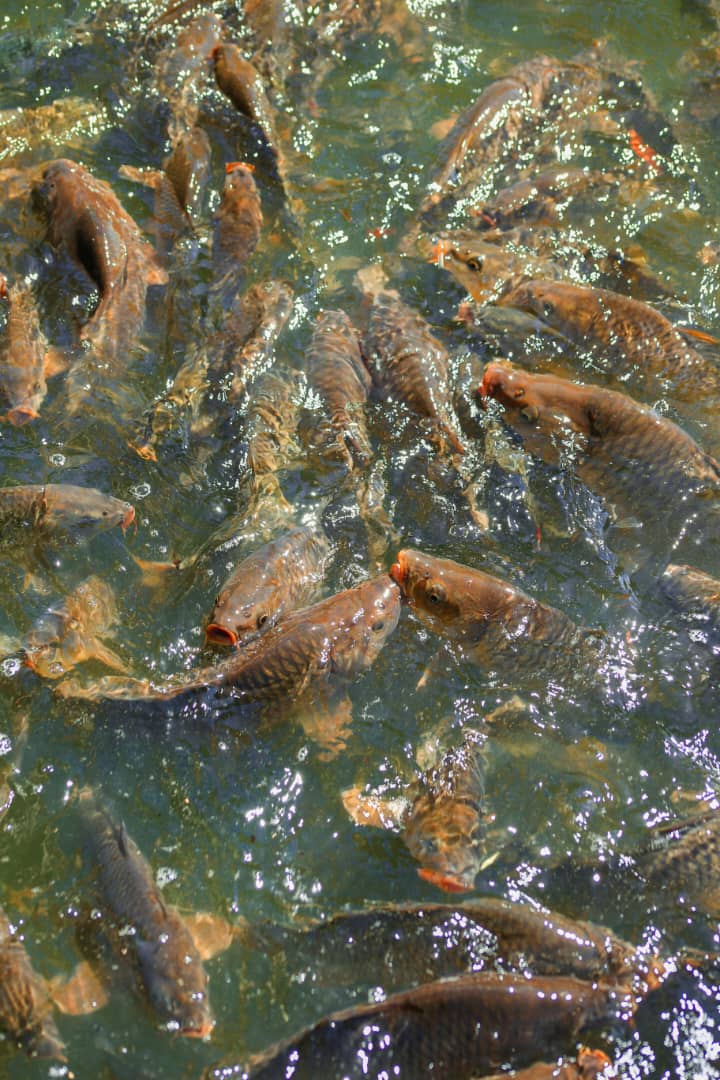
Several fish species are commonly farmed in Uganda, with Nile tilapia and African catfish being the most popular.
Tilapia is widely preferred by consumers because of its taste and market acceptance. It grows well under proper management and is suitable for many production systems.
Catfish is valued for its fast growth, hardiness, and ability to tolerate a wider range of environmental conditions. It also enjoys strong market demand, particularly in urban areas and among fish processors.
The choice of species often depends on market preferences, production objectives, and the farmer’s level of experience.
Common Challenges Facing Fish Farmers
Despite its potential, aquaculture in Uganda faces several challenges that can affect productivity and profitability.
Access to quality fish seed remains a concern in some areas. Poor-quality fingerlings often result in slow growth, uneven production, and lower harvest yields. Farmers therefore need reliable suppliers who can provide healthy and vigorous stock.
Feed costs also represent a major challenge. Feed is often the largest operating expense in fish farming, and poor feeding practices can significantly reduce profits. Rising feed prices have increased the importance of efficient feeding strategies and proper farm management.
Water management is another critical issue. Poor water quality can lead to disease outbreaks, slow growth, and fish mortality. Farmers must therefore pay close attention to maintaining suitable conditions throughout the production cycle.
Best Practices for Successful Fish Farming
Success in aquaculture depends largely on management. Farmers who follow good production practices are generally more likely to achieve healthy fish, higher survival rates, and better profits.
Some key practices include:
- Stocking quality fingerlings from reputable hatcheries.
- Maintaining good water quality.
- Providing appropriate and balanced feed.
- Avoiding overstocking ponds.
- Monitoring fish health regularly.
- Keeping accurate farm records.
These practices may seem simple, but together they form the foundation of a productive fish farming enterprise.
The Importance of Record Keeping
Many farmers underestimate the value of record keeping, yet it is one of the most useful management tools available.
Records help farmers track feed usage, growth rates, mortality, production costs, and sales. This information allows better decision-making and helps identify areas where improvements can be made.
Without records, it becomes difficult to determine whether a farm is operating efficiently or generating profit.
Good record keeping transforms fish farming from a trial-and-error activity into a professionally managed business.
Aquaculture and Food Security
Beyond individual profits, aquaculture contributes significantly to national food security. Fish provides high-quality protein and essential nutrients that support healthy diets.
As Uganda’s population continues to grow, the demand for affordable protein sources is expected to increase. Fish farming can help meet this demand while reducing pressure on natural fisheries.
The expansion of aquaculture therefore benefits not only farmers but also consumers and the broader economy.
The Future of Fish Farming in Uganda
The future of aquaculture in Uganda appears promising. Growing demand for fish, favorable environmental conditions, and increasing interest from farmers and investors create strong opportunities for sector growth.
Advances in fish breeding, feeding technologies, and farm management practices are also helping improve productivity. With continued investment in training, quality inputs, and market development, aquaculture has the potential to become an even more important contributor to Uganda’s agricultural economy.
Farmers who invest in knowledge and adopt modern production practices will be well positioned to benefit from this growth.
Conclusion
Aquaculture offers tremendous opportunities for farmers in Uganda. The country’s favorable climate, abundant water resources, and strong market demand provide a solid foundation for successful fish farming.
However, success requires more than simply constructing a pond and stocking fish. Quality fingerlings, proper feeding, effective water management, record keeping, and good overall farm management are essential for achieving profitable production.
As demand for fish continues to increase, aquaculture is likely to play an increasingly important role in Uganda’s food systems and rural development. For farmers willing to learn and apply best practices, fish farming can be both a sustainable livelihood and a rewarding business opportunity.
📩 Subscribe to Agronela Insights for expert content on Aquaculture, Crop Production, Livestock & Poultry, Food Nutrition & Health, and Agribusiness.
🌱 Informing, inspiring, and empowering the agricultural community.