


Feed is the single largest cost in most fish farming operations, often accounting for more than half of the total production expenses. For this reason, successful fish farming is not simply about feeding fish as much as possible. It is about providing the right feed, in the right quantity, at the right time.
In Uganda, where aquaculture continues to grow as an important source of food and income, proper feeding practices can make the difference between a profitable fish farm and one that struggles to break even. Farmers who understand how fish use feed and how feeding affects growth are better positioned to achieve healthy fish, higher yields, and better returns on investment.
Whether raising Nile tilapia, African catfish, or other species, feeding management should be considered one of the most important aspects of fish farming.
Understanding the Nutritional Needs of Fish
Just like livestock and poultry, fish require a balanced diet to grow and remain healthy. Their feed must provide enough nutrients to support body development, energy needs, and resistance to disease.
Young fish require nutrient-rich diets to support rapid growth, while larger fish need feed that helps them maintain healthy development and efficiently convert feed into body weight. Feeding fish with poor-quality diets often results in slow growth, poor feed utilization, and lower profits.
Farmers should therefore choose feeds that are appropriate for the species and growth stage of the fish being raised.
Choosing Quality Fish Feed
The quality of feed has a direct impact on fish performance.
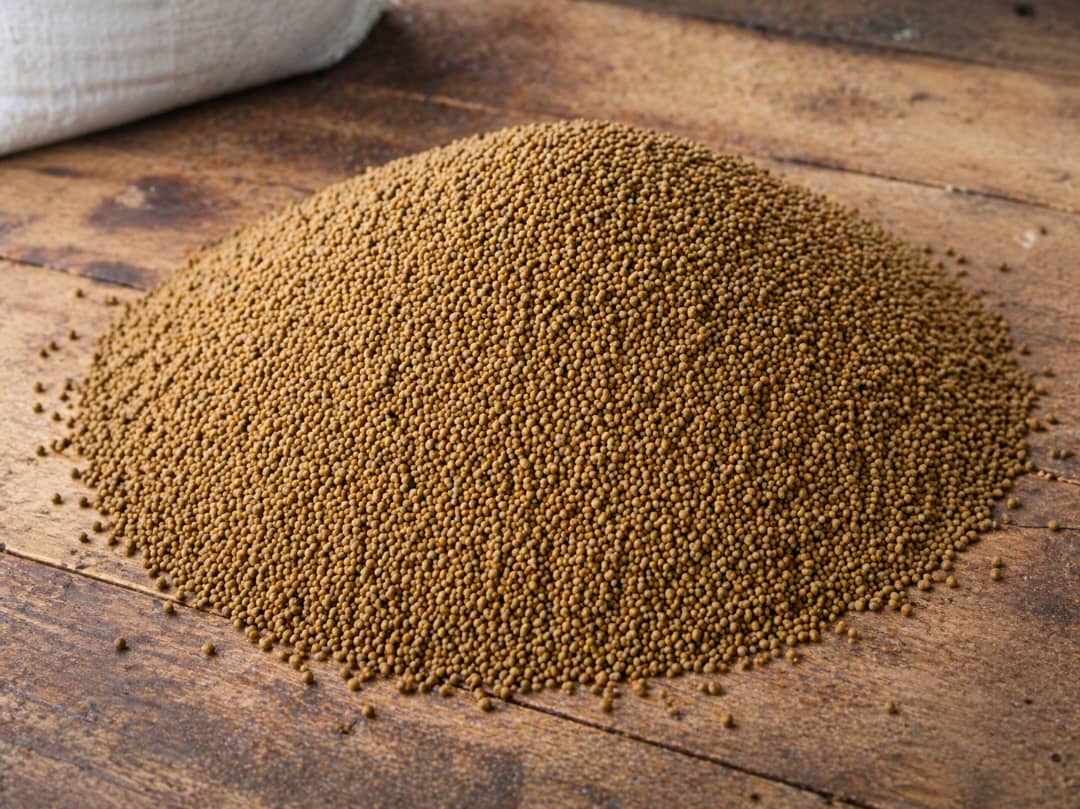
Good fish feed should be fresh, properly manufactured, and capable of providing the nutrients needed for healthy growth. Poor-quality feed may contain inadequate nutrients or ingredients that fish cannot easily utilize.
When purchasing feed, farmers should buy from reputable suppliers and ensure that feed has been stored properly. Feed that has been exposed to moisture or stored for long periods may lose quality and become less effective.
Although quality feed may sometimes appear more expensive, it often delivers better results and can reduce production costs in the long run through improved growth and feed efficiency.
Feed the Right Amount
One of the most common mistakes among fish farmers is overfeeding.
Many beginners assume that giving more feed will automatically result in faster growth. In reality, fish can only consume and utilize a certain amount of feed. Any excess feed usually sinks to the bottom of the pond or tank, where it decomposes and pollutes the water.
Overfeeding increases feed costs, reduces water quality, and can create conditions that encourage disease problems.
At the same time, underfeeding can also be harmful. Fish that do not receive enough feed may grow slowly, compete aggressively for food, and take longer to reach market size.
The goal is to provide enough feed to support healthy growth without creating unnecessary waste.
Maintain a Consistent Feeding Schedule
Fish respond well to routine. Feeding at regular times each day helps fish develop predictable feeding habits and improves feed utilization.
In most farming systems, feeding is done at specific times during the day when fish are most active. Consistency allows farmers to monitor feeding behavior more effectively and quickly identify any changes that may indicate health or water quality problems.
Irregular feeding schedules can create stress and make it more difficult to evaluate fish performance.
Observe Fish During Feeding
Feeding time provides an excellent opportunity to assess the condition of the fish.
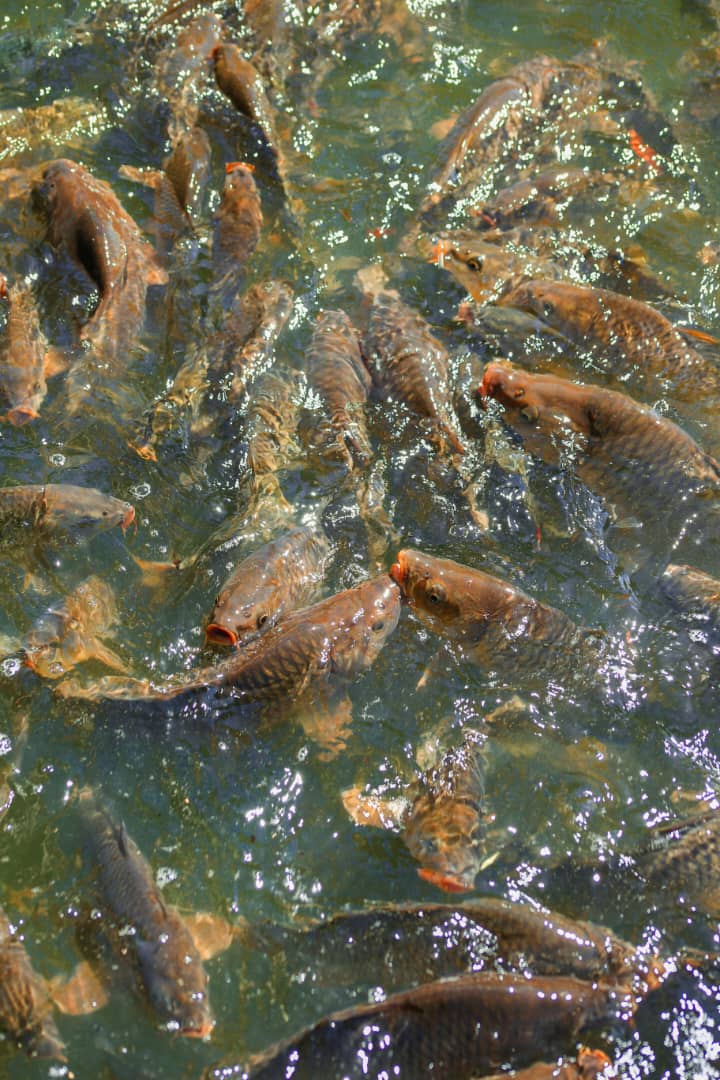
Healthy fish typically respond actively when feed is offered. A sudden reduction in feeding activity may indicate illness, poor water quality, or other management problems.
Farmers should take time to observe how fish react during feeding rather than simply throwing feed into the pond and walking away. Careful observation can help detect issues early before they become serious.
Monitoring fish behavior regularly is one of the simplest yet most valuable management practices in aquaculture.
Protect Water Quality Through Proper Feeding
Feed and water quality are closely connected.
Uneaten feed and excessive waste can reduce oxygen levels and contribute to poor water conditions. When water quality declines, fish become stressed and less efficient at converting feed into growth.
Good feeding practices therefore support not only fish nutrition but also the overall health of the production system. By avoiding excessive feeding and maintaining clean ponds, farmers can create an environment that promotes better growth and survival.
Healthy water and proper feeding work together to support successful fish production.
Record Keeping Improves Feeding Efficiency
Many successful fish farmers keep detailed records of feed usage and fish growth.
These records help farmers determine whether fish are growing as expected and whether feed is being used efficiently. Tracking feed costs also makes it easier to evaluate farm profitability and identify opportunities for improvement.
Without records, farmers may struggle to determine whether their feeding program is producing the desired results.
Good record keeping supports better management decisions and contributes to long-term success.
Conclusion
Proper feeding is one of the most important factors influencing the success of fish farming in Uganda. Quality feed, correct feeding rates, regular feeding schedules, and careful observation all contribute to healthier fish and better production outcomes.
Farmers who manage feeding effectively can improve growth rates, maintain good water quality, reduce unnecessary costs, and increase profitability. While feed represents a major investment, it is also one of the most powerful tools available for improving farm performance.
In aquaculture, success is not measured by how much feed is used, but by how efficiently that feed is converted into healthy, marketable fish.
📩 Subscribe to Agronela Insights and never miss expert agricultural insights, farming innovations, agribusiness opportunities, livestock management tips, crop production guides, and food nutrition updates.
Join our growing community today and stay ahead in the future of agriculture.
🌱 Learn. Innovate. Grow with Agronela Insights.