






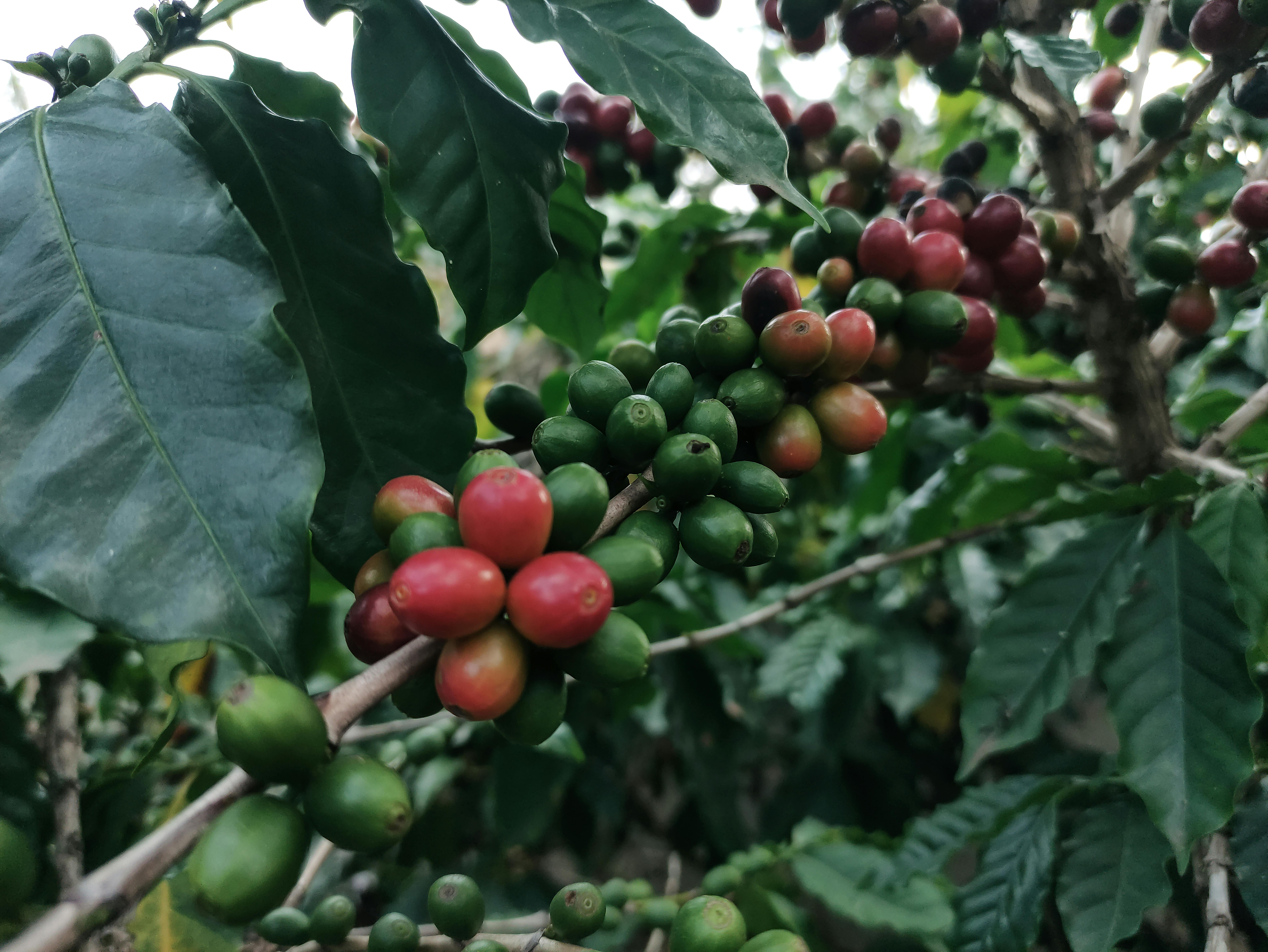
Coffee is one of Uganda’s most important cash crops, supporting the livelihoods of millions of farmers and contributing significantly to the country’s economy. Whether growing Robusta in the central and lowland regions or Arabica in the highland areas, farmers depend on healthy coffee trees to achieve good yields and quality beans.
However, coffee production faces several challenges, with pests and diseases being among the most serious. If not properly managed, they can reduce yields, lower bean quality, and significantly affect farm profitability. In severe cases, farmers may lose a large portion of their harvest.
The good news is that many coffee pests and diseases can be effectively controlled through proper farm management, regular monitoring, and timely intervention. Understanding the common threats facing coffee plants is the first step toward protecting the crop and maintaining productive plantations.
Why Pest and Disease Management Matters
Healthy coffee trees are more productive, produce better-quality beans, and have a longer productive lifespan. When pests and diseases attack coffee plants, they weaken the trees by damaging leaves, stems, roots, berries, or other plant parts.
The effects are often gradual. A farmer may initially notice reduced growth, fewer berries, or declining yields. Over time, the problem can spread across the plantation and become much more difficult and costly to manage.
Regular field inspections and preventive measures are therefore essential for maintaining healthy coffee gardens and reducing production losses.
Coffee Berry Disease
Coffee Berry Disease is one of the most damaging diseases affecting coffee, particularly Arabica coffee grown in high-altitude areas.
The disease attacks developing coffee berries, causing dark lesions that eventually lead to fruit rot and premature berry drop. In severe outbreaks, substantial portions of the crop can be lost before harvest.
Wet and humid conditions often favor the spread of the disease. Farmers can reduce its impact by maintaining proper field sanitation, pruning trees to improve air circulation, and removing infected berries from the plantation.
Regular monitoring is especially important during periods of high rainfall when disease pressure tends to increase.
Coffee Leaf Rust
Coffee Leaf Rust is another important disease that affects coffee production in many coffee-growing regions.
The disease appears as yellow or orange powder-like spots on the underside of leaves. As the infection progresses, affected leaves may fall prematurely, reducing the tree’s ability to produce food through photosynthesis.
Trees weakened by leaf loss often experience reduced growth and lower yields.
Good farm management practices such as proper spacing, balanced nutrition, and timely pruning can help reduce disease severity. Maintaining vigorous and healthy coffee trees improves their ability to withstand disease pressure.
Coffee Wilt Disease
Coffee Wilt Disease is one of the most feared diseases among coffee farmers because infected trees often die.
The disease causes leaves to wilt, dry up, and eventually fall off. As the infection advances, branches die back, and the entire tree may eventually perish.
Because there is no effective cure once a tree becomes severely infected, prevention is extremely important. Farmers should remove and destroy infected trees promptly to reduce the risk of spreading the disease to healthy plants.
Maintaining good farm hygiene is a critical component of disease management.
Black Coffee Twig Borer
The Black Coffee Twig Borer is a small insect that can cause significant damage to coffee trees.
The pest attacks young twigs and branches, creating tunnels inside the plant tissue. Infested branches often wilt, dry out, and die back, reducing the productive capacity of the tree.
Early detection is important because infestations can spread rapidly if left unmanaged.
Regular pruning and removal of infested twigs help reduce pest populations and prevent further damage within the plantation.
Antestia Bugs
Antestia bugs are common insect pests that feed on coffee berries by piercing the fruits and sucking plant juices.
Their feeding damage can affect bean development and reduce coffee quality. Damaged berries may become more susceptible to secondary infections, further affecting production.
Farmers should regularly inspect coffee trees for signs of infestation and take appropriate management measures when necessary.
Maintaining a clean plantation and encouraging good crop health can help reduce pest pressure.
Integrated Pest and Disease Management
Successful coffee farmers understand that pest and disease control is most effective when multiple management strategies are combined.
Key practices include:
- Regular monitoring of coffee trees.
- Timely pruning of excess branches.
- Removal of diseased plant materials.
- Maintaining proper field sanitation.
- Using healthy planting materials.
- Applying recommended control measures when necessary.
These practices work together to reduce pest and disease pressure while promoting healthier coffee trees.
The Importance of Good Farm Management
Many pest and disease problems become severe when coffee plantations are poorly managed.
Overgrown trees, excessive shade, poor nutrition, and inadequate sanitation often create favorable conditions for pests and diseases to thrive. In contrast, well-managed plantations tend to experience fewer serious outbreaks.
Simple practices such as pruning, weeding, mulching, and maintaining proper plant spacing can significantly improve coffee health and productivity.
Preventive management is usually more effective and less costly than attempting to control widespread infestations after they occur.
Conclusion
Coffee farming remains a valuable enterprise for many Ugandan farmers, but achieving consistent productivity requires effective pest and disease management. Coffee Berry Disease, Coffee Leaf Rust, Coffee Wilt Disease, Black Coffee Twig Borer, and Antestia bugs are among the most important threats that farmers should monitor closely.
By regularly inspecting plantations, maintaining good farm hygiene, pruning appropriately, and responding quickly to emerging problems, farmers can protect their coffee trees and reduce production losses.
Healthy coffee plantations not only produce higher yields but also deliver better-quality beans that can command stronger market prices. For coffee farmers, investing in pest and disease prevention is an investment in long-term productivity and profitability.
📩 Subscribe to Agronela Insights for expert content on Aquaculture, Crop Production, Livestock & Poultry, Food Nutrition & Health, and Agribusiness.
🌱 Informing, inspiring, and empowering the agricultural community.