


Aquaculture has become one of the fastest-growing agricultural sectors in Uganda, and cage aquaculture is playing an increasingly important role in meeting the country’s growing demand for fish. As catches from natural fisheries continue to face pressure, cage farming offers an innovative way to increase fish production while making better use of Uganda’s abundant lakes and reservoirs.
Today, cage aquaculture is practiced on major water bodies such as Lake Victoria, Lake Albert, and Lake Kyoga, where both small-scale entrepreneurs and commercial investors are contributing to fish production and creating employment opportunities. When properly managed, cage farming can produce high-quality fish, improve food security, and generate attractive financial returns.
Like any farming enterprise, however, success depends on careful planning, proper management, and responsible use of natural resources. Understanding the principles of cage aquaculture is essential for anyone interested in investing in this rapidly growing sector.
What Is Cage Aquaculture?
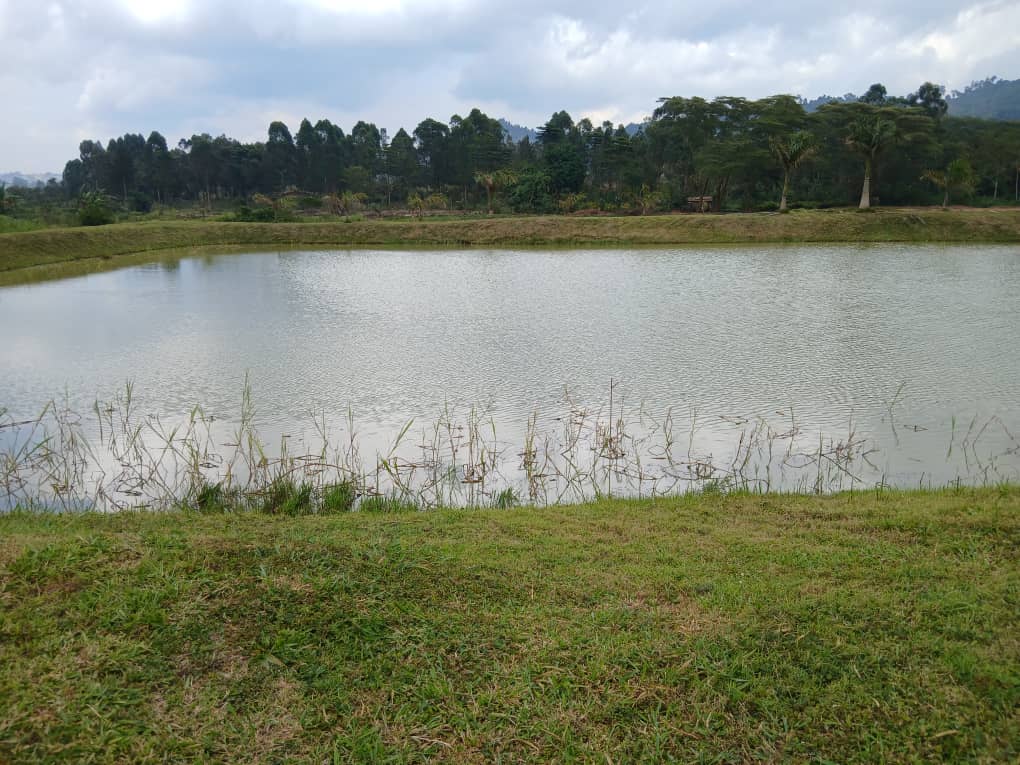
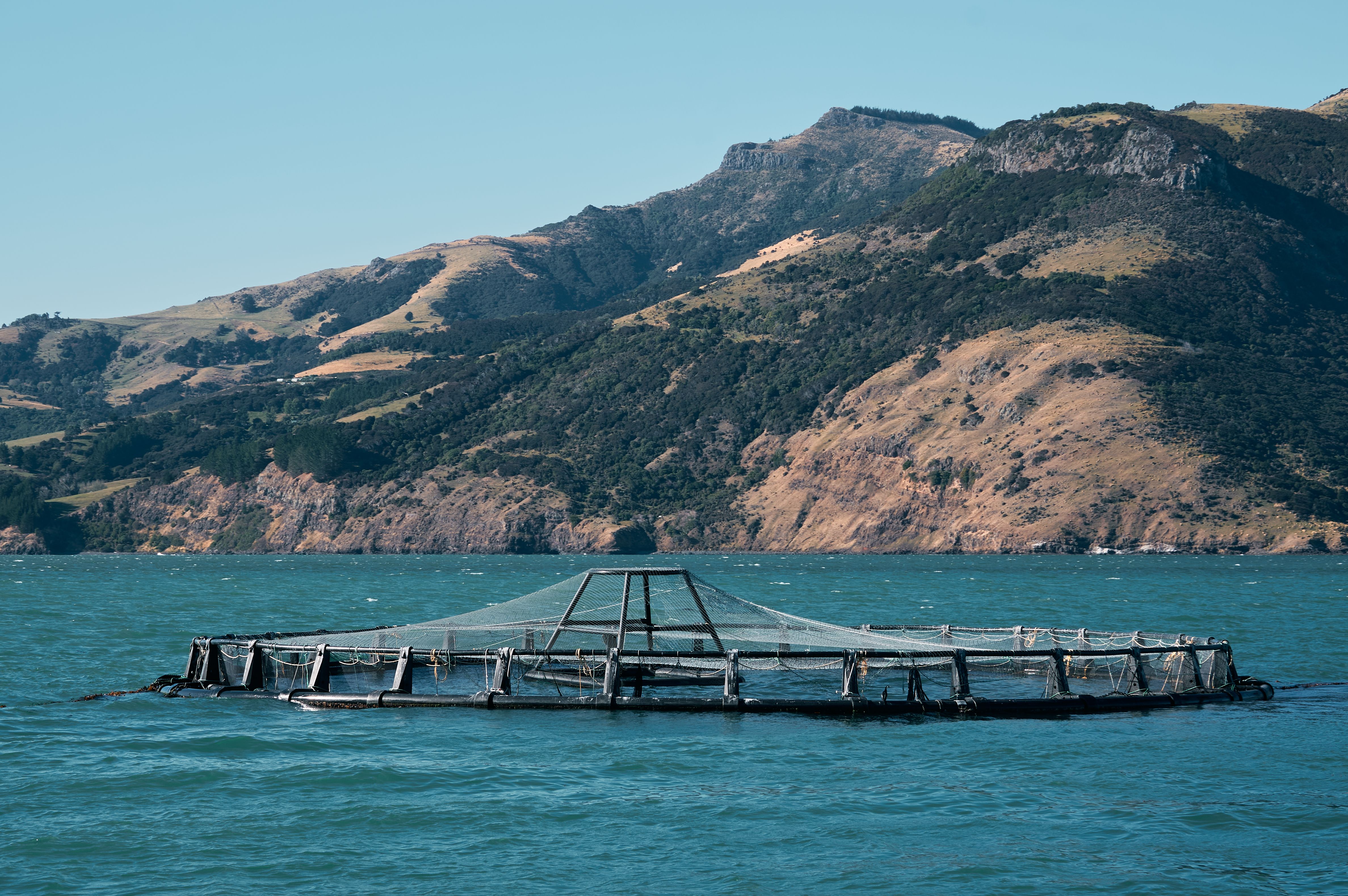
Cage aquaculture is a fish production system in which fish are raised inside floating enclosures installed in natural water bodies such as lakes, reservoirs, and large rivers. The cages are designed to allow free movement of water while safely containing the fish throughout the production cycle.
Unlike traditional earthen ponds, cage systems rely on the natural water body to provide continuous water exchange. This helps maintain good water quality while reducing the need for expensive land development and water pumping systems.
Because of its efficiency and scalability, cage aquaculture has become one of the most promising fish farming technologies in Uganda and many other countries.
Advantages of Cage Aquaculture
One of the greatest advantages of cage farming is that it makes productive use of existing water resources without requiring large areas of land. Farmers can expand production by increasing the number or size of cages rather than constructing additional ponds.
The constant flow of fresh water through the cages provides fish with a stable environment that supports healthy growth when stocking densities are properly managed. Cage systems also make it easier to observe fish, monitor feeding, and harvest mature fish.
For commercial producers, cage farming can support higher production levels while using space efficiently. This has made the technology attractive to investors seeking to increase fish production in response to growing market demand.
Selecting a Suitable Site
Choosing the right location is one of the most important decisions in cage aquaculture.
An ideal site should have clean, unpolluted water, adequate depth throughout the year, and sufficient water movement to ensure continuous circulation. Areas with excessive waves, strong currents, or heavy boat traffic should generally be avoided because they may damage cages or stress the fish.
Farmers should also consider accessibility, security, and proximity to markets when selecting a site. A well-chosen location not only supports fish health but also reduces operational costs and simplifies daily management.
Careful site selection lays the foundation for a productive and sustainable cage farming operation.
Cage Design and Construction
The effectiveness of a cage farming system depends largely on the quality of its construction.
Cages should be strong enough to withstand changing weather conditions while providing adequate space for fish to swim freely. Durable materials, secure netting, and reliable flotation systems help ensure that cages remain safe and functional throughout the production cycle.
Regular inspection and maintenance are equally important. Damaged nets or broken structures can lead to fish escapes, increased maintenance costs, and reduced profitability.
Well-designed cages improve production efficiency while protecting both fish and the surrounding aquatic environment.
Suitable Fish Species for Cage Culture
Not every fish species performs well in cage systems. In Uganda, Nile tilapia and African catfish are the two species most commonly cultured because they adapt well to local environmental conditions and enjoy strong market demand.
Tilapia is especially popular due to its rapid growth, consumer preference, and excellent market value. Catfish is valued for its hardiness, fast growth, and ability to thrive under a wider range of conditions.
Choosing healthy fingerlings from reputable hatcheries is essential, as the quality of stocking material has a major influence on growth, survival, and overall production.
Feeding and Water Quality Management
Feed represents the largest operating cost in cage aquaculture, making efficient feeding essential for profitability.
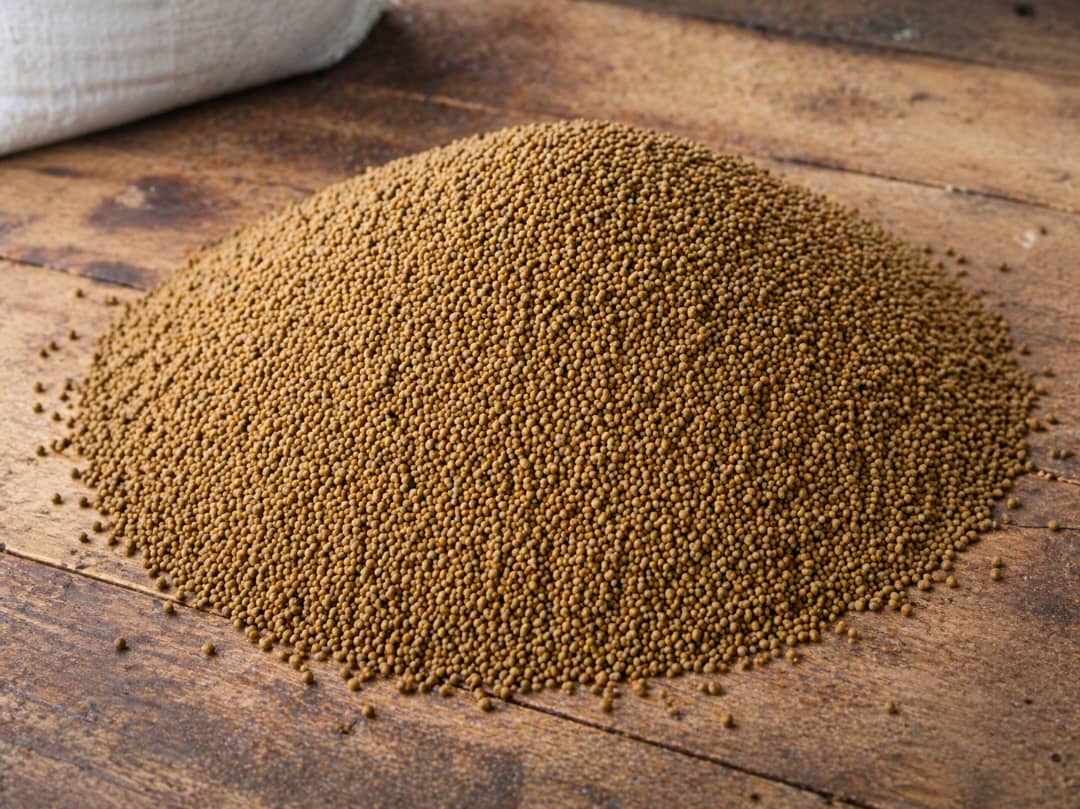
Fish should receive balanced, high-quality feed that matches their size and nutritional requirements. Overfeeding should be avoided because uneaten feed increases production costs and can negatively affect the surrounding aquatic environment.
Water quality is equally important. Although natural water continuously flows through cages, farmers should regularly observe fish behaviour and monitor changes in water conditions. Poor water quality can reduce growth, increase stress, and make fish more susceptible to disease.
Successful cage farmers understand that proper feeding and good water management work together to achieve healthy fish and efficient production.
Fish Health and Disease Prevention
Preventing disease is far easier than treating an outbreak after it occurs.
Healthy fingerlings, appropriate stocking densities, quality feed, and regular monitoring all contribute to maintaining healthy fish populations. Farmers should inspect cages frequently for unusual fish behaviour, poor feeding activity, or signs of illness.
Maintaining clean equipment and promptly removing dead fish also helps reduce the risk of disease transmission.
Good management practices not only improve fish survival but also protect the long-term productivity of the farming operation.
Harvesting and Marketing
Harvesting should be carefully planned to ensure fish reach the desired market size while maintaining high quality.
Fish should be handled gently during harvesting to minimize stress and physical damage. After harvest, proper handling, storage, and transportation help preserve freshness and increase market value.
Before stocking fish, farmers should already have a clear marketing strategy. Establishing relationships with fish processors, traders, supermarkets, hotels, and restaurants can help ensure reliable markets and better prices.
Successful cage farming depends not only on producing fish but also on selling them efficiently.
Challenges Facing Cage Aquaculture
Despite its many advantages, cage aquaculture also presents several challenges.
High initial investment costs, expensive fish feeds, fluctuating market prices, theft, storms, and environmental changes can all affect profitability. Farmers must also comply with regulations governing the use of public water bodies and ensure that their operations do not negatively affect the environment.
These challenges highlight the importance of proper planning, sound financial management, and continuous learning.
With the right knowledge and responsible management, many of these risks can be minimized.
Conclusion
Cage aquaculture is transforming fish production in Uganda by making efficient use of the country’s abundant water resources while supporting food security, employment, and economic growth. As demand for fish continues to increase, cage farming offers farmers and investors an opportunity to build productive and profitable aquaculture enterprises.
However, success requires more than simply placing cages in a lake. Careful site selection, quality cage construction, healthy fingerlings, proper feeding, effective water quality management, disease prevention, and strong marketing strategies all contribute to sustainable production.
When these best practices are followed, cage aquaculture can become a highly productive farming system that benefits farmers, consumers, and Uganda’s growing blue economy for many years to come.
📩 Subscribe to Agronela Insights for expert content on Aquaculture, Crop Production, Livestock & Poultry, Food Nutrition & Health, and Agribusiness.
🌱 Informing, inspiring, and empowering the agricultural community.